
Last updated October 16, 2026
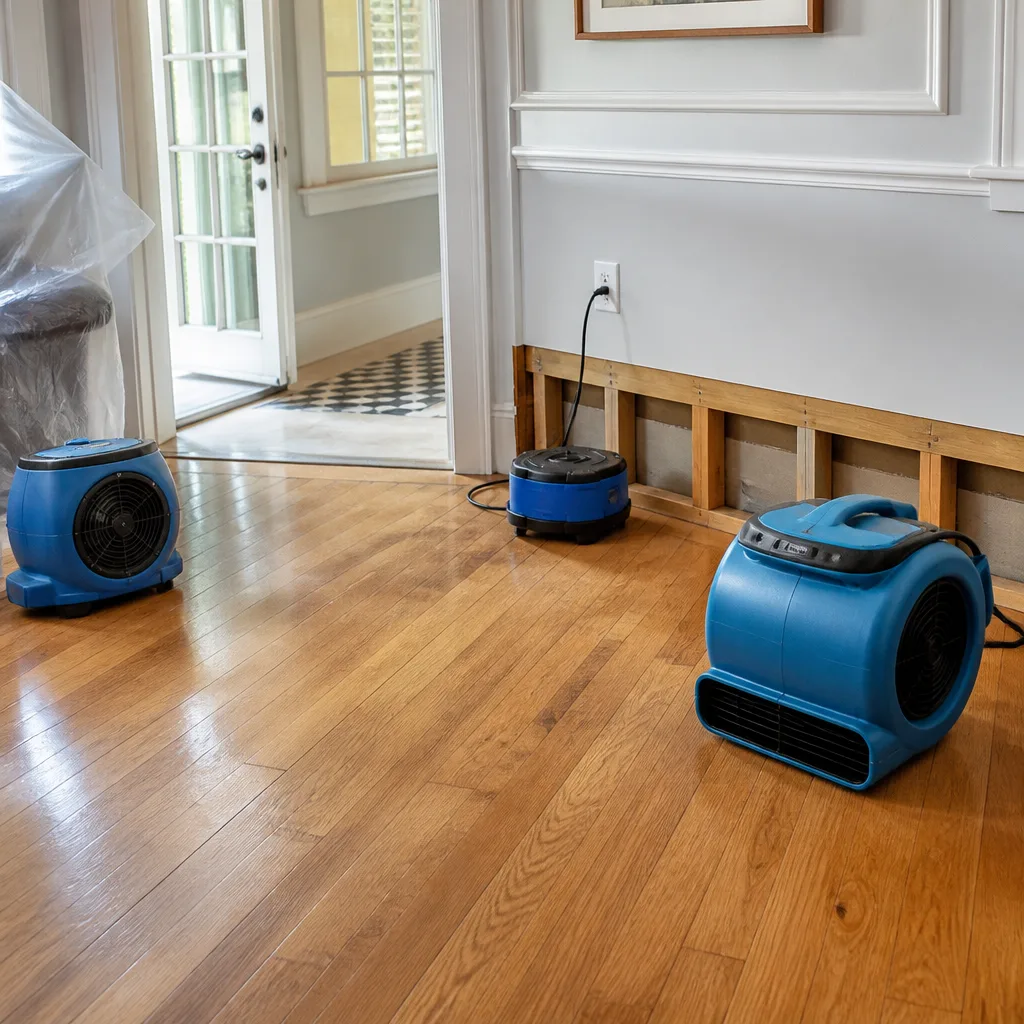 Water damage drying
 Fire & smoke cleanup
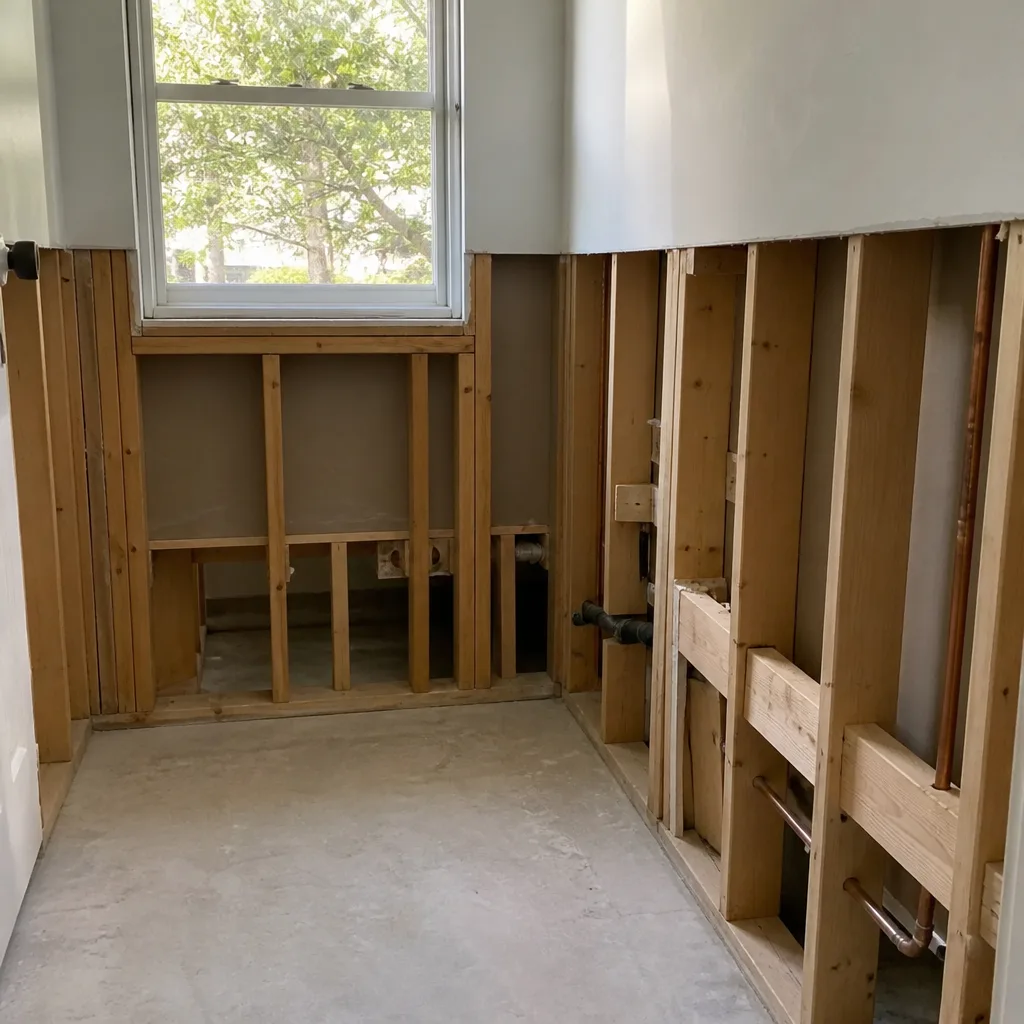 Mold remediation
 Storm response
 Sewage cleanup
 Reconstruction
Free visual inspection and a written scope of work before any mitigation begins - photos, moisture readings, and drying logs go in your claim file
The scope we write is the scope we bill. Anything new gets shown to you, in writing, before we touch it.
Get your free estimateDamage Restoration Permits, Codes & Inspections in TX: What You Need to Know
Here’s what most Dallas homeowners don’t realize until it’s too late: the mold remediation contractor you hire to remove a bathroom leak problem might be operating illegally under Texas law, and you won’t find out until a buyer’s inspector pulls the permit history during your home sale. Texas has some of the most specific mold remediation rules in the country, and the City of Dallas adds its own layer of permit requirements for structural and electrical work. This guide walks you through exactly which restoration jobs need permits, which need licensed professionals, and who is legally responsible for pulling the paperwork, or you can explore more guides & resources on protecting your home. If you own a home in Dallas, Plano, Frisco, or anywhere in Dallas County, this is the playbook you need before water touches your drywall.
Quick Answer
In Texas, water damage restoration itself doesn’t require a state permit, but any structural repair (drywall replacement, framing, electrical, HVAC duct replacement) typically requires a City of Dallas building permit. Mold remediation over 25 contiguous square feet requires both a TDLR-licensed mold assessor and a separate TDLR-licensed mold remediator who cannot be the same person or company. The property owner is ultimately responsible for ensuring permits are pulled, even if a contractor says they’ll handle it, as detailed in our How to Hire a Damage Restoration Contractor in Dallas: A Step-by-Step Guide.
Restoration work we handle
Table of Contents
- The Texas Mold Rules: What the 25-Square-Foot Threshold Actually Means
- When Dallas Requires a Building Permit for Restoration Work
- How Unpermitted Restoration Work Haunts a Home Sale
- The Mold Clearance Document: What It Says and Why You Need It
- Dallas vs. Plano vs. Frisco: Permit Differences That Catch Homeowners Off Guard
- Who Is Legally Responsible for Pulling the Permit?
- Will Insurance Cover Permit Costs and Required Inspections?
- How to Verify a Contractor’s License and Permit Before Work Starts
The Texas Mold Rules: What the 25-Square-Foot Threshold Actually Means
Texas is one of only a handful of states with a dedicated mold licensing program, and it’s run by the Texas Department of Licensing and Regulation (TDLR). The rule that matters most to Dallas homeowners: if mold remediation disturbs more than 25 contiguous square feet of visible mold, the job legally requires a licensed mold remediator from one company and a licensed mold assessment consultant from a different company. They cannot be the same person, the same company, or companies with shared ownership. This separation-of-powers rule exists to prevent the conflict of interest where someone who gets paid to remove mold also gets to declare the job done.
Here’s the practical breakdown of how Texas classifies mold work:
- Under 25 contiguous square feet: No TDLR license is required. A homeowner or general contractor can handle this. The catch is that water damage often hides more mold behind walls than is visible on the surface. That “small patch” behind the bathroom vanity is frequently the tip of a much larger colony inside the wall cavity.
- 25 to 99 contiguous square feet: A licensed mold remediator must perform the removal. A licensed mold assessor must inspect the property before and after, but the assessor is not required to write a full clearance report unless the job exceeds 99 square feet. Many Dallas companies treat this tier casually. That’s a legal exposure for you as the homeowner.
- 100+ contiguous square feet: The strictest tier. You need a licensed remediator for the removal, a licensed assessor for pre- and post-remediation inspection, and a written clearance document from the assessor at the end. This document is your proof the job was done to Texas standards. File it with your home records.
We’ve seen Dallas homes in neighborhoods like Lake Highlands and Casa View where a single company advertised “mold removal and testing” as a package deal. Under TDLR rules, that’s a red flag. One entity cannot legally provide both the removal and the final clearance on a regulated job. If you’re calling around for mold remediation in Dallas, ask the company directly: “Will you be providing the final clearance, or will a separate assessor?” The answer tells you a lot about whether they respect Texas law.
Verification takes two minutes on TDLR’s website. Every licensed mold professional has a public license number you can search. Ask for the remediator’s license number and the assessor’s license number before you sign anything. If a contractor hedges, that’s your answer. In our experience as a Dallas restoration company since 2005, the legitimate operators volunteer their license numbers because they know an informed homeowner is a good customer.
When Dallas Requires a Building Permit for Restoration Work
The City of Dallas treats restoration work differently depending on what got wet and what needs to come out. Water extraction, drying, and dehumidification – the emergency mitigation work – doesn’t require a building permit because nothing is being structurally altered. The permit question kicks in when you start replacing building materials. Here’s where Dallas draws the line:
- Drywall replacement: Any structural drywall replacement (walls, ceilings) requires a Dallas building permit. Cosmetic patch jobs under a certain scope may not, but if you’re cutting out wet drywall and hanging new sheets, Dallas Development Services wants a permit on file.
- Electrical that got wet: If water reached outlets, switches, wiring, or the panel, any electrical repair or replacement requires a permit and must be done by a licensed electrician. Wet electrical components are a fire risk even after they dry. Dallas inspections on electrical work are non-negotiable.
- HVAC duct replacement: If floodwater or sewage entered your ducts, cleaning may suffice for surface contamination, but replacement of duct runs requires a mechanical permit. This matters more in Dallas than people expect because our summer humidity means ducts that stay damp breed mold quickly.
- Structural framing: If studs, joists, or subfloor have to be replaced due to rot or warping, that’s a structural repair and definitely requires a permit. No gray area here.
- Roof decking or trusses: Storm damage that compromises the roof structure requires a permit. A cosmetic shingle replacement might not, but if the decking is soft or the trusses are compromised, you’re in permit territory.
One subtle issue we run into regularly in Dallas: a company does the water extraction, hands you a bill, and says “you’re dry.” Then a different company or handyman comes in to replace drywall without permits. Six months later, there’s a musty smell, and you can’t prove the structure was properly dried or that the rebuild was inspected. When the work is permitted, the City of Dallas sends an inspector who verifies the repair meets code. That inspection record is worth something real when you sell.
How Unpermitted Restoration Work Haunts a Home Sale
Here’s the scenario we hear about most often from Dallas real estate agents. A homeowner had a pipe burst in 2022. A restoration company did the mitigation, a contractor replaced drywall and maybe some electrical wiring, and nobody pulled a permit. The homeowner didn’t ask. The contractor didn’t mention it. Fast forward to 2026: the house goes under contract, the buyer’s inspector pulls the city permit history, sees no record of the work, and now there’s a problem. The buyer wants documentation proving the work was done safely. The seller can’t provide it. The deal stalls, the price gets renegotiated, or the buyer walks.
Unpermitted work doesn’t make a home unsellable, but it does three things:
- It shifts negotiation power to the buyer. Once unpermitted work is flagged, the seller is on the defensive. Buyers routinely demand price reductions of $5,000 to $15,000 to cover the perceived risk of hidden defects.
- It can void your hazard insurance. Many policies exclude damage that results from unpermitted work. If the unpermitted electrical repair causes a fire, your insurer may deny the claim.
- It triggers retroactive permitting. Getting a permit after the fact in Dallas means opening walls for inspection, paying double the usual fee (Dallas charges a penalty for after-the-fact permits), and hoping the work actually meets code. If it doesn’t, you’re paying to redo it.
The retroactive permit process in Dallas typically costs two to three times the original permit fee, requires a detailed scope of work from a licensed contractor, and often involves destructive inspection – cutting inspection holes in finished walls. We’ve seen this cost Dallas homeowners $3,000 to $12,000 before any actual repair work gets done. The cheap unpermitted fix from three years ago becomes the expensive problem at sale time.
The Mold Clearance Document: What It Says and Why You Need It
When a TDLR-regulated mold remediation job is complete, the licensed mold assessor must produce a written clearance document. This isn’t a casual sign-off. It’s a specific report that includes:
- The property address and the date of the assessment
- The assessor’s name and TDLR license number
- A description of the remediation scope that was completed
- Visual inspection findings confirming no visible mold remains in the treated area
- Moisture readings showing the affected materials have returned to normal dry levels
- Any indoor air sampling results, if samples were collected as part of the final assessment
- A statement that the property meets the conditions for re-occupancy
Under Texas law, the assessor gives this document to the property owner, and the remediator keeps a copy in the job file for a minimum of three years. Here’s what we tell every homeowner we work with in Dallas: scan it, email it to yourself, and store the physical copy with your closing documents or insurance paperwork. This document is the single best piece of evidence you have if a future buyer asks whether mold work was done properly. It’s the difference between a smooth sale and a contentious one.
Dallas vs. Plano vs. Frisco: Permit Differences That Catch Homeowners Off Guard
The Dallas-Fort Worth metroplex is a patchwork of municipal building codes, and what’s true in Dallas proper isn’t necessarily true in Plano or Frisco or unincorporated Dallas County. If your home is on the border of two jurisdictions, don’t assume the contractor knows which one governs you. We’ve done restoration work on streets where houses on one side fall under Dallas and houses on the other side are in Richardson.
Here’s a practical comparison of how the major jurisdictions in our service area handle restoration permits:
- City of Dallas: Requires building permits for structural drywall replacement, electrical repair, and HVAC duct replacement. Dallas Development Services operates through a phased inspection system. Plumbing permits are handled through a separate trade permit process.
- Plano: Similar thresholds to Dallas, but Plano’s permit office is known for moving faster on residential restoration projects. Plano also requires a permit for any water heater replacement that accompanies storm flooding repairs, which surprises homeowners.
- Frisco: Frisco is stricter on HVAC work than most surrounding cities. If water damaged your furnace or air handler, Frisco requires a mechanical permit and a post-installation inspection before the system is cleared for use. Some Frisco HOAs also require written notice of restoration work that alters exterior appearance, even temporarily.
- Unincorporated Dallas County: No county-level building permitting for restoration work. You still need to follow TDLR rules for mold, and state electrical or plumbing licensing still applies, but there’s no municipal permit office to pull from. This makes it even more important to hire a contractor who documents the work thoroughly, because there’s no local inspection to fall back on.
The bottom line: ask your contractor which jurisdiction issued their permit and what the permit number is. Any legitimate Dallas-area restoration company can answer that in 10 seconds. If they can’t, they haven’t pulled a permit.
Who Is Legally Responsible for Pulling the Permit?
This is the question that causes the most arguments between homeowners and contractors, and the answer under Texas law is clear: the property owner is legally responsible for ensuring required permits are obtained. Contractors typically pull permits as a service, and most professional restoration companies in Dallas handle this as part of the job. But if the contractor doesn’t pull the permit and the city finds out, the citation and the financial liability fall on you, the homeowner. Signing a contract that says “contractor is responsible for all permits” shifts enforcement pressure, but the legal default is that the owner is the accountable party.
Here’s how to protect yourself in four steps:
- Ask for the permit number before work starts. A legitimate contractor pulls the permit at the beginning of the job, not after. Ask to see the permit application confirmation. In Dallas, you can verify a permit online through Dallas Development Services’ permit lookup portal.
- Get the permit requirement in writing. Your contract should state which permits are required for the specific work being performed and who is responsible for pulling them. If the contractor says no permit is needed, get that in writing too, with an explanation.
- Verify the inspection sign-off. After the work is done, the city inspector should sign off on the permit. Request a copy of the final inspection record. Keep it in your home file.
- For mold work, verify both licenses. Check the remediator’s TDLR license and the assessor’s TDLR license before work starts. Confirm they are different companies. This is a 5-minute check that avoids months of legal exposure.
We understand this feels like homework at a time when you’re already dealing with water in your living room. But the Dallas homeowners who spend the most money on restoration are the ones who skipped the homework. An hour of permit verification up front is worth thousands of dollars on the back end.
Will Insurance Cover Permit Costs and Required Inspections?
Short answer: usually yes, but only if the permit is for work that’s part of a covered insurance claim. When your homeowner’s policy approves a water damage or storm damage claim, the permitted repair work falls under the “reasonable and necessary costs” of restoring your home. That includes permit fees and required inspections. Here’s what you need to know about how Dallas insurers typically handle this:
Most standard Texas homeowners policies treat permit fees as a covered expense when they’re required for repairs that are themselves covered. The permit is part of restoring your home to its pre-loss condition, which is what your policy promises. But there are two nuances. First, if the work exceeds your policy’s coverage limits, any permit costs beyond that dollar ceiling are yours. Second, if the city requires a code upgrade that goes beyond restoring what was there (for example, Dallas requires AFCI outlets in certain circumstances when electrical work is performed, even if your pre-loss wiring didn’t have them), some policies cover that under “ordinance or law” coverage, and some don’t. Check whether your policy includes ordinance or law coverage. If it doesn’t and your restoration triggers a code upgrade, that cost is out of pocket.
This is where photo documentation matters. When you file a claim for water damage restoration in Dallas, document exactly what was damaged, what the permit covers, and what the inspection found. Insurers move faster when the paperwork trail is clear. A restoration company that provides photo-documented assessments and a written scope before work starts makes the permit and inspection process dramatically simpler for your adjuster.
How to Verify a Contractor’s License and Permit Before Work Starts
Nothing in this guide matters if the contractor standing in your kitchen isn’t who they say they are. Fortunately, verification in Texas is straightforward and fast. Here’s the process we recommend to every Dallas homeowner, and it mirrors the standards we’ve built into our own Marsh Water Damage Dallas operation since 2005:
- Get the full company name and physical address. A P.O. box is a yellow flag. Legitimate restoration contractors in Dallas have a physical shop where you can reach them.
- Ask for the TDLR license numbers. For mold work over 25 contiguous square feet, get both the remediator’s license number and the assessor’s license number. Verify both at TDLR’s online license search. It takes two minutes.
- Ask for the permit number or the permit exemption explanation. If they say no permit is needed, ask them to put it in writing with the specific code section that exempts the work. If they can’t cite the code section, they’re guessing.
- Verify the technician’s credentials. Industry credentials from IICRC, RIA, or IFA mean the technician has completed standardized training and continuing education. Ask to see the credential. Every technician we send to a Dallas home carries a photo ID badge at the door, and we send the customer the technician’s name and photo before the visit. That’s our Threshold Verified standard, and it’s non-negotiable on every job.
- Get the written scope before work starts. A contractor who won’t put the scope in writing before demo begins is a contractor who will surprise you with change orders later. A written price before work starts is the single strongest consumer protection in the restoration trade.
We built our entire approach around this process because we know what it feels like to be a Dallas homeowner watching a crew you’ve never met start cutting into your walls. When the tech arrives, you should already know their name, what they look like, and exactly what they’re licensed to do. If a contractor won’t provide that, you’ve learned everything you need to know.
Common Mistakes to Avoid
- Hiring one company for mold removal and clearance. Under TDLR rules, the remediator and the assessor must be separate entities for jobs over 25 contiguous square feet. A single company offering both services on a regulated job is breaking Texas law, and you’ll be the one holding the bag at sale time.
- Assuming the contractor pulled the permit. The legal responsibility is yours. Always ask for the permit number and verify it with the city. In Dallas, the online permit lookup portal makes this a 2-minute check.
- Replacing wet drywall without the city inspection. Most structural drywall replacement in Dallas requires a permit. Skipping it means the work won’t be on the city record, and a future buyer’s inspector will flag it.
- Ignoring the 25-square-foot threshold. Homeowners often underestimate mold coverage. What looks like a small patch is frequently the visible edge of a much larger colony behind the wall. If you’re anywhere near the threshold, assume the job is regulated and hire accordingly.
- Not filing the mold clearance document. The clearance document from the licensed assessor is your proof of compliance. If you lose it, you lose the strongest evidence that the work was done correctly.
- Hiring a handyman for electrical work after water damage. Wet electrical components are a fire risk. Texas law requires a licensed electrician for any electrical repair, and Dallas requires a permit. A handyman doing this work is both illegal and dangerous.
- Choosing a restoration company based on the lowest bid. The cheapest restoration contractor in Dallas is often the one cutting corners on permits, licensing, or drying equipment. Restoration equipment from commercial brands like Dri-Eaz and professional moisture measurement matter because they determine whether your home is actually dry, not just surface-dry.
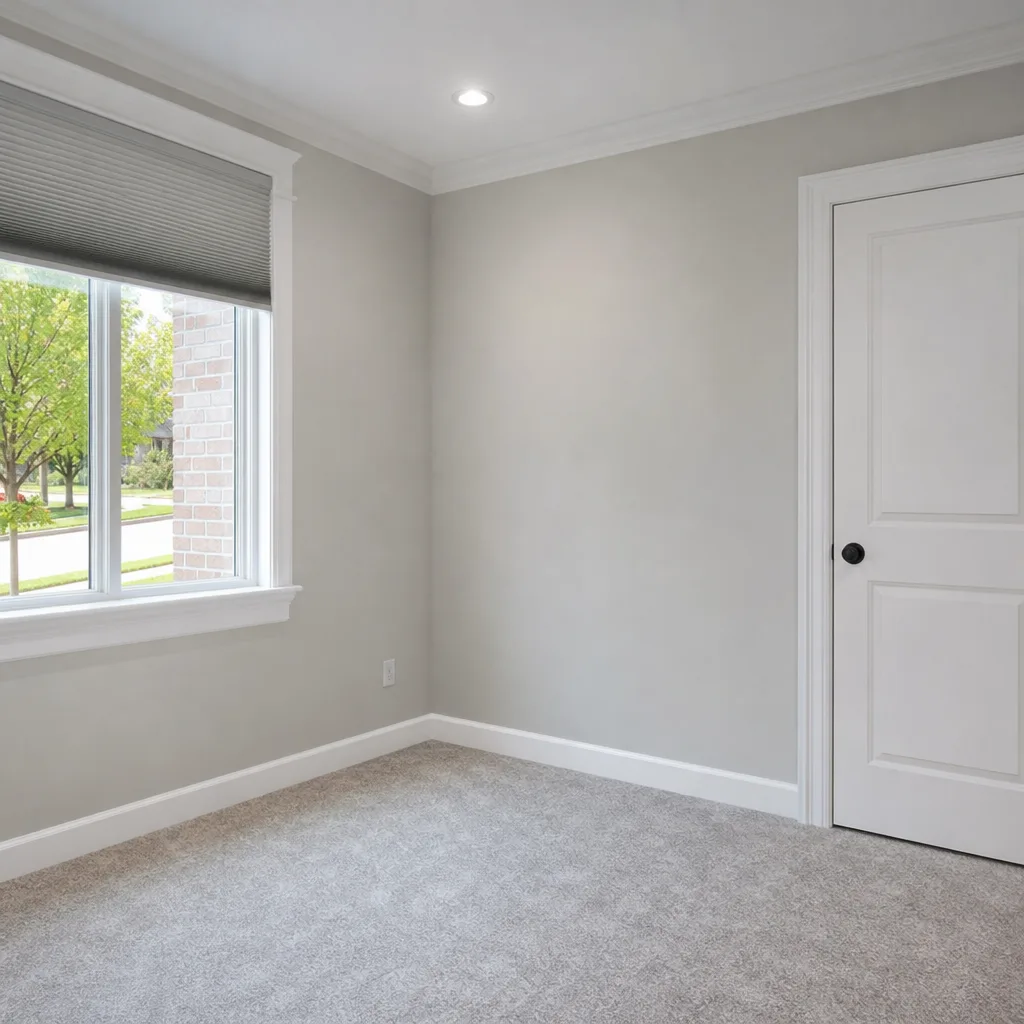
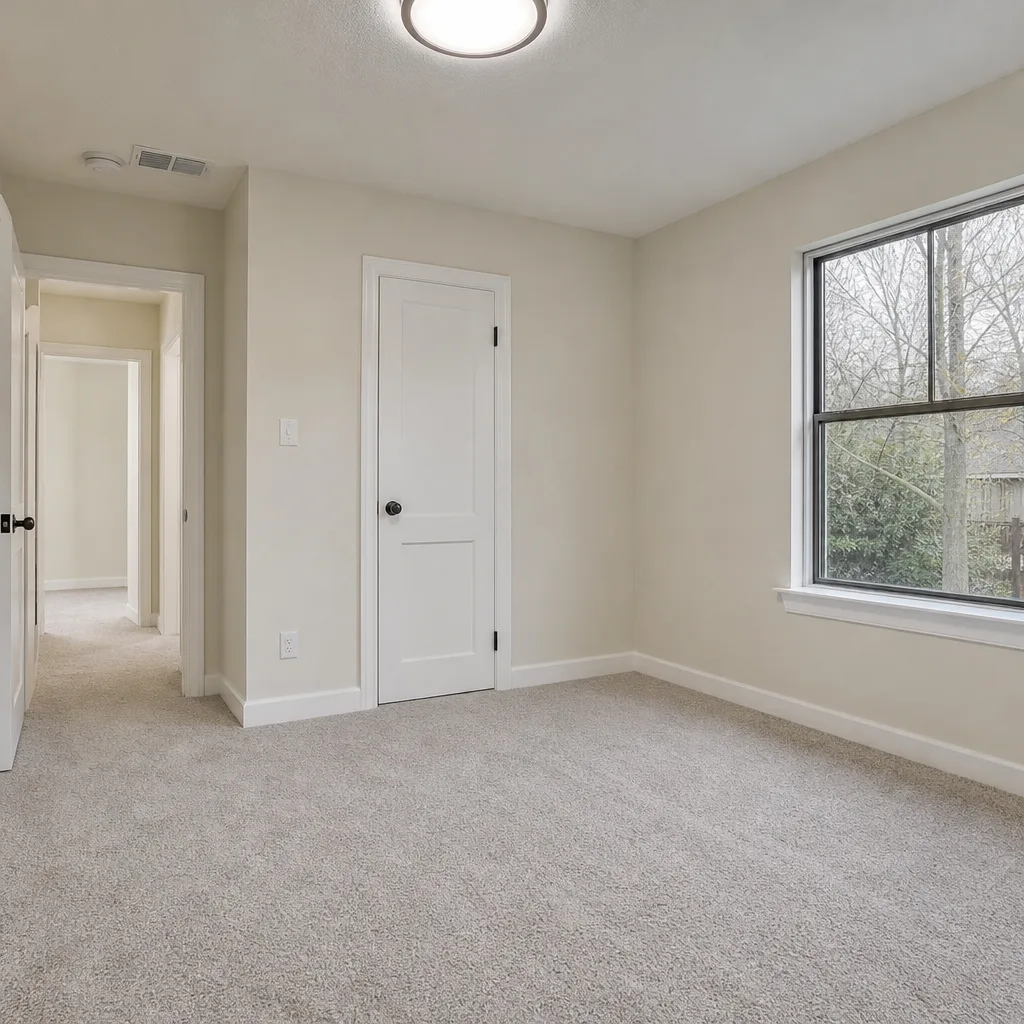
See the difference
 Before
 After
After Before
 After
After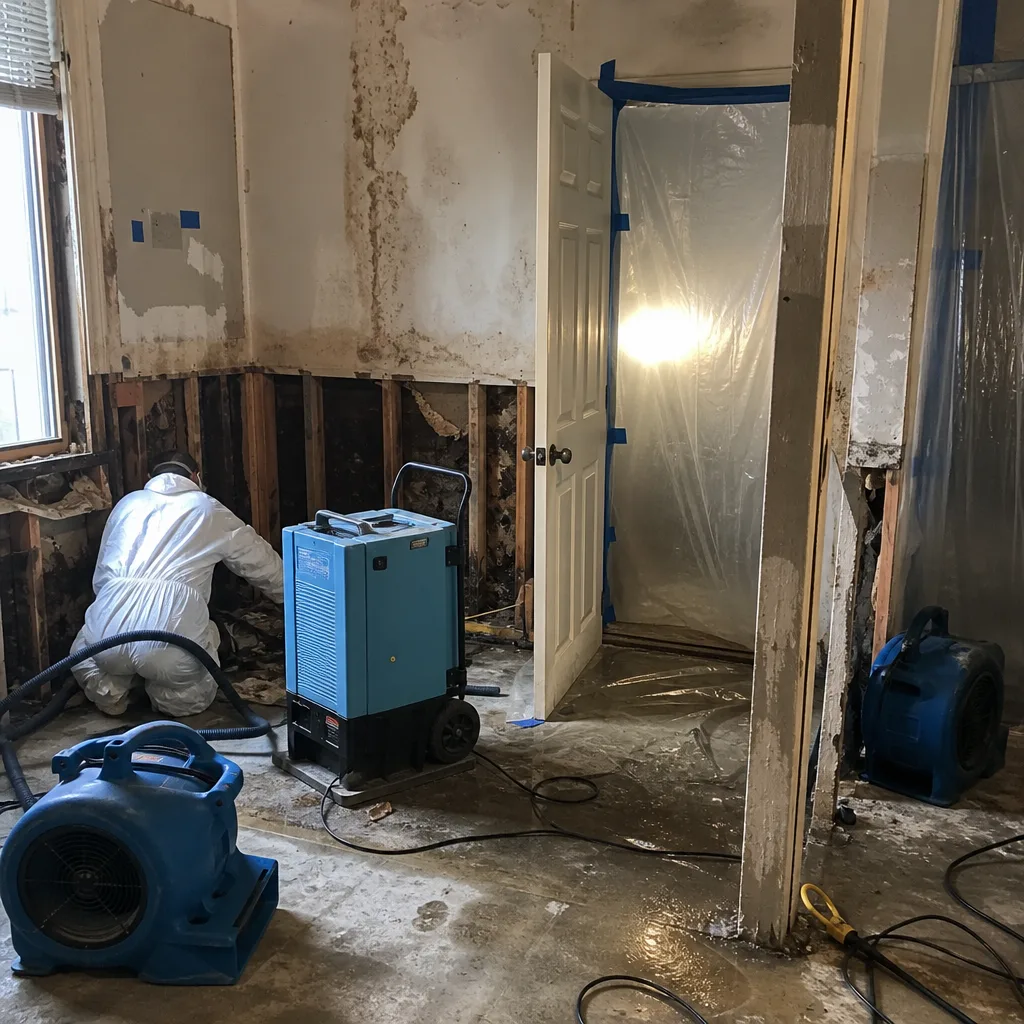 Before
 After
AfterWhen to Call a Professional
If you’re reading this guide because you’re currently dealing with water damage, mold, or storm damage in Dallas, here’s when you need professional help rather than a DIY approach: any water event that soaked drywall, insulation, or flooring; any visible mold larger than a dinner plate; any water that came from a sewage line or storm surge; any electrical outlet, switch, or panel that got wet; and any situation where you’re not sure whether the structure has dried properly behind the walls. These are the jobs where the cost of getting it wrong exceeds the cost of getting it right. Marsh Water Damage Dallas offers free estimates in Dallas, and we’ll give you a written scope and price before any work starts. Call (432) 529-4284 to speak with a live person, any hour, any day.
Frequently Asked Questions
The emergency mitigation work (water extraction, drying, dehumidification) doesn’t require a permit, but any structural repair that follows – drywall replacement, electrical work, HVAC duct replacement, framing repairs – typically requires a City of Dallas building permit. The permit is based on the repair scope, not the water event itself. Call (432) 529-4284 and we’ll tell you exactly what applies to your specific situation.
Texas law requires a TDLR-licensed mold remediator for any job disturbing more than 25 contiguous square feet of visible mold. Above 25 square feet, a licensed mold assessor from a separate company must also inspect the property before and after remediation and produce a clearance document at job completion.
Legally, the property owner is responsible for ensuring permits are obtained. Professional restoration contractors typically pull permits as part of the job, but if no permit is pulled and the city discovers the unpermitted work, the citation and liability fall to the homeowner.
Yes, when the permitted work is part of an approved insurance claim, permit fees and inspection costs are typically covered as “reasonable and necessary costs” of restoring your home, subject to your policy’s coverage limits. Check whether your policy includes ordinance or law coverage for code upgrades triggered by the repair.
You can sell, but unpermitted work gives buyers significant leverage to demand price reductions, and some lenders won’t finance a home with documented unpermitted structural work. Retroactive permitting in Dallas is costly, often requiring destructive inspection and doubled fees.
Ask the company for their TDLR license number and verify it on the TDLR website. For jobs over 25 contiguous square feet, ask for both the remediator’s license and the assessor’s license, and confirm they’re separate companies. This takes about two minutes and prevents major legal exposure. For more on what we check before sending a technician to your door, see our mold remediation services in Dallas.
The Bottom Line
Permits and licensing rules in Texas aren’t bureaucratic hoops. They’re the documentation trail that protects you when you sell, insures you when something fails, and guarantees the work was done correctly by qualified people. The City of Dallas requires permits for most structural restoration work, TDLR requires licensed and separated mold professionals for jobs over 25 contiguous square feet, and the property owner carries the legal responsibility for compliance. Get the permit number, verify the licenses, keep the clearance document, and file everything with your home records. An hour of diligence up front is worth tens of thousands of dollars when you go to sell. If you need help with storm damage restoration in Dallas or any water-related damage, call us at (432) 529-4284 and we’ll walk you through exactly what your job requires.
Written by Tobias Reyner, Owner at Marsh Water Damage Dallas, serving Dallas since 2005.