
Last updated October 16, 2026
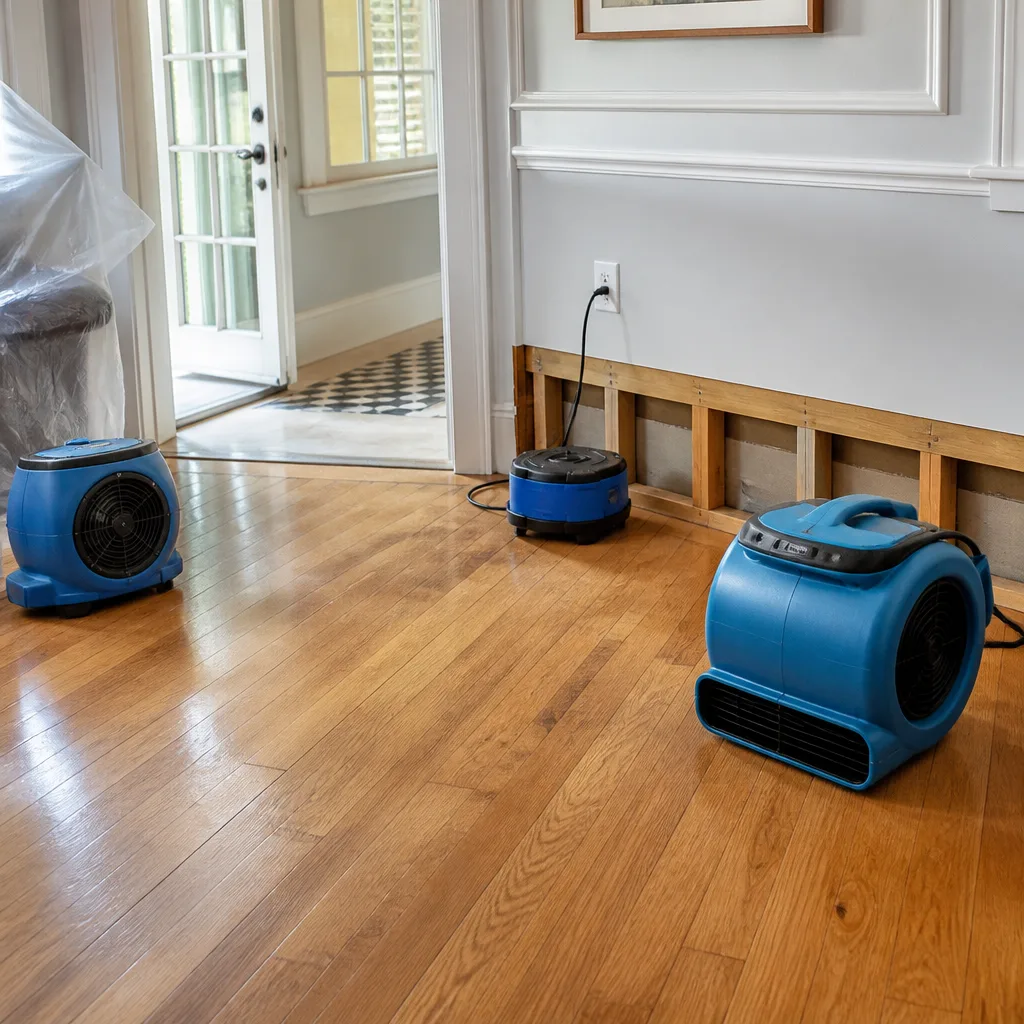 Water damage drying
 Fire & smoke cleanup
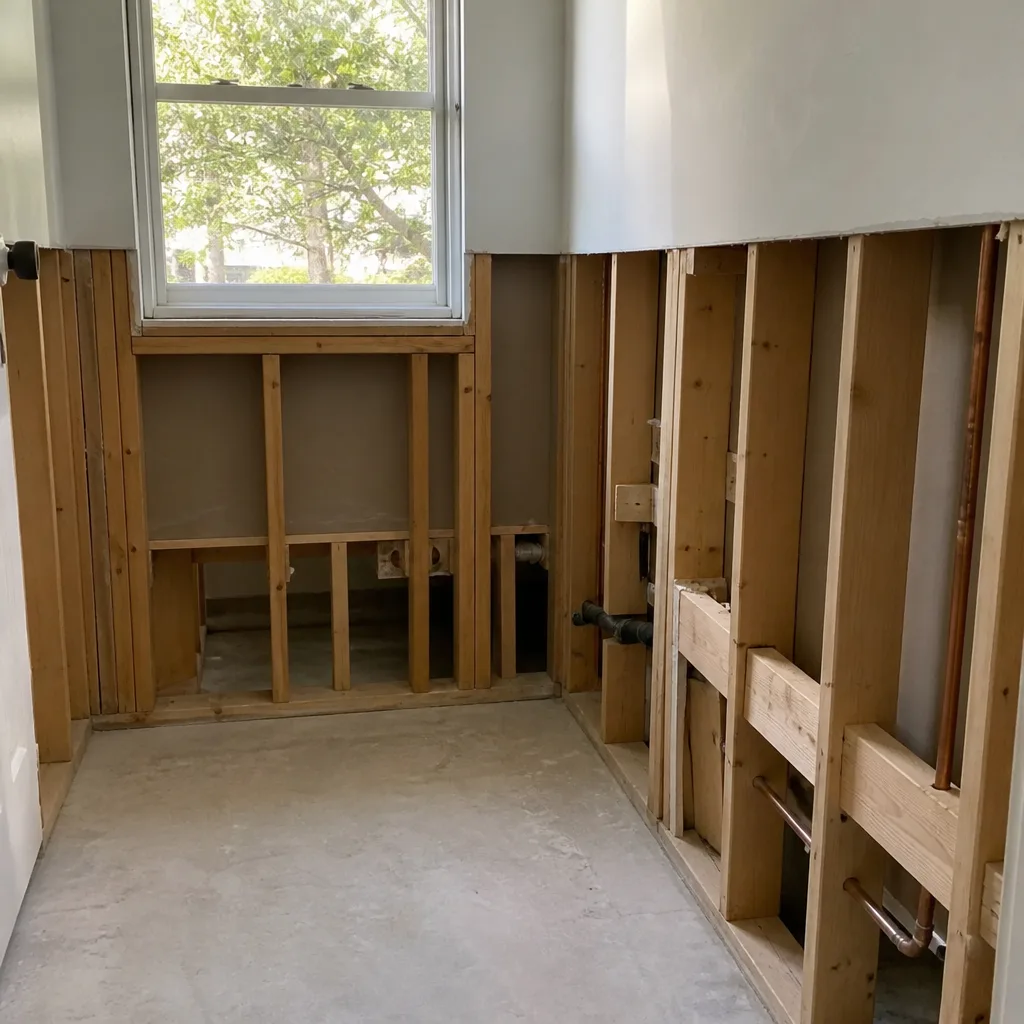 Mold remediation
 Storm response
 Sewage cleanup
 Reconstruction
Free visual inspection and a written scope of work before any mitigation begins - photos, moisture readings, and drying logs go in your claim file
The scope we write is the scope we bill. Anything new gets shown to you, in writing, before we touch it.
Get your free estimateHow to Hire a Damage Restoration Contractor in Dallas: A Step-by-Step Guide
After major Dallas storm events, the Texas Attorney General’s consumer protection division regularly issues advisories about unlicensed contractors soliciting door-to-door, yet most homeowners have no quick way to tell a legitimate crew from an opportunist at the curb. The damage is spreading while you read this. The carpet is wicking moisture up the drywall. The baseboards are swelling. And someone is knocking on your door claiming they can start right now if you just sign. This guide gives you a pre-built vetting script you can run in under ten minutes, even while the water is still moving. For broader context, see our Complete Guide to Damage Restoration in Dallas. By the end, you’ll know exactly what to check, what to ask, and what a legitimate Dallas restoration contractor sounds like when you call.
Restoration work we handle
Quick Answer
To hire a damage restoration contractor in Dallas, verify three things before anyone touches your home: (1) their Texas mold assessor/remediator license if mold is involved, (2) their IICRC certification for water damage work, and (3) that they provide a written price with line-item equipment and drying goals before any work starts. A legitimate contractor sends employees, not unvetted subcontractors, and confirms the job is complete with documented moisture readings, not a visual once-over.
Table of Contents
- Step 1: Verify Their License and Certifications (5 Minutes)
- Step 2: Ask the Right Questions When They Say “We Work With Your Insurance”
- Step 3: What a Legitimate Written Estimate Must Include
- Step 4: Verify Who Actually Shows Up – Employee or Subcontractor
- Step 5: The One Question That Separates Pros from Surface-Cleaners
- Step 6: Know What Dallas-Specific Conditions Mean for Your Restoration
- Common Mistakes to Avoid
- When to Call a Professional
- Frequently Asked Questions
- The Bottom Line
Step 1: Verify Their License and Certifications (5 Minutes)
You don’t need to become a restoration expert to spot a fake. You need to run three checks that take less than five minutes combined. Here’s the script.
- Texas Mold Assessor/Remediator License. If the words “mold” or “microbial” appear anywhere in the scope of work, Texas law requires a specific license from the Texas Department of Licensing and Regulation. Go to the TDLR license lookup page at tdlr.texas.gov and search the company name. No match means no license. That’s a hard stop. A legitimate Dallas contractor will have no problem giving you their license number before you ask. At Marsh Water Damage Dallas, our mold remediation in Dallas work is handled by teams credentialed through IICRC, RIA, and IFA, and our mold operations follow Texas regulatory requirements to the letter.
- IICRC Certification Check. The Institute of Inspection, Cleaning and Restoration Certification (IICRC) is the restoration industry’s primary training body. Their certification isn’t a piece of paper on a wall; it means the technician has passed proctored exams on water damage restoration, applied structural drying, and microbial remediation. Go to iicrc.org/locate-a-certified-professional and search by company or individual name. If the contractor claims IICRC certification but doesn’t appear in the registry, ask for their certification number and verify it directly. We carry IICRC credentials and our technicians use the same professional restoration equipment from Dri-Eaz, Phoenix, and Injectidry that commercial loss teams deploy on large-scale Dallas commercial properties.
- BBB Standing. Better Business Bureau standing isn’t a guarantee of quality, but a pattern of unanswered complaints is a red flag. Search the company at bbb.org and look for two things: complaint volume relative to company size, and whether the company responded to complaints. A local Dallas restoration company with three complaints and three responses is doing something right. A company with twenty complaints and zero responses is telling you what your own complaint experience will look like.
Run these three checks before you sign anything. If the contractor gets defensive about answering, that’s your answer.
Step 2: Ask the Right Questions When They Say “We Work With Your Insurance”
“We work directly with your insurance” is one of the most common phrases in the Dallas restoration market. It should trigger additional questions, not relief. Here’s why.
Every legitimate restoration company in North Texas files insurance claims. It’s not a differentiator. What matters is how they work with insurance, and whether they’re incentivized to inflate the claim or fight for your coverage. Ask these three questions the moment you hear the phrase:
- “Will you provide photo documentation before, during, and after the job that I can submit directly to my adjuster?” A fast “yes” with a clear process means accountability. A vague answer means you’ll be fighting the adjuster with no paper trail. We provide photo-documented assessments on every Dallas job, not just the insurance-covered ones.
- “Do you communicate with my adjuster directly, and will you copy me on every message?” Adjuster coordination is standard practice. Secret side-channel communication is not. You should be the first name on every email thread.
- “What happens if the insurance payout doesn’t cover the full scope of work you quote?” This question separates honest contractors from claim-maximizers. An honest answer involves a written change order and a conversation with you before any additional work proceeds. A contractor who says “don’t worry, we’ll make it work” is likely to surprise you with a bill after the fact.
The point isn’t to avoid insurance. Most residential water damage in Dallas is covered by homeowner’s policies. The point is to hire someone who treats your claim as yours, not as their revenue stream. We communicate directly with adjusters and copy homeowners on every message, every time. That’s not a special service. It’s the baseline.
Step 3: What a Legitimate Written Estimate Must Include
A verbal quote is not an estimate. A one-line “water extraction: $2,400” is not an estimate. In Dallas, where moderate storm damage can require structural drying over multiple days, a legitimate written estimate includes five elements. If any of them are missing, don’t sign.
- Line-item equipment list. You should see exactly what equipment is being deployed: air movers, dehumidifiers, extraction units, air scrubbers. Not “drying equipment” as a catch-all. Specific units with model numbers or at minimum brand names like Dri-Eaz or Phoenix. This tells you the contractor is planning a drying strategy, not just renting a fan and hoping.
- Drying goal with target moisture readings. A legitimate estimate states the target moisture content for affected materials and the baseline readings before work starts. The standard for drywall is typically 5-12% moisture content depending on the material and ambient conditions. If the estimate doesn’t mention moisture readings at all, the contractor isn’t doing professional drying. They’re doing surface cleaning.
- Timeline with daily benchmarks. Water damage restoration in Dallas homes typically moves through three phases: extraction (first visit), drying (2-4 days of equipment running), and monitoring (daily or every-other-day readings to confirm progress). The estimate should state how many days the equipment stays, who checks the readings, and what happens if the drying stalls.
- Total price in writing. Not a range. Not “subject to change.” A total price with a clear note that any change requires a written change order signed by you before additional work begins. At Marsh, every job receives a written price before any work begins. That’s non-negotiable on every job, not a promotional offer.
- Written guarantee terms. What’s covered, for how long, and what happens if something is not right. Our 365-Day Done Right Promise covers every repair for a full year, with a free second visit if the repair fails, included automatically, never something a customer has to argue for. If a contractor won’t put their guarantee in writing, they don’t have one.
A real estimate takes time to prepare. A contractor who hands you a one-page form with a single line item and a total is guessing. And in water damage restoration, guessing is expensive.
Step 4: Verify Who Actually Shows Up – Employee or Subcontractor
Here’s a scenario we see in Dallas regularly. You spend an hour vetting a restoration company. You check their reviews, verify their license, negotiate a fair price. Then on the morning of the job, a truck pulls up with a different company name on the door and two people you’ve never heard of. What happened? You bought from a contractor who sells the job to a subcontractor.
Subcontracting isn’t illegal, and it’s common in the restoration industry. But it creates an accountability gap. If the subcontractor does substandard work, who’s responsible? If the subcontractor damages your property, whose insurance covers it? If the subcontractor doesn’t finish the job, who do you call? These questions should be answered in writing before work starts.
Ask directly: “Will the person I talk to on the phone be the person who shows up? Will it be your employee or a subcontractor?” A legitimate answer includes the technician’s name, their photo, and their employment status. At Marsh Water Damage Dallas, every tech is background-checked, identity-verified, and sent to the customer by name and photo before the visit, then shows a photo ID badge at the door, every time. That’s the Threshold Verified standard, and it applies to every visit, not just first impressions.
This matters in Dallas because the city’s rapid growth means a lot of operators working under multiple company names, sharing crews, and blurring accountability. A named employee with a badge is accountable to someone. A nameless crew in a borrowed truck is accountable to no one.
Step 5: The One Question That Separates Pros from Surface-Cleaners
Here’s the single most revealing question to ask any Dallas restoration contractor. Write it down before you make the call.
“What moisture readings will you use to confirm the job is done?”
A professional answer sounds something like this: “We take baseline psychrometric readings (measuring the moisture in the air and in the materials) when we arrive, then monitor daily until the affected materials return to their dry standard, usually 5-12% for drywall and below 15-20% for structural lumber. We’ll show you the readings on the meter.”
A surface-cleaner answer sounds like this: “Oh, we’ll make sure it’s dry. You’ll be able to tell. We’ve been doing this for years.”
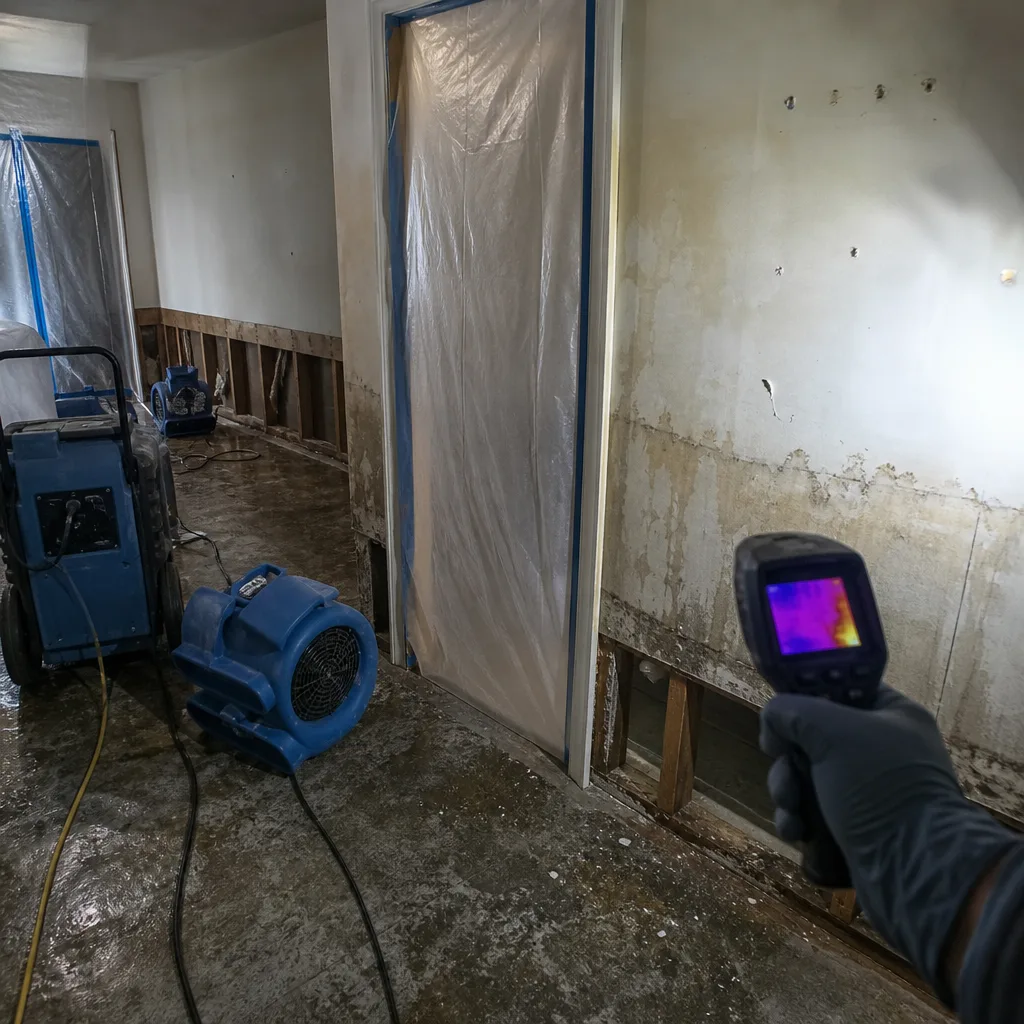
The difference is the difference between restoration and cleanup. A professional restorer in Dallas uses moisture meters, thermal imaging cameras, and psychrometrics (the science of air moisture) to determine when a structure is genuinely dry, not just dry on the surface. Surface drywall can hide a moisture pocket behind the baseboard, and that pocket becomes mold within 48 to 72 hours in Dallas’s humid summer conditions.
We use professional restoration equipment from Dri-Eaz, Phoenix, XPOWER, B-Air, and Injectidry, operated by IICRC, RIA, and IFA credentialed technicians. The same gear and standards used in large commercial losses, applied to residential jobs in every Dallas neighborhood from Lakewood to Bishop Arts.
Step 6: Know What Dallas-Specific Conditions Mean for Your Restoration
Dallas isn’t a generic market. The conditions here change how restoration should be done, which is why we published a Seasonal Damage Restoration Care for Dallas: Year-Round Homeowner’s Guide. A contractor who treats your Dallas home like a house in Phoenix or Seattle is making a technical mistake before they open the door.
Clay soil and foundation movement. Dallas sits on expansive clay soil that swells when wet and shrinks when dry. When water pools around your foundation, the soil expands unevenly, and that’s when you see cracks in brick veneer, sticking doors, and drywall separations. Water damage restoration in Dallas isn’t just about drying the inside; it often involves addressing exterior drainage and grading. A local contractor knows this. An out-of-state franchise might not.
Humidity-driven mold cycles. Dallas summers run hot and humid, with relative humidity routinely above 60%. That’s the threshold where mold growth accelerates. A drying job that stalls for even 24 hours in August can become a mold problem. Professional restorers combat this with dehumidifiers sized to the cubic footage of the affected area, not a one-size-fits-all rental unit. Storm damage restoration in Dallas requires accounting for the ambient humidity, not just standing water.
Hail and wind-driven rain. Dallas sees more severe hail events than almost any major U.S. city. Hail damage to roofs allows water intrusion that can sit in attic insulation for weeks before anyone notices a ceiling stain. A contractor familiar with Dallas storm patterns will inspect the entire water path, not just the visible stain. That’s the difference between fixing the symptom and fixing the source.
Clay pipe and cast iron plumbing. Many older Dallas homes in neighborhoods like Lake Highlands, Preston Hollow, and Oak Cliff still have original cast iron or clay sewer lines. These fail with age, and the first sign is often water backing up in a shower or a slow drain that suddenly becomes wet carpet. A local contractor who’s worked in these neighborhoods knows what to expect when they open a wall and find original plumbing from the 1950s.
Common Mistakes to Avoid
- Signing anything at the door. The contractor at your curb after a Dallas storm has one goal: get a signature before you think. Decline politely and run the five-minute vetting script from Step 1 before making any commitment. Door-to-door solicitation of roof and water damage repair is a known problem in Dallas after major hail events.
- Accepting a verbal quote for insurance work. If the contractor says “your insurance will cover it,” and doesn’t provide a written scope of work, you’re signing a blank check. Insurance pays based on documented damage, and the documentation is your contractor’s job. Make them do it.
- Choosing based on who can get there fastest. Speed matters in water damage, but a crew that can arrive in 20 minutes with no credentials is worse than a credentialed crew that arrives in 90 minutes. A live person answers our phone at Marsh Water Damage Dallas 24/7, and we prioritize by severity, not by who signed first.
- Skipping the moisture reading conversation. If you don’t ask about moisture readings, you’re gambling that the contractor is honest about invisible moisture behind walls. The contractor’s answer to this question tells you everything in about 30 seconds.
- Hiring a contractor without a written guarantee. In Dallas’s competitive restoration market, there’s no reason to accept a handshake guarantee. Our 365-Day Done Right Promise is printed on every work order. That’s the standard to hold everyone to.
- Letting the contractor deal with insurance without you on the thread. Some Dallas contractors have direct relationships with adjusters that can work in your favor or against it. Get on every email, see every photo, read every report. It’s your house and your claim.
- Ignoring mold until you can see it. By the time mold is visible on a Dallas wall, the colony has been growing inside the wall cavity for weeks. If you had water damage and the drying was not professionally documented, get a mold assessment. Our Mold Remediation in Dallas team sees this pattern constantly in homes where a previous “restoration” was really just a surface cleaning.
When to Call a Professional
Some situations are obvious emergencies: a burst supply line flooding the kitchen, a sewage backup in the utility room, storm water pouring through a damaged roof into the nursery. In these cases, call immediately. The water is actively spreading, and every hour of delay means more material that must be removed and replaced. But the subtler cases are where homeowners make expensive mistakes. A small drip under the cabinet that’s been there for weeks. A musty smell in the hallway that comes and goes. A section of baseboard that’s slightly darker than the rest. These are signs of concealed moisture, and concealed moisture in a Dallas home becomes a mold problem in under 72 hours when the HVAC is cycling humid air. You don’t need to know exactly what’s wrong. You need someone who can tell you, and that starts with a phone call. Marsh Water Damage Dallas offers free estimates in Dallas, call (432) 529-4284, and we’ll tell you honestly what you’re looking at, even if the answer is “you can handle this yourself.”
Frequently Asked Questions
Most residential water extractions in Dallas run between $1,800 and $4,500 before drying equipment is set, with full structural drying and repairs ranging from $4,000 to $15,000 depending on the affected square footage and materials. The biggest variable is the category of water: clean water from a supply line is cheaper to mitigate than sewage or storm water, which require additional sanitation and containment. Call (432) 529-4284 for an exact quote, estimates are free.
Standard Texas homeowner’s policies typically cover sudden and accidental water damage, like a burst pipe or storm intrusion, but they usually exclude gradual leaks, flooding from rising groundwater, and sewer backups unless you carry specific endorsements. Flood damage from a Dallas creek overflowing requires a separate flood insurance policy through the National Flood Insurance Program. Your contractor should provide photo documentation and a written scope to submit with your claim.
In a genuine emergency, a legitimate Dallas restoration company should have someone on-site within 90 minutes to 2 hours during business hours, and within 3 hours overnight. Anyone who claims they can be at your door in 15 minutes is either staging crews in your neighborhood or not doing the work they claim to do. A live person answers our phone 24/7, and we dispatch based on severity.
If the water was clean and the area was dried professionally within 24 to 48 hours, surface cleaning and carpet extraction are often sufficient. If the water sat for more than 48 hours, if it involved sewage or storm runoff, or if you can smell mustiness, you need professional remediation, not just cleaning. A legitimate contractor will tell you which situation you’re in, and why, with moisture readings to prove it.
A professional restoration contractor communicates directly with your adjuster, provides documentation and photos, and copies you on every message. You should never be left alone to translate a restoration report to an insurance adjuster, but you also should never be cut out of the loop. At Marsh Water Damage Dallas, we document everything, we talk to your adjuster, and you see every message we send.
If it’s safe to reach the water source, shut off the water at the meter or the nearest shutoff valve. Avoid walking through standing water if you can’t see the floor, especially if electrical outlets may be submerged. Move small valuable items and electronics to a dry, elevated location. Document what you can see with your phone. Don’t use a regular household vacuum to extract water, and don’t attempt to remove soaked drywall or flooring yourself if you’re unsure whether the water is clean or contaminated. Wait for the professional assessment.
The Bottom Line
Hiring a damage restoration contractor in Dallas doesn’t require becoming an expert in psychrometrics or mold biology. It requires running three verification checks, asking three pointed questions about insurance, demanding a written estimate with specific line items, and insisting on knowing who’s showing up at your door. The right contractor welcomes these questions. The wrong contractor dodges them. The water in your home is a problem. The uncertainty of a stranger at your door doesn’t have to be. And a marsh is low, wet ground, water where it shouldn’t be. That’s what we deal with every day, and the name says so. Marsh Water Damage Dallas has been serving Dallas since 2005, with water damage restoration in Dallas handled by credentialed teams who show up named, badged, and ready to work.
Written by Tobias Reyner, Owner at Marsh Water Damage Dallas, serving Dallas since 2005. Explore more guides & resources on our blog.
See the difference
 Before
 After
After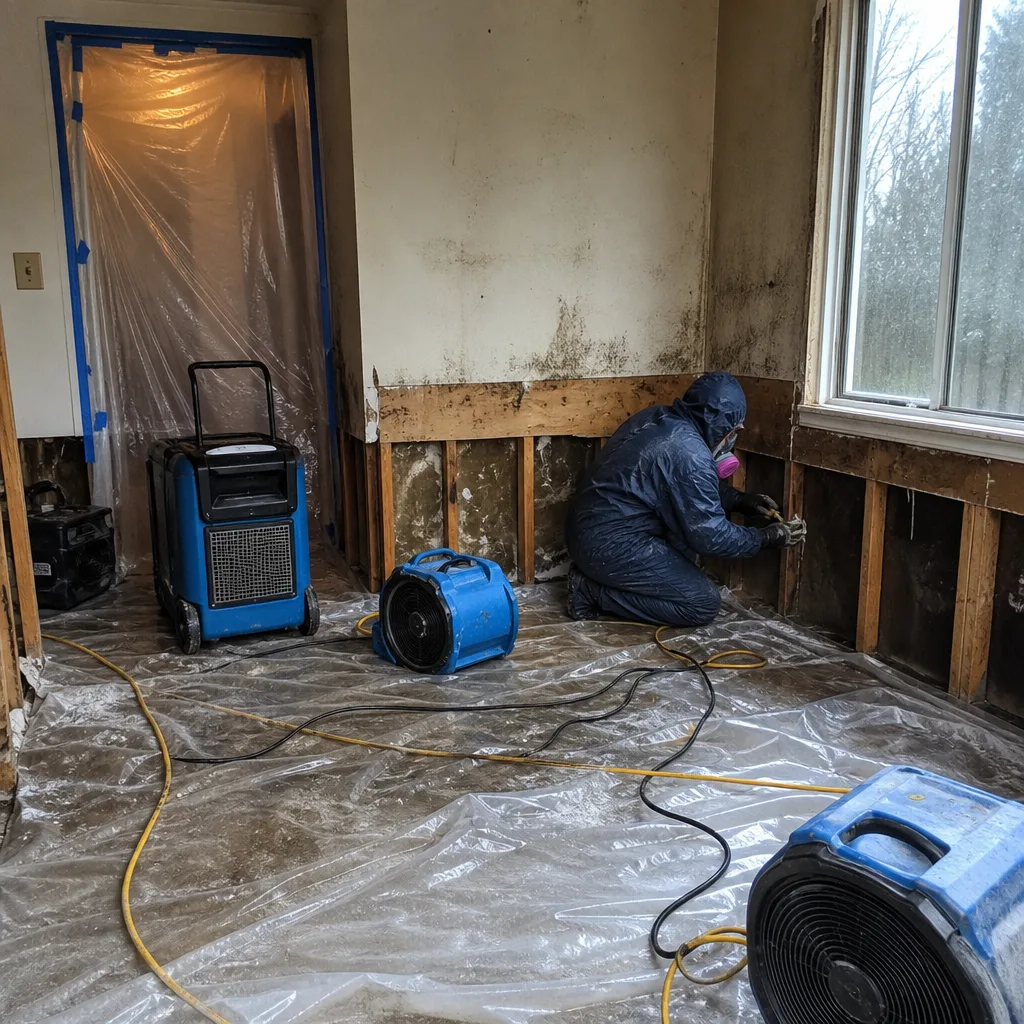 Before
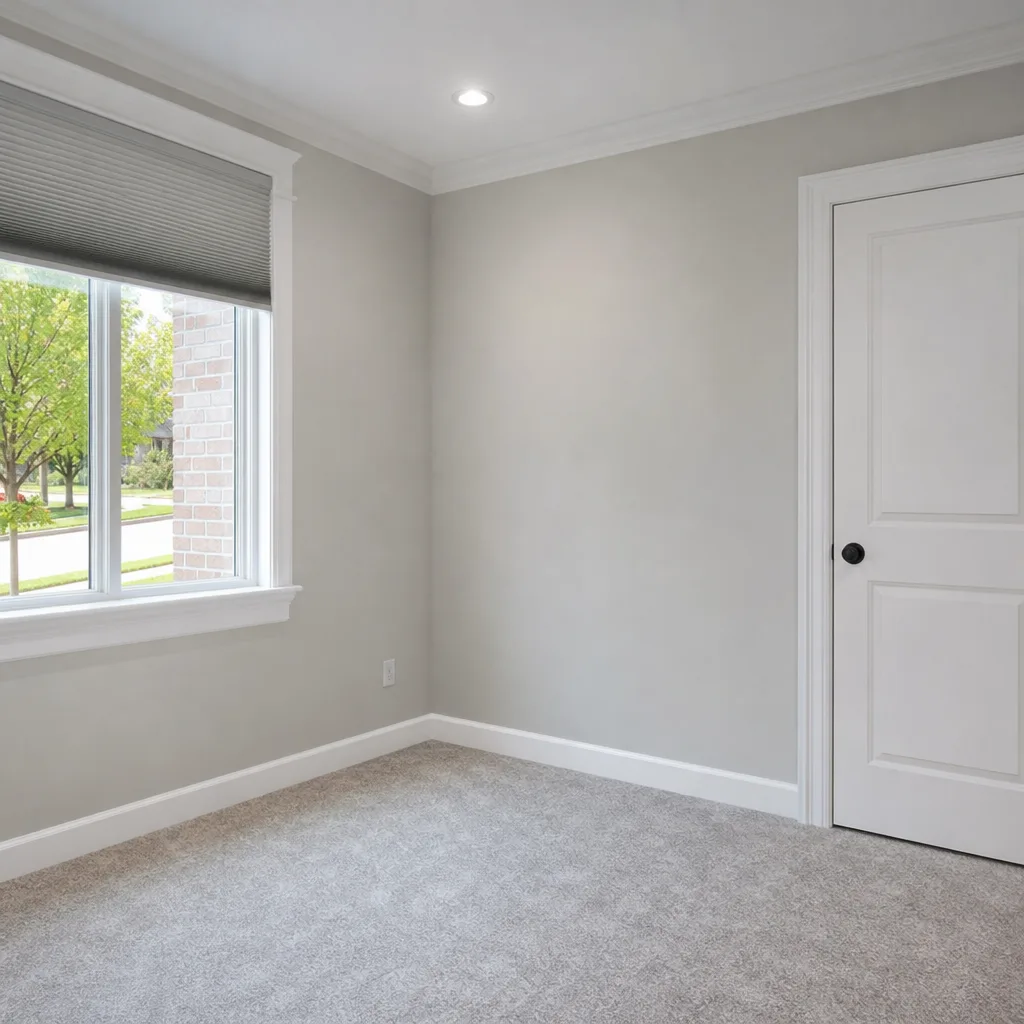 After
After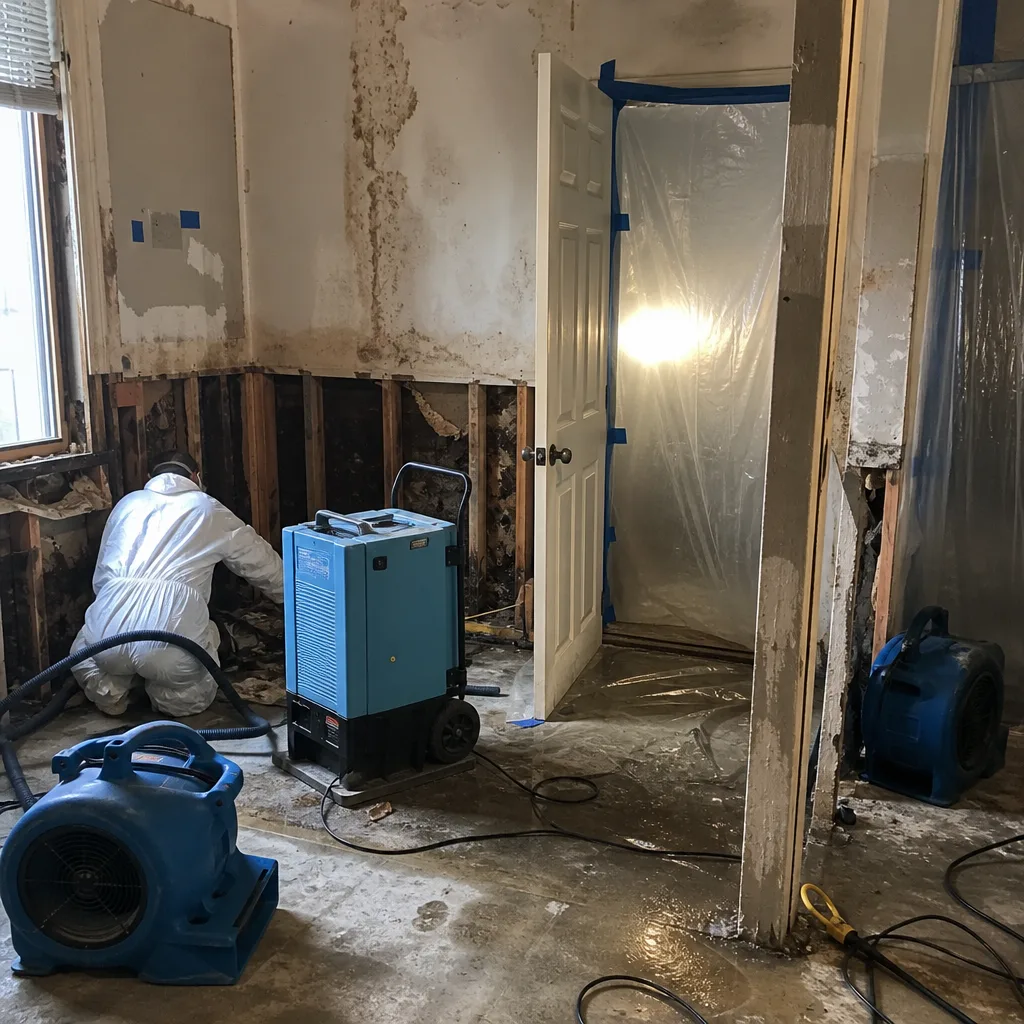 Before
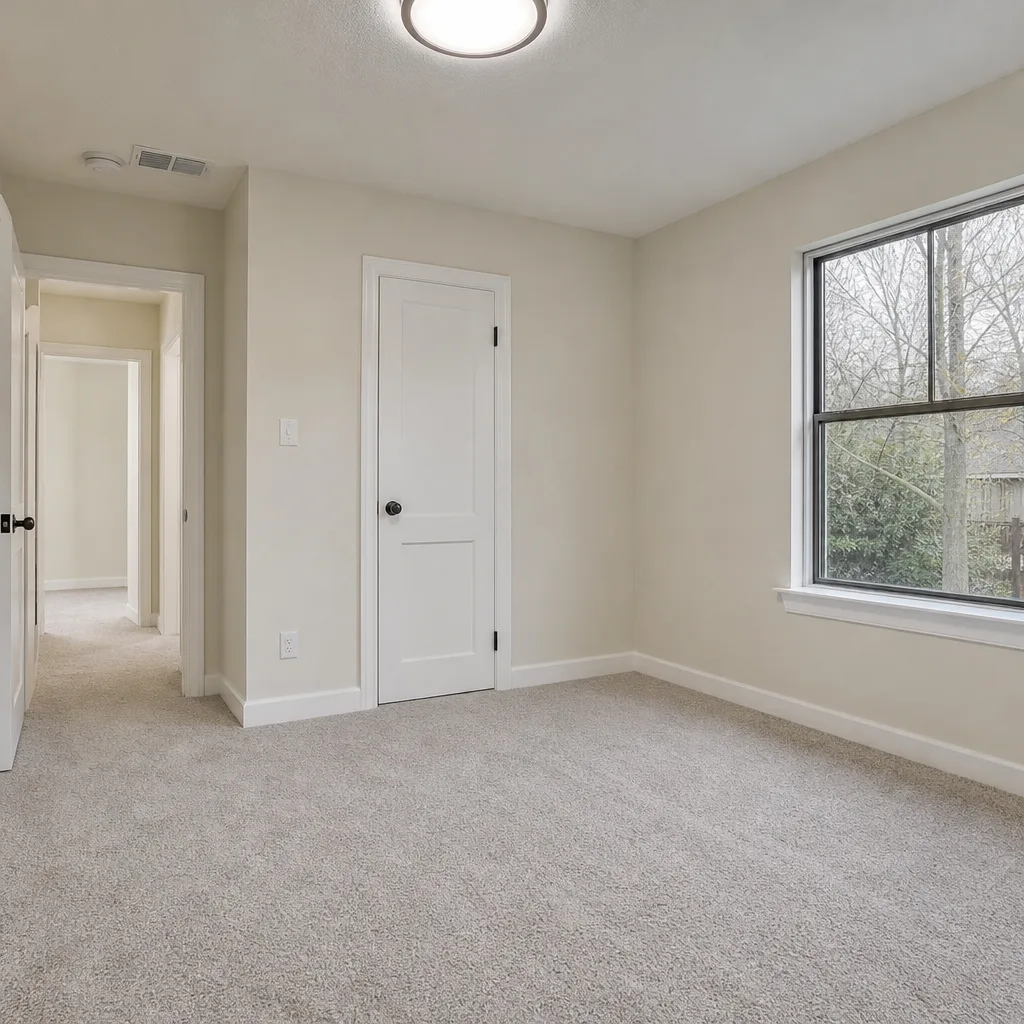 After
After