
Last updated October 16, 2026
 Water damage drying
 Fire & smoke cleanup
 Mold remediation
 Storm response
 Sewage cleanup
 Reconstruction
Free visual inspection and a written scope of work before any mitigation begins - photos, moisture readings, and drying logs go in your claim file
The scope we write is the scope we bill. Anything new gets shown to you, in writing, before we touch it.
Get your free estimateDamage Restoration Cost Breakdown: The Dallas Homeowner’s Reference for 2026
Here’s a number that surprises most Dallas homeowners: two houses on the same street in Lake Highlands can suffer near-identical looking water damage, yet one quote comes in at $2,100 and the other at $19,000. Neither contractor is lying. The difference sits in what’s behind the drywall and under the flooring, where the actual cost drivers hide. This guide walks you through every line item on a Dallas restoration quote, what each one means, what it should cost in 2026, and the five questions that separate a complete scope from a cheap one that balloons after demo starts. For Damage Restoration Warning Signs: A Dallas Homeowner’s Reference Guide, see our companion post. By the time you finish reading, you’ll be able to read a restoration estimate the way an adjuster does.
Restoration work we handle
Quick Answer
Water damage restoration in Dallas typically costs between $1,800 and $28,000 in 2026, with most residential jobs landing between $3,500 and $12,000. The single biggest variable is water category: a clean-water dishwasher leak may cost $2,000 – $4,000 to dry and repair, while a sewage backup requiring Category 3 protocols, antimicrobial treatment, and material removal can run $12,000 – $28,000. Equipment, square footage, and how long water sat before extraction drive the rest of the variance.
Table of Contents
- The IICRC Water Category System: Why “Dirty” Water Changes Everything
- Why Dallas Soil and Climate Make Restoration Different Here
- Equipment Line Items Decoded: What You’re Actually Paying For
- Scope Creep: The Five Most Common Mid-Job Additions in Dallas Homes
- Insurance Adjuster Math vs. Contractor Math: Why the First Number Is Always Low
- How to Compare Two Quotes for the Same Job: A Line-by-Line Framework
- 2026 Dallas Restoration Price Ranges by Job Type
- Common Mistakes to Avoid
- When to Call a Professional
- Frequently Asked Questions
- The Bottom Line
The IICRC Water Category System: Why “Dirty” Water Changes Everything
The IICRC (Institute of Inspection, Cleaning and Restoration Certification) classifies water damage into three categories, and this classification is the first thing a qualified Dallas restoration company determines before writing a scope. The category sets the protocol, and the protocol sets the price.
Category 1: Clean Water. This is water from a supply line: a burst pipe under a sink, a failed water heater supply valve, an overflowing bathtub with no contaminants. In Dallas, Category 1 extraction and drying on a single room typically runs $1,800 – $3,500. The key here is speed. If Category 1 water sits for more than 48 hours, it degrades. Bacteria multiply. Building materials absorb it. A clean-water job that started at $2,500 can become a Category 2 job worth $7,000 in two days, simply because the water was left standing. This is why we tell every Dallas homeowner the same thing: call before you mop. The mop is not the fix.
Category 2: Gray Water. This is water with significant contamination: washing machine overflow, dishwasher discharge, AC condensate line backups, or Category 1 water left sitting too long. Gray water carries microorganisms and requires antimicrobial treatment on affected surfaces. Dallas prices for Category 2 jobs generally run $4,500 – $11,000, with the spread driven by how much drywall and flooring needs removal. In homes near White Rock Lake where humidity is already higher, we see gray water penetrating sill plates faster than in drier parts of the metroplex.
Category 3: Black Water. This is sewage, river water, or storm surge. It carries pathogens, bacteria, and in Dallas specifically, a particular risk with older clay sewer lines that have shifted in our expansive clay soil. Category 3 requires full PPE for technicians, removal of affected porous materials (carpet, pad, drywall, insulation), disposal of contaminated debris, and antimicrobial application to the remaining structure. A single bathroom sewage backup in a Dallas home runs $5,000 – $14,000. A whole-house event where sewage spread through the HVAC system can reach $22,000 – $28,000.
The category is assigned by the technician on site using IICRC standards, not by the homeowner, not by the insurance adjuster, and definitely not by whoever quotes the lowest number. A contractor who quotes a sewage backup at a Category 1 price is either cutting corners on safety or planning to add it back mid-job. Both outcomes end badly for the homeowner.
Why Dallas Soil and Climate Make Restoration Different Here
Dallas doesn’t dry like other cities. The combination of high summer humidity, intense heat, and expansive clay soil creates drying conditions that are genuinely unique in the restoration industry, and any Water Damage Restoration in Dallas professional works around three local realities that out-of-state franchises often miss.
First, the clay. Dallas sits on the Austin Chalk and Eagle Ford formations, but most residential neighborhoods are built on Blackland Prairie clay, which expands when wet and contracts when dry. When a slab leak saturates the soil under a foundation, the clay swells, shifts, and can crack the slab further. Foundation movement is a real and common Dallas cost multiplier. A slab leak under a kitchen in Richardson or Garland isn’t just a drying job. It may require hydrostatic pressure testing, plumbing repair, and if the clay has shifted enough, a foundation engineer’s opinion. That’s a $4,000 water job turning into a $20,000+ structural conversation, and it’s specific to our soil.
Second, the humidity. Dallas summer dew points routinely hit the mid-70s. When the outdoor air holds that much moisture, evaporation from wet building materials slows dramatically unless dehumidification is aggressive. Restoration companies working in Phoenix or Las Vegas can dry a structure with basic air movement. In Dallas, we need low-grain refrigerant dehumidifiers running longer and more of them per square foot. That’s a legitimate equipment cost difference, and it’s why quotes from a national franchise that uses a one-size-fits-all drying formula often underestimate drying time and equipment count here.
Third, the storm pattern. North Texas sees concentrated severe weather: hail, straight-line winds, and flash flooding. A storm-damage restoration job in Dallas frequently involves roof water intrusion, window flashing failures, or fence-line drainage problems that don’t exist in calmer climates. When we dry a home after a spring storm in Preston Hollow, we’re often dealing with water that entered through multiple points at once, not a single pipe rupture.
Equipment Line Items Decoded: What You’re Actually Paying For
Every restoration quote includes equipment charges, and this line item is where homeowners get most confused and where some contractors pad quietly. Here’s the honest math.
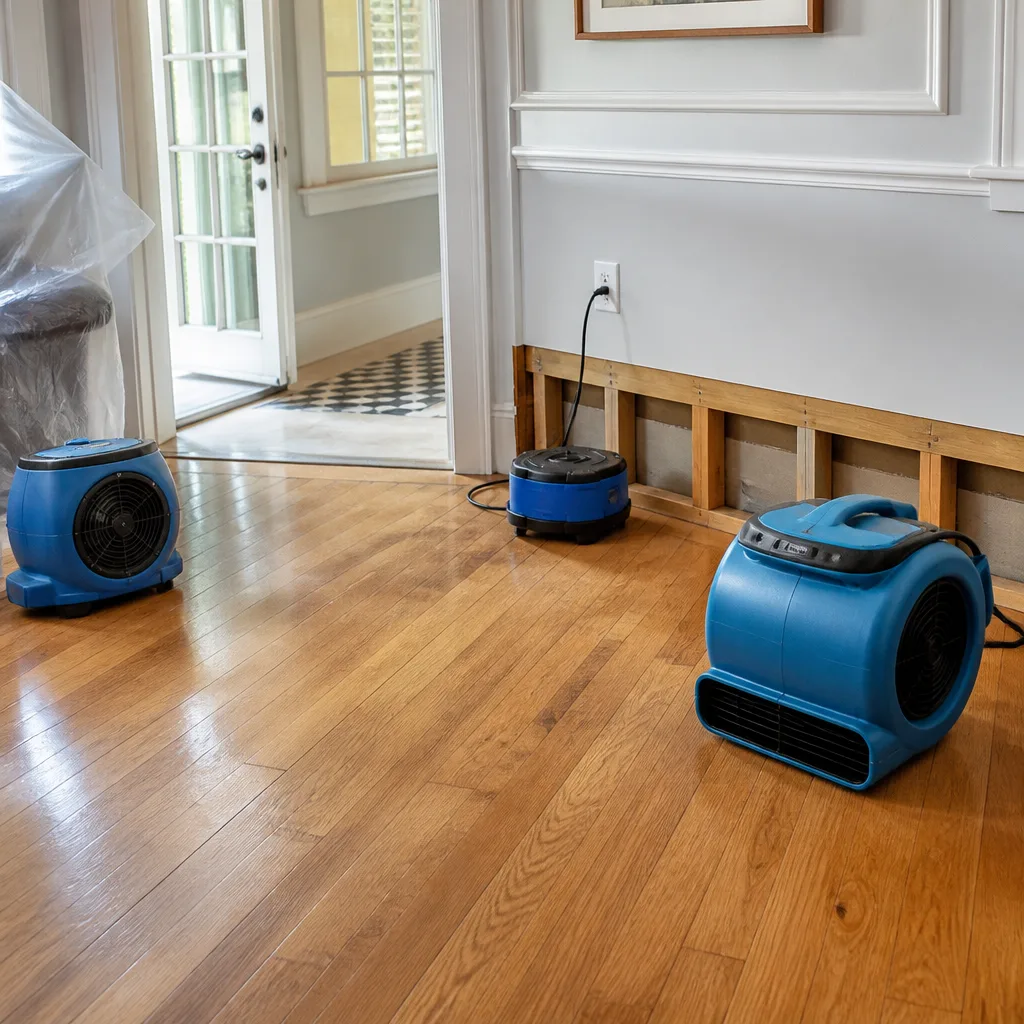
An air mover (the high-velocity fan that pushes air across wet surfaces) is a piece of equipment you can rent at a big-box store for $25 – $35 per day. A restoration company using professional equipment from manufacturers like B-Air typically charges $45 – $65 per unit per day on a residential job. The markup exists for three reasons: the equipment is commercial-grade and moves far more air than rental units, someone has to deliver it, set it up, monitor placement, and retrieve it, and the units are sanitized between jobs. You’re not being ripped off by the markup. You’re paying for an industrial tool, not a rental fan.
A low-grain refrigerant dehumidifier (the chest-high machine that pulls moisture from the air) rents for $60 – $80 daily from rental yards, while restoration companies charge $85 – $150 per day. These are the workhorses of any Dallas dry-out, because as noted, our humidity demands aggressive dehumidification. A typical three-bedroom water loss in Dallas requires 2 – 4 dehumidifiers running 3 – 5 days. That’s $1,000 – $2,500 in dehumidification equipment alone, and it’s legitimate.
An hydroxyl generator (the machine that neutralizes odors and airborne contaminants) runs $150 – $300 per day. Some companies use ozone generators instead, but ozone is not safe for occupied spaces and is increasingly avoided in residential work. Hydroxyl is the safer choice, and you’ll see it on Category 2 and 3 jobs more than Category 1.
Then there are specialized tools like the Injectidry system, which forces air through drilled holes into wall cavities to dry the space between the studs without removing drywall. This is a marksmanship tool, not a standard item. It costs $200 – $400 per day to deploy, but it can save thousands in drywall removal and replacement, especially in Dallas homes where matching older texture and trim work makes replacement expensive. A competent company will use Injectidry or similar systems strategically to preserve materials, not rip everything out. A quote that includes Injectidry and a quote that includes full drywall removal for the same wall cavity should be compared carefully. The Injectidry route is usually cheaper overall and less invasive.
Our team at Marsh Water Damage Dallas home runs Dri-Eaz, Phoenix, XPOWER, B-Air, and Injectidry equipment, with IICRC, RIA, and IFA credentialed technicians operating it. The equipment brand matters less than the technician’s ability to read psychrometric readings (measuring the moisture in the air) and adjust the drying plan daily. That adjustment, more than the gear itself, is what finishes a job on schedule.
Scope Creep: The Five Most Common Mid-Job Additions in Dallas Homes
Scope creep is the industry term for when a $4,000 quote becomes a $9,000 job two days after demo starts. Sometimes it’s legitimate: the damage is worse behind the wall than anyone could see. Sometimes it’s a contractor who low-balled the initial scope to win the work, knowing additions would follow. Either way, Dallas homeowners should know these five additions are the most common and what they actually cost.
- Subfloor replacement. Water pools under tile, vinyl, or carpet, saturates the plywood or OSB subfloor, and it swells, warps, or grows mold. Replacement in a Dallas home typically adds $8 – $14 per square foot for materials and labor. A 200 sq ft room adds $1,600 – $2,800. This is the most common add-on in slab homes where water travels under walls and across entire rooms before anyone notices.
- Insulation removal. Waterlogged fiberglass or cellulose insulation loses its R-value and stays wet for weeks. Removal and replacement adds $1 – $3 per square foot. In attics where a roof leak soaked blown-in insulation, this can add $2,000 – $5,000 to a job, and any honest contractor will flag it the moment the damaged area is exposed.
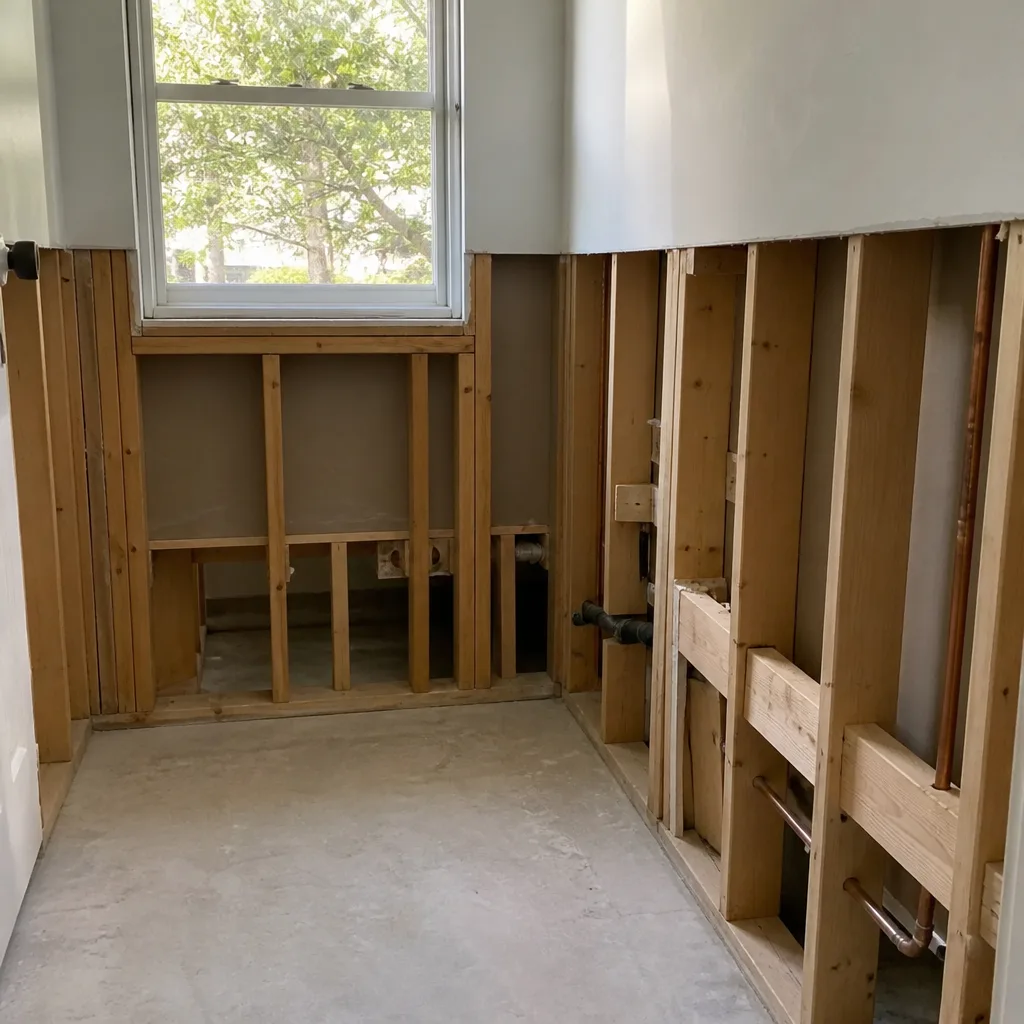
- Drywall cavity drying. Water wicks up drywall through capillary action, soaking the wall cavity without showing on the surface. If a technician cuts a check hole and finds wet insulation or framing, the scope expands to either drill-and-dry with Injectidry or remove the lower 2 – 4 feet of drywall. This adds $500 – $1,800 per affected wall.
- Content pack-out. When flooring or drywall removal begins, furniture and belongings must be moved. Some jobs require full pack-out: photographing, inventorying, boxing, and moving contents to a climate-controlled warehouse. Full pack-out in a Dallas three-bedroom home runs $3,000 – $8,000. A quote that doesn’t mention content handling at all is either assuming you’ll do it yourself (fine, if you are) or planning to bill it later (not fine).
- Mold remediation. If water sat long enough for visible mold or musty odors to develop, the job expands from water restoration into Mold Remediation in Dallas. This involves containment barriers, negative air pressure, HEPA vacuuming, antimicrobial treatment, and removal of colonized materials. Mold scope frequently adds $3,000 – $12,000, depending on spread. In Dallas, where heat and humidity accelerate mold growth, any water event that sat for over 72 hours should be assumed a mold risk until testing says otherwise.
Our policy at Marsh Water Damage Dallas is to write the full anticipated scope before the first cut happens. We show you a written price that covers what we expect, and if we discover something the initial assessment couldn’t see, we stop and show you before proceeding. No scope expansion happens without your signature and no bill arrives that you haven’t approved. That policy is printed on the work order, not just promised in a sales call.
Insurance Adjuster Math vs. Contractor Math: Why the First Number Is Always Low
The initial insurance estimate on a Dallas water loss is almost always lower than the final claim. This is not a conspiracy, and it’s not because your adjuster is bad at their job. It’s because the adjuster writes off visible damage using standardized pricing software like Xactimate, and the actual damage is never fully visible.
Here’s how the math works. Your adjuster arrives, sees wet carpet in a bedroom, writes an estimate for carpet replacement, pad replacement, and maybe 24 inches of drywall. They write it using average Dallas labor rates from the Xactimate database. The estimate lands at $2,800.
Then the restoration contractor opens the wall. The insulation behind the drywall is soaked and falling. The baseboard has water staining. The carpet tack strips are rusted. The pad has wicked water three feet into the adjacent room. The list of additions gets documented with photos, moisture readings, and written scope notes. The contractor submits a supplement: an additional $4,100. Your adjuster reviews it, compares against the photos and readings, and approves most or all of it. The final payout is $6,900.
The gap between the initial estimate and the final claim is not fraud. It is the difference between what is visible on day one and what is true on day three. A legitimate Dallas restoration contractor closes this gap with documentation: moisture maps, photo logs, equipment placement records, and daily drying charts. A contractor who doesn’t document can’t get supplements approved, which means either the homeowner pays out of pocket or the job stays incomplete.
This is why choosing a contractor who speaks adjuster language matters. RIA (Restoration Industry Association) and IICRC credentialed companies know how to document claims to the standard your insurance carrier expects. The paperwork is part of the job, and when it’s done right, you never have to fight your own adjuster.
How to Compare Two Quotes for the Same Job: A Line-by-Line Framework
When one Dallas company quotes $3,100 and another quotes $5,900 for what looks like the same water loss, the cheaper one might be the smarter choice or it might be half a scope. Here’s a framework to tell which.
- Compare the water category. If one quote classifies the loss as Category 1 and the other says Category 2, dig into why. The correct category should be justified with visible evidence and testing. A contractor who down-categorizes to look cheaper is not actually cheaper; they’re pricing a different job.
- Compare equipment counts. The quote should list air movers, dehumidifiers, and any specialty equipment by type and number. A two-dehumidifier quote for a 1,500 sq ft saturated home in Dallas in August is under-scoped. The job will take longer, dry incompletely, and lead to secondary damage. Look for equipment count parity between quotes.
- Compare drying time estimates. A Dallas dry-out typically runs 3 – 5 days. A quote promising a 24-hour dry-out on a saturated structure is either planning to rip out more material (matching a faster timeline with higher replacement cost) or not actually drying it. Neither is honest math.
- Compare material replacement to material restoration. Can drywall be saved with Injectidry cavity drying, or does one quote assume full removal? Full removal is sometimes necessary, but if one contractor offers a restorative route and the other jumps to demolition, ask why. The demo quote may be cheaper on paper or it may be more expensive, but the restorative route often preserves original finishes that are expensive to recreate in older Dallas homes.
- Compare the documentation promise. Ask each contractor how they will document the job for your insurance claim. A written answer that includes moisture readings, photo logs, and supplement support is a complete quote. A shrug is a future out-of-pocket bill for you.
We advise Dallas homeowners to get two quotes when possible, but to compare them line by line, not headline to headline. The lower number wins only if the scope is identical. The higher number wins if it includes the work the other one quietly left out.
2026 Dallas Restoration Price Ranges by Job Type
Here are the ranges we see across the Dallas metroplex in 2026, based on what our team encounters from Oak Cliff to Far North Dallas. These are realistic figures for professional restoration work, not handyman pricing.
- Single-room clean water extraction and drying: $1,800 – $3,500
- Whole-house Category 1 drying (multi-room, crawl space or attic involvement): $5,000 – $9,500
- Gray water kitchen or laundry room job with material removal: $4,500 – $11,000
- Sewage backup, single bathroom: $5,000 – $14,000
- Sewage backup, multi-room spread: $12,000 – $28,000
- Slab leak with foundation concerns (pre-repair assessment through restoration): $8,000 – $25,000+, depending on structural findings
- Storm or hail-related water intrusion (spring Dallas storm pattern): $3,500 – $18,000
- Mold remediation, contained single room: $2,500 – $6,000
- Mold remediation, multi-room with HVAC involvement: $8,000 – $20,000
These ranges assume professional equipment, IICRC-standard protocols, and licensed, insured technicians. They do not include reconstruction after drying is complete: rehanging drywall, painting, flooring installation, and trim work are separate trades and separate line items. A complete restoration in Dallas often splits into two phases: mitigation (the emergency work to stop the damage) and reconstruction (the rebuild). Storm Damage Restoration in Dallas frequently involves both phases under one project plan.
Common Mistakes to Avoid
- Waiting to call because “it’s just a little water.” A small amount of visible water rarely means a small amount of absorbed water. In a Dallas summer, 48 hours of standing water in a wall cavity is enough to start mold growth. The call costs nothing; the wait costs thousands.
- Accepting the lowest quote without comparing scope. A $2,200 quote that excludes content handling, drywall cavity drying, and antimicrobial treatment will cost $5,000 by the time the job is actually done. The scope is the quote; the number is just its shadow.
- Drying with household fans and a dehumidifier from the hardware store. Household units move a fraction of the air that commercial air movers do and remove a fraction of the moisture. In Dallas humidity, you’re fighting the weather with a butter knife.
- Assuming insurance covers everything without documenting anything. Insurance covers what’s documented. Photo every wet item, every affected surface, every piece of damaged material before anything is removed. The adjuster will ask for it.
- Letting a contractor start demolition before a written price exists. We hear it weekly in Dallas: the crew arrived, tore out the carpet, then the “real” estimate appeared. Do not let a hammer touch a wall before the price is on paper.
- Ignoring the door policy. You’re letting strangers into your home, often during a stressful emergency, sometimes when you’re alone. A restoration company that can’t tell you exactly who is showing up before the knock is not prepared to protect your property. Ask about technician identification before you book.
- Assuming Category 3 water can be “just cleaned.” Sewage-water-affected carpet, pad, and porous materials cannot be salvaged. Any company that says they can clean it is either inexperienced or willing to leave pathogens in your home. The material comes out. Period.
When to Call a Professional
Call a professional the moment you see water where it shouldn’t be. That sentence is short because the rule is simple. The exceptions are modest: a tiny spill from a cup, a damp spot from a window you’ve already identified as the only source. Those you can handle with towels and attention. Everything else, from a burst pipe to a slow drip you’ve noticed for weeks, needs professional eyes. Water follows gravity, wicks upward, and hides in cavities. What you can see is never the whole job. Marsh Water Damage Dallas offers free estimates in Dallas. Call (432) 529-4284 and a live person answers, 24 hours a day, including holidays. We’ll send a technician who has been background-checked and identity-verified under the Threshold Standard, and you’ll know their name and see their photo before they ring your doorbell.
Frequently Asked Questions
Most residential water damage restoration in Dallas costs between $3,500 and $12,000 in 2026, with a range from $1,800 for a small clean-water job to $28,000 for a severe Category 3 sewage event. The category of water, square footage affected, and how long the water sat drive the final number. Call (432) 529-4284 for an exact quote on your specific situation; estimates are free and a written price is provided before any work begins.
Most standard Texas homeowners policies cover sudden and accidental water damage, like a burst pipe or an appliance supply line failure, but they typically exclude gradual leaks, flooding from outside (which requires separate flood insurance), and water damage from neglected maintenance. Your restoration contractor should document everything with photos and moisture readings to support your claim, and Marsh Water Damage Dallas works directly with adjusters to close the gap between the initial estimate and the final scope.
A restoration company with 24/7 live dispatch can have a technician at your Dallas home within 60 to 90 minutes in most cases, though this depends on your location within the metroplex and current call volume. Marsh Water Damage Dallas answers every call with a live person around the clock, and our field technicians are dispatched from within the DFW area rather than routed from out of state.
A quote that is double another quote is usually not double the work; it is the complete work versus half the work. The cheaper quote may use a lower water category classification, fewer dehumidifiers, no cavity drying, no content handling, or no antimicrobial treatment. When you compare quotes line by line instead of by total price, the gap usually explains itself.
Yes, and it does. If moisture remains in wall cavities, under flooring, or in insulation after the drying equipment comes out, mold can appear within days to weeks, especially in Dallas’s warm, humid climate. A proper dry-out uses psychrometric readings to document that the structure is actually dry, not just dry to the touch, and a company that stands behind its work will offer a written guarantee. Our 365-Day Done Right Promise says if the repair isn’t right within a full year, we make it right, with a free second visit included.
You can dry a small, clean spill yourself, but if water has penetrated flooring, drywall, or insulation, professional equipment and monitoring are required to prevent secondary damage and mold. Household fans and a rental dehumidifier cannot match the air movement and moisture removal of commercial equipment in a Dallas climate that works against you. A professional assessment is free, and the cost of drying correctly is almost always less than the cost of rebuilding later.
The Bottom Line
Restoration costs in Dallas are driven by invisible factors: the water category, the hidden spread, the humidity, and the soil. A smart homeowner doesn’t shop for the lowest price; they shop for the most complete, documented scope. Get the water category in writing, get the equipment list in writing, get the price in writing before demo starts, and work with a company that can explain every line item the way this guide did. Water damage is fixable. Bad scope is what turns a $4,000 emergency into a $20,000 rebuild. You now know how to tell the difference. For more guides & resources on protecting your Dallas home, explore our blog.
If you’re facing water, mold, or storm damage in Dallas, call Marsh Water Damage Dallas at (432) 529-4284. We’ll give you a written price before any work starts, send a Threshold Verified technician whose name and photo you’ll have before the visit, and back every repair with our 365-Day Done Right Promise.
Written by Tobias Reyner, Owner at Marsh Water Damage Dallas, serving Dallas since 2005.
See the difference
 Before
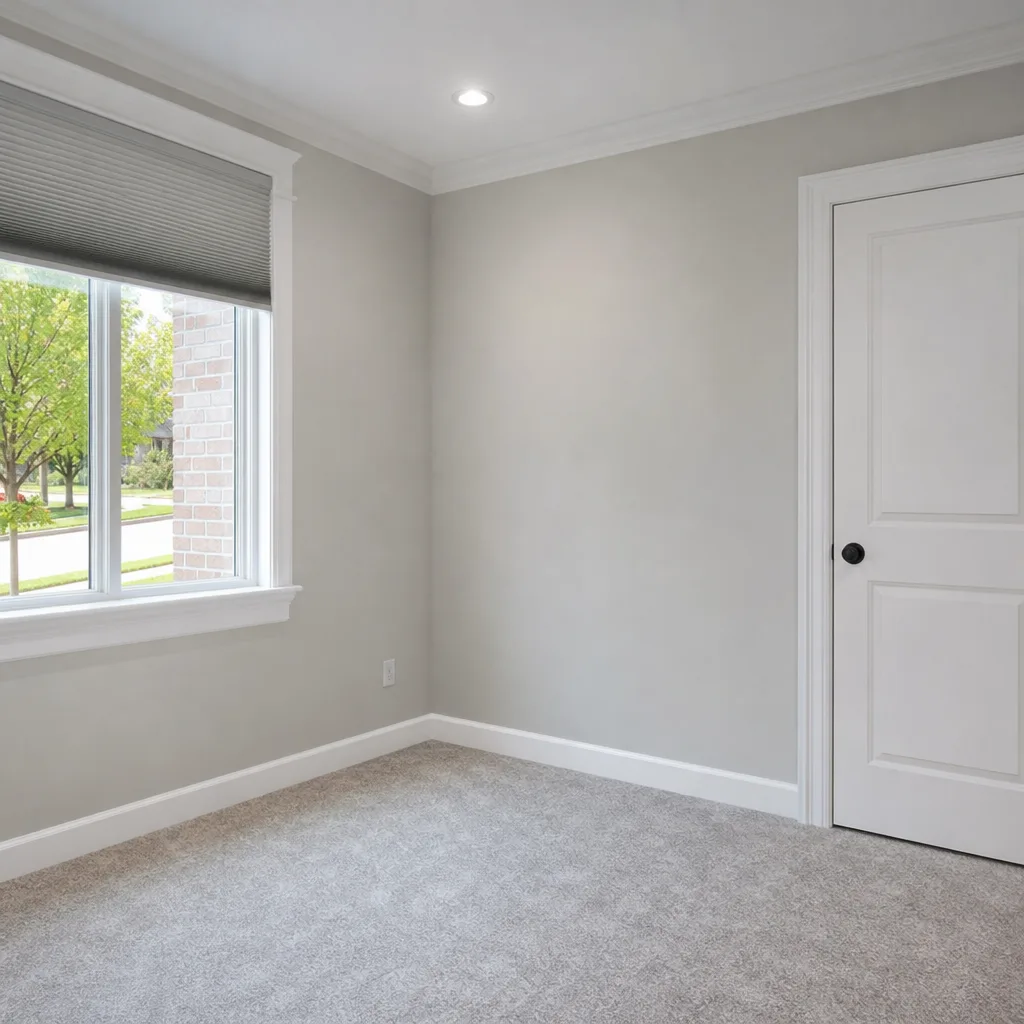
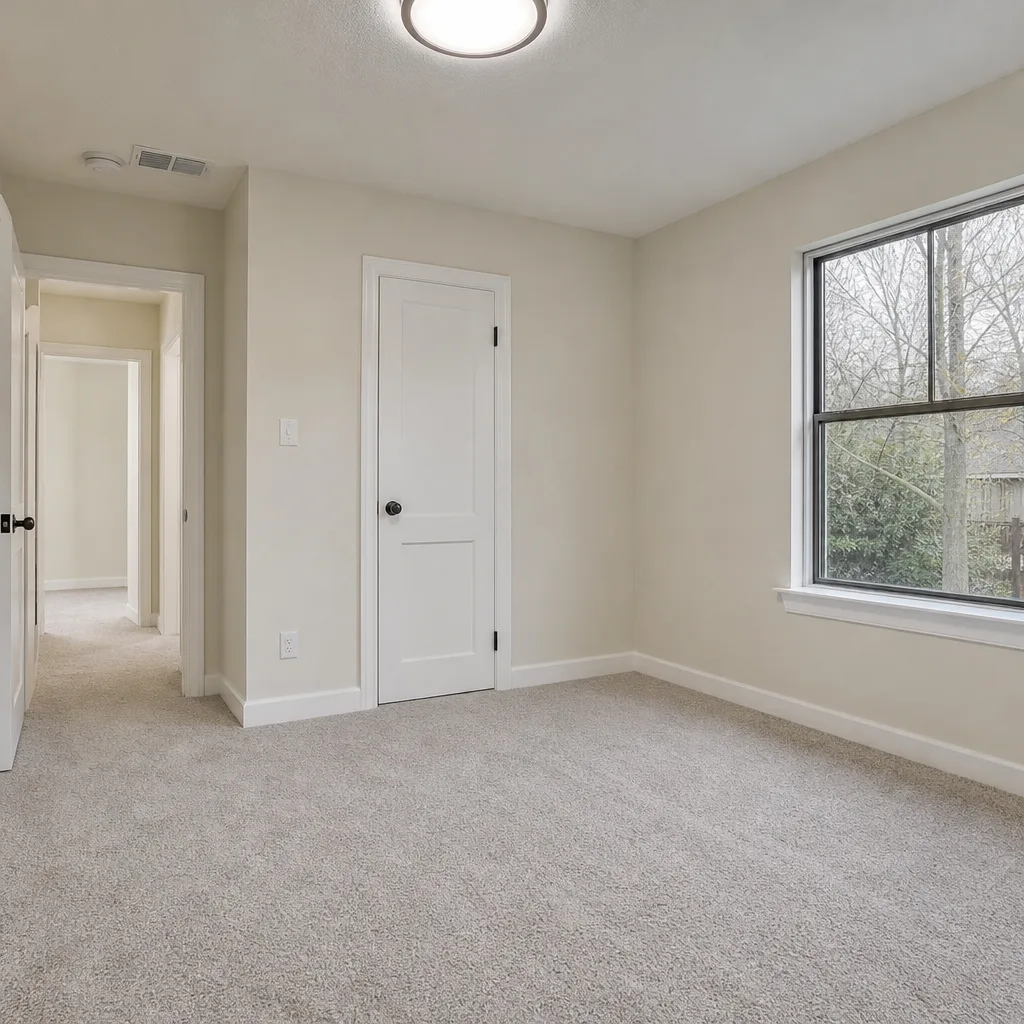
 After
After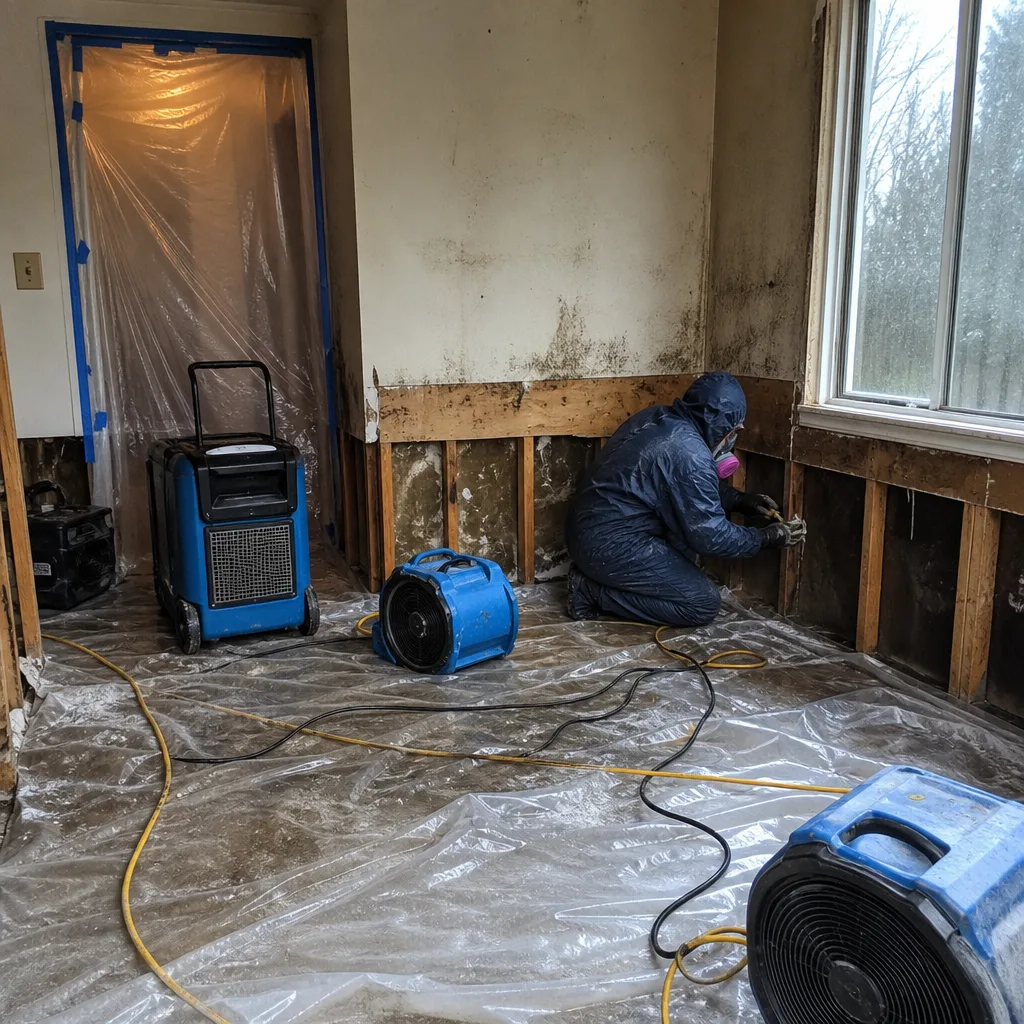 Before
 After
After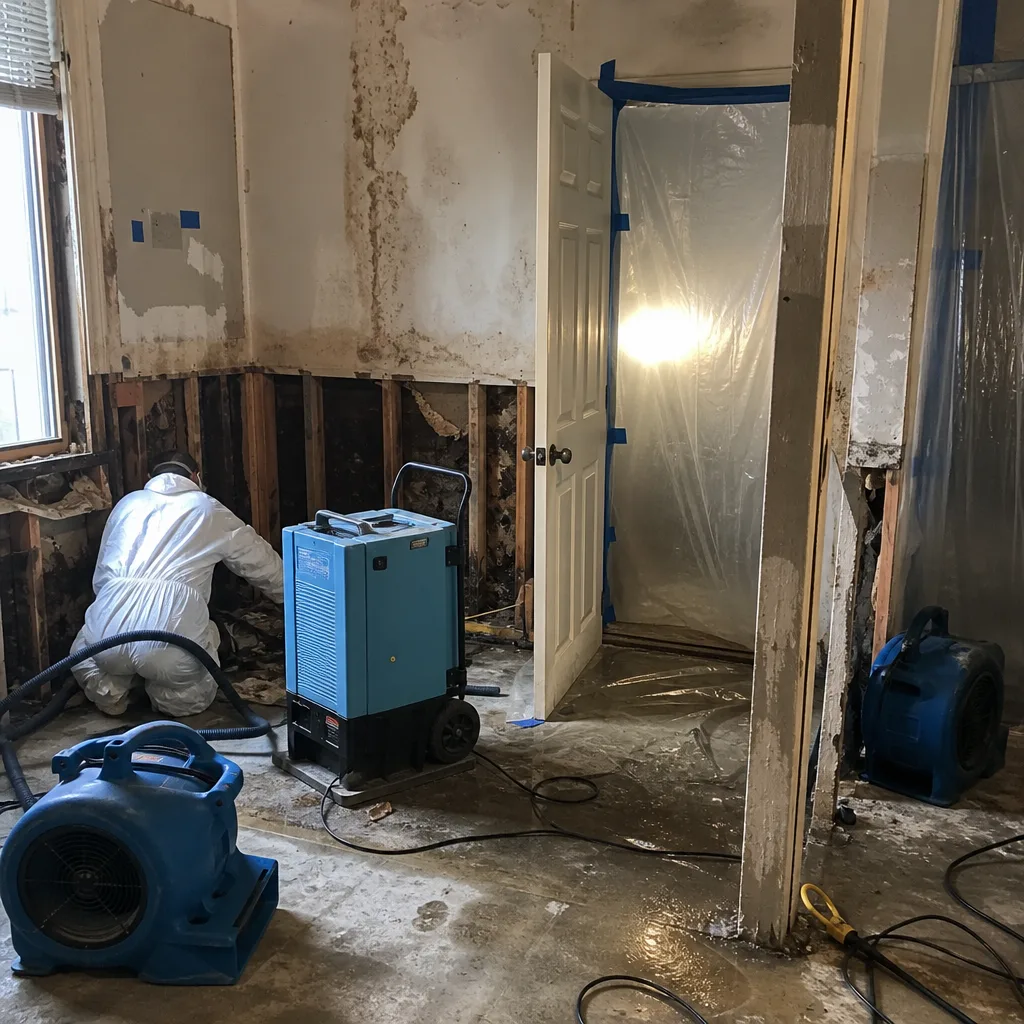 Before
 After
After