
Last updated October 16, 2026
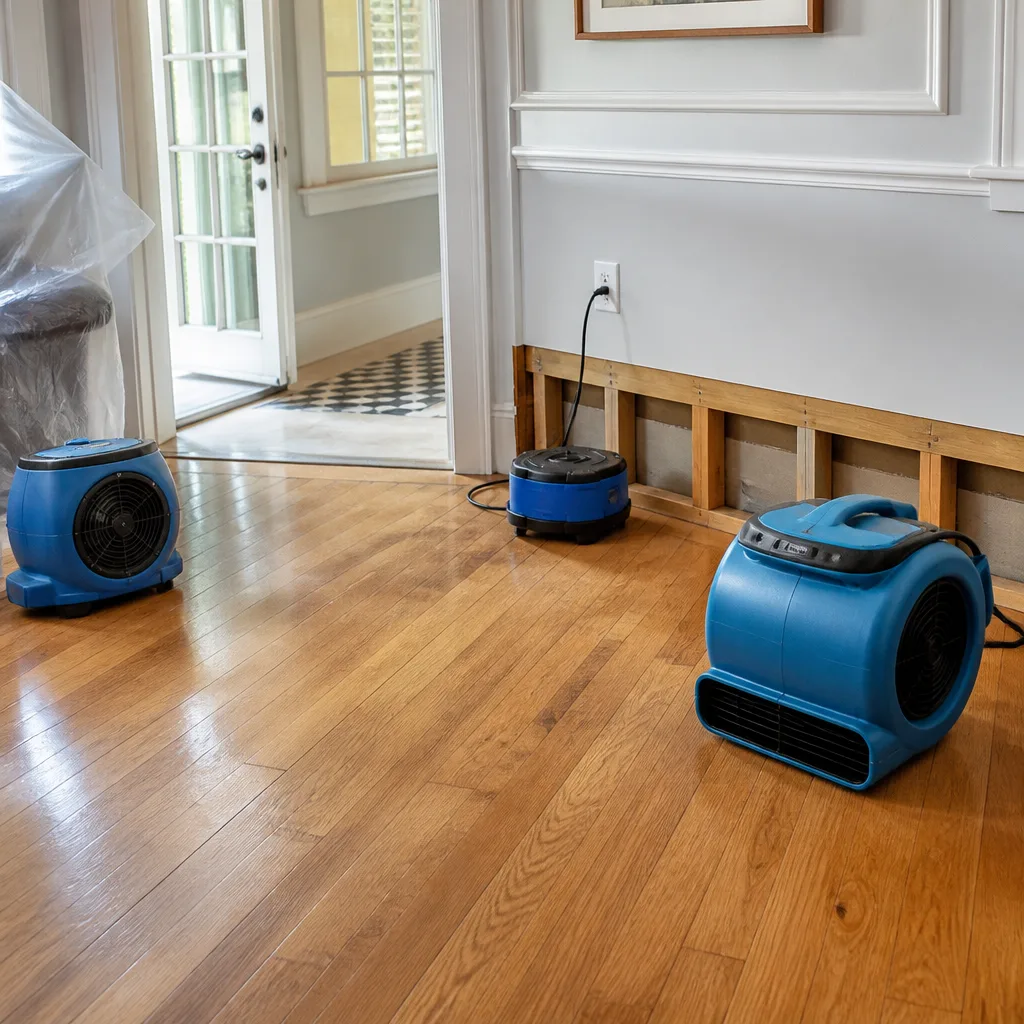 Water damage drying
 Fire & smoke cleanup
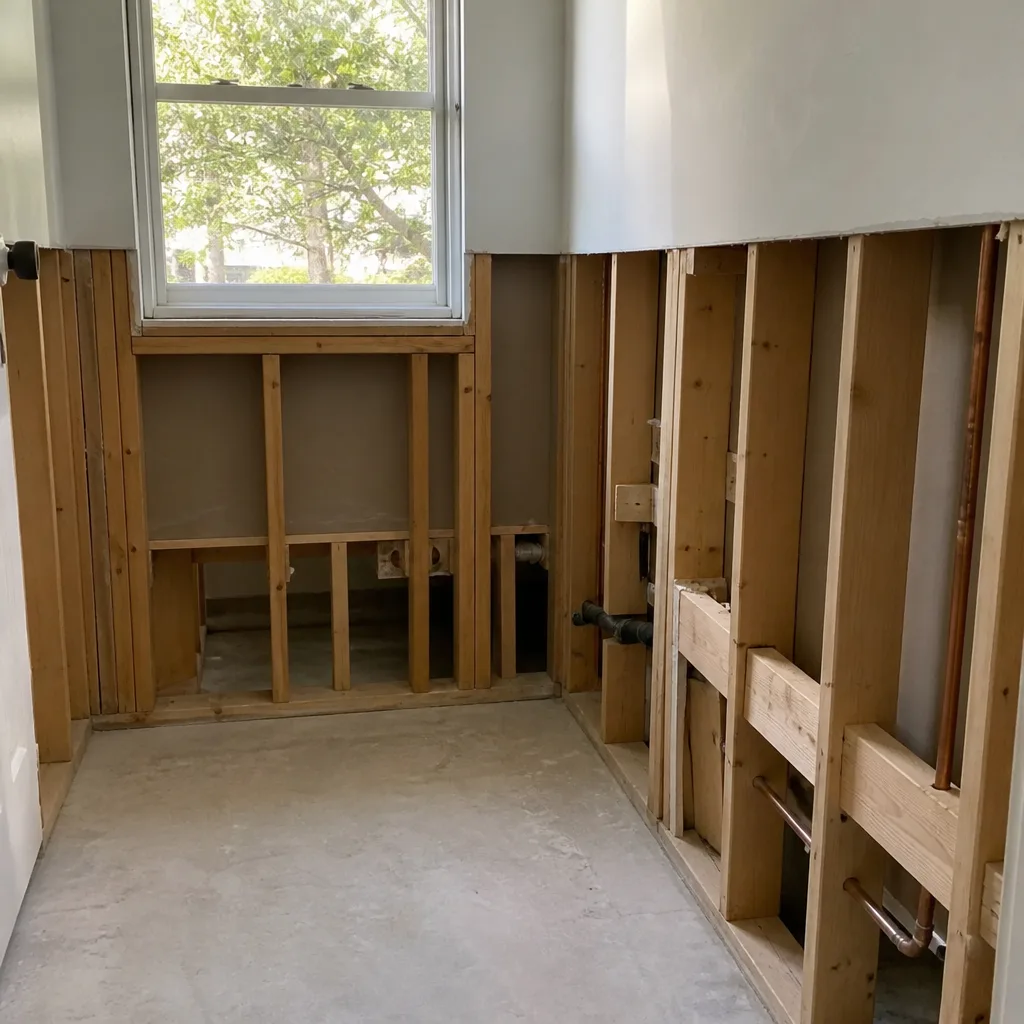 Mold remediation
 Storm response
 Sewage cleanup
 Reconstruction
Free visual inspection and a written scope of work before any mitigation begins - photos, moisture readings, and drying logs go in your claim file
The scope we write is the scope we bill. Anything new gets shown to you, in writing, before we touch it.
Get your free estimateDamage Restoration Warning Signs: A Dallas Homeowner’s Reference Guide
The most expensive water damage in Dallas homes isn’t the dramatic pipe burst that floods a living room in minutes. It’s the slow, invisible leak that the house has been quietly signaling for months through symptoms most homeowners dismiss as normal aging. This guide teaches you to read those signals correctly, with specific descriptions of what each warning sign looks like in Dallas construction types, from slab foundations to pier-and-beam to the brick veneer you see across neighborhoods like Lakewood, Preston Hollow, and East Dallas.
Quick Answer
Water damage warning signs in Dallas homes fall into five categories you can check yourself: visual stains and buckling, persistent odors, unexplained utility bill spikes, structural cracks that appear suddenly, and baseboard or flooring separation. If a sign is growing, wet to the touch, or accompanied by a musky smell, it signals an active leak that needs professional assessment within 48 to 72 hours before mold establishes.
Restoration work we handle
Table of Contents
- Reading Ceiling Stains: What Color, Location, and Texture Reveal
- Floor Buckling and Cupping: A Slab Foundation Problem in Disguise
- Baseboard Separation and Warped Trim: The Overlooked Early Signal
- Smell as a Diagnostic Tool: Musty, Sulfurous, and Metallic Odors
- Dallas-Specific Structural Signals: Stair-Step Cracks and Diagonal Drywall Cracks
- Utility Bill Spikes: How to Use Your Water Meter to Find a Hidden Leak
- When to Watch and Wait vs. When to Call: A Decision Tree
- Common Mistakes to Avoid
- When to Call a Professional
- Frequently Asked Questions
Reading Ceiling Stains: What Color, Location, and Texture Reveal
A ceiling stain is not just a stain. It’s a message from inside the structure, and the color, location, and texture of that stain tell you exactly what kind of problem you’re dealing with. In Dallas homes built on slab foundations, ceiling stains typically point to roof leaks, AC condensate line backups, or plumbing runs that travel through the attic. In pier-and-beam houses common to older East Dallas and Oak Cliff neighborhoods, the same stain can mean a supply line running through the ceiling cavity.
Brown stains with a ring or halo are the classic sign of an intermittent leak. The ring pattern forms because water pools, dries, then pools again, depositing sediment at the edge of each drying cycle. If the brown stain is dry and hard to the touch, the leak may have stopped, but the staining itself means water sat in that ceiling cavity long enough to soak through drywall. If the stain is soft, damp, or has a chalky white residue at the edges, the leak is likely active.
Yellow-green stains are different. That color indicates water that has mixed with adhesives or resins from the building materials themselves, common in older Dallas homes built before modern drywall standards. This type of stain nearly always means an ongoing, slow drip that has saturated the material over weeks or months, not days.
Location matters more than most homeowners realize. A stain directly under an upstairs bathroom signals a toilet wax ring or tub drain. A stain near an exterior wall points to roof flashing or gutter overflow. A stain in the center of a ceiling with no obvious source above it is often an AC condensate line that has clogged, especially common during Dallas summers when the system runs constantly and traps dust and algae.
One thing we’ve seen repeatedly in Dallas homes across the metro: a small stain that appears in winter and disappears by June. Homeowners often write it off. What’s actually happening is a roof leak that only opens when storms track through, then seals when the heat expands the shingles. By the time the stain becomes permanent, the plywood decking above has begun to rot.
Floor Buckling and Cupping: A Slab Foundation Problem in Disguise
Dallas sits on expansive clay soil. That single fact explains more water damage symptoms than any other. When clay gets wet, it swells. When it dries, it shrinks. Your home’s slab foundation sits directly on that clay, and every time the soil moves, the slab moves with it. The first sign that water is pooling around or under your slab is often not a crack in the foundation itself. It’s the flooring.
Cupping on a wood floor looks like each plank has a slight U shape: the edges are higher than the center. This happens when the bottom of the plank absorbs moisture from below, expanding against the constraint of the upper surface. In Dallas homes with hardwood floors laid directly on concrete slabs, cupping is almost always a moisture issue: either a slab leak, a plumbing leak under the floor, or high subfloor humidity from poor exterior drainage.
Buckling is more severe. The floor planks physically lift off the substrate, creating a ridge or peak you can feel underfoot. Buckling means the wood has absorbed enough moisture to expand beyond what the fasteners can hold. This is not a cosmetic issue. By the time a floor buckles, the moisture has been present for weeks or months, and mold is frequently already developing in the subfloor cavity.
Tile floors on slab foundations show water damage differently. A hollow sound when you tap a tile means the mortar bond has broken, often because moisture intrusion shifted the slab or degraded the adhesive from below. Cracks that run in a straight line across multiple tiles in a row along a plumbing pathway are a strong signal of a slab leak.
In Dallas specifically, pay attention to flooring changes that follow seasonal patterns. The wet spring and dry summer cycle causes clay soil movement every year, and some seasonal shifting is normal in older homes. What is not normal is flooring that buckles toward fall but doesn’t settle back. That persistent movement signals water is collecting somewhere it shouldn’t, and the slab is reacting to it.
Baseboard Separation and Warped Trim: The Overlooked Early Signal
Baseboards are the canary in the water damage coal mine, and most homeowners never notice them until the problem has spread. The joint where the baseboard meets the wall, and the gap where the baseboard meets the floor, are the two places water damage announces itself earliest in Dallas homes.
When a baseboard pulls away from the wall, leaving a visible crack along the top edge, it’s because the drywall behind it has absorbed moisture and expanded. Wood baseboards do not bend. They stay rigid while the wall moves around them. A hairline gap along the top of a baseboard that appears suddenly, especially on an interior wall nowhere near an exterior drain, is a red flag for an active leak inside the wall cavity.
Baseboard separation at the bottom is different. If the baseboard lifts off the floor, leaving daylight underneath, water on the floor is the usual cause. The bottom edge of the baseboard absorbs the standing water, swells, and warps upward. In Dallas homes with slab foundations, a warped baseboard in a room with no visible water source points directly to a slab leak traveling under the flooring toward that wall.
Here’s a simple test we recommend to every Dallas homeowner: run your finger along the top edge of every baseboard in the room where you suspect a problem. If paint is bubbling, flaking, or feels tacky, water has been present inside that wall. Paint doesn’t bubble in the absence of moisture. If the baseboard itself feels soft when you press a fingernail into it, the wood has already started to rot, and that means the water has been there long enough to support biological growth.
Smell as a Diagnostic Tool: Musty, Sulfurous, and Metallic Odors
A musty smell that appears only when the AC runs is not “just the AC.” It is the smell of biological growth inside a duct system or air handler being dispersed through every room in the house each time the fan cycles. Smell is one of the most reliable diagnostic tools a homeowner has, and each odor class points to a different source.
Musty or earthy odor is the scent of microbial activity: mold, mildew, or bacteria consuming organic material. In Dallas, where humidity routinely sits above 60% for months at a time, this smell most often develops in AC ducts, air handler closets, and walls where condensation or a slow leak keeps material damp. The smell is strongest when the system first kicks on because the fan pushes the accumulated odor through the vents all at once. If the musty smell is localized to one room, the source is in that room’s walls or floor. If it’s throughout the house, it’s in the HVAC system itself.
Sulfurous or rotten egg odor is sewer gas. This is not water damage in the traditional sense, but it is a water system failure that requires same-day action. The sulfur smell comes from hydrogen sulfide produced by decomposing waste in a drain line. A dried-out P-trap under a rarely used sink or bathtub can let sewer gas back into the home. A broken vent pipe, a cracked drain line under a slab, or a failed wax ring on a toilet can too. In Dallas pier-and-beam homes, sewer gas can also enter through crawl space vents if a drain line has separated beneath the house.
Metallic or sharp chemical odor is the least common but most specifically diagnostic. Copper pipes corroding inside a wall or slab produce a metallic tang in the air. A sharp, almost chlorine-like smell can indicate a refrigerant leak from an AC line. And some mold species in Dallas produce volatile organic compounds that smell damp and slightly sour, which homeowners sometimes describe as “like old garbage.” Each of these demands professional attention, but the sulfur smell is the one that should get a call placed the same hour it’s noticed.
Dallas-Specific Structural Signals: Stair-Step Cracks and Diagonal Drywall Cracks
Dallas homes face a unique set of structural forces, and some of the earliest water damage warnings show up in the structure itself. Foundation movement in this region is driven by expansive clay soil, and when water patterns change around a home, the foundation responds. Learning to read these cracks correctly can save tens of thousands of dollars in repairs.
Stair-step cracks in brick veneer are a signature of differential foundation settlement. The crack follows the mortar joints in a step pattern because mortar is weaker than brick. In Dallas, where most homes built before the 1990s have brick veneer over wood framing, these cracks often appear when one corner of the slab sinks. The cause of the sinking is frequently water-related: a gutter that dumps water at the foundation corner, a drain line that has been leaking under the slab, or a sprinkler head soaking the same patch of soil daily. A stair-step crack that is a hairline width and does not grow may be decades-old settlement. A stair-step crack that widens seasonally or after heavy rain is active movement happening right now.
Diagonal drywall cracks near door frames point to frame racking: the wall is being pulled or compressed. In Dallas homes, these cracks most often appear at interior doorways where a load-bearing wall meets a ceiling line. The water connection is indirect but real. When a slab leak undermines the soil beneath one section of the foundation, the house shifts, and the drywall at stress points cracks along the diagonal. Unlike horizontal or vertical drywall seams that simply separate from movement, diagonal cracks at corners and door frames indicate the structure is actively working against itself.
We’ve walked through dozens of Dallas homes where the homeowner noticed a door that suddenly wouldn’t latch, called it “just the house settling,” and ignored it for a year. In many of those cases, the root cause was a plumbing leak under the slab that had been softening the clay soil enough to shift the foundation. The door was the first signal. By the time the crack in the brick veneer appeared, the leak had been running for months.
Utility Bill Spikes: How to Use Your Water Meter to Find a Hidden Leak
Your water bill is a diagnostic tool, and in Dallas it’s one of the most underused early warning systems a homeowner has. The average American household uses between 80 and 100 gallons of water per person per day. A slow leak, even one that loses only a gallon an hour, adds 720 gallons a month, which is roughly the same as running a bathroom faucet continuously for five days. The water itself is only part of the cost. The damage it does to the structure is where the real expense piles up.
To check for a hidden leak, follow these steps:
- Turn off every water-using fixture and appliance in the house: faucets, ice makers, washing machines, irrigation systems, toilet fill valves. This includes turning off the water supply to toilets, not just closing the lid.
- Find your water meter. In Dallas, it’s typically in a concrete box near the street or in the front yard. Open the lid and wipe the meter face clean.
- Record the exact reading, including the small dial or digital leak indicator if your meter has one.
- Wait 15 minutes without using any water.
- Read the meter again. If the reading has changed, water is moving through the system somewhere, and since you turned everything off, that water is going where it shouldn’t.
- Check the leak indicator. Many Dallas meters have a small triangle or gear that spins when even tiny amounts of water pass through. If that indicator is moving with all fixtures off, you have a leak.
If the meter moved, the next step is isolating whether the leak is inside or outside. Turn off the main shutoff valve where water enters the house, usually near the water heater or where the supply line penetrates the exterior wall. If the meter still moves with the house shutoff closed, the leak is in the service line between the meter and the house, which is the homeowner’s responsibility in most Dallas neighborhoods. If the meter stops moving, the leak is inside the home.
Then compare your current bill to the same month last year, not just the previous month. Dallas watering patterns vary dramatically by season, and a June bill with heavy lawn irrigation is not comparable to a February bill. A sustained increase of 20% or more above the same month a year ago, with no change in household size or watering habits, is worth investigating. We’ve seen Dallas homeowners catch slab leaks before any visible damage appeared simply by noticing a water bill that had crept up $30 a month for three consecutive months.
When to Watch and Wait vs. When to Call: A Decision Tree
Not every water stain requires a restoration crew, and spending money on a professional when you don’t need one stings. But the opposite mistake, waiting too long, is far more expensive. The cost of water damage restoration in Dallas rises dramatically once mold establishes, which typically happens 48 to 72 hours after the material stays wet. Here’s the decision framework we use with our own families.
Watch and wait if: the stain is dry and hard to the touch, has not grown in six months, the water source has been identified and repaired, and there’s no odor. Old inactive damage, once the source is fixed, may only need cosmetic repair when the homeowner is ready to tackle it. Document the stain with a photo and check it monthly. If it stays stable, you’re safe.
Call a professional within a week if: the stain is dry but spreading, the water source is unknown, or the surface is showing new changes like peeling paint or softness at the edges. A spreading stain with no active water source means moisture is trapped inside the wall or ceiling cavity and is slowly degrading the material. This will not resolve on its own.
Call same-day if: the floor or wall is actively wet, water is dripping, you smell sewer gas, or a ceiling is sagging or bulging. A sagging ceiling means water has accumulated in the cavity above and the drywall has lost structural integrity. It can collapse without warning and bring insulation, contaminated water, and debris down with it.
For mold specifically, the threshold is simple. If you see mold covering an area larger than a standard sheet of printer paper, or you smell mold but cannot see it, you need professional assessment. Surface mold on a shower tile you can clean yourself with the proper protective gear. Hidden mold behind walls, under floors, or in ductwork requires specialized equipment and containment protocols, which is where mold remediation in Dallas becomes necessary. Dallas humidity makes hidden mold a genuine health concern, not just a structural one.
Common Mistakes to Avoid
- Painting over a ceiling stain without fixing the water source. The stain will come back, and worse, the trapped moisture behind the paint accelerates mold growth. In Dallas humidity, a painted-over wet ceiling becomes a mold farm inside two weeks.
- Assuming a slow-draining floor drain is just a clog. In slab foundations, a floor drain that gurgles or backs up can mean a cracked drain line under the slab, and water is leaking into the surrounding soil every time you use that drain.
- Trusting a “dry” feeling surface as proof the inside is dry. Drywall and wood can feel dry to the touch while retaining 20% or more internal moisture content, which is enough to support microbial growth. Only moisture meters can tell you the truth.
- Running a standard box fan to dry a water-damaged room. This works for a spilled glass of water. It does not work for water that has soaked into drywall, baseboards, and subfloor. In fact, it can spread mold spores through the house by pushing humid air into wall cavities.
- Waiting through the weekend on a slow leak. In Dallas summer temperatures, a small leak inside a wall cavity creates a warm, humid microclimate ideal for mold growth. Every hour matters.
- Filing an insurance claim before assessing the scope. Some Dallas homeowners file a claim for a small leak, discover the repair cost falls below their deductible, and end up with a claim on their record for nothing. Get a written damage assessment first.
When to Call a Professional
If you’ve found a sign that is spreading, wet, smelly, or connected to your foundation, call someone who does this work every day. A professional assessment costs less than the repair you’ll need in six months if the problem is active and ignored. Marsh Water Damage Dallas offers free estimates throughout the Dallas metro, and we’ll tell you honestly whether you need full restoration or just a targeted repair. Call (432) 529-4284 and a live person answers, day or night.
Frequently Asked Questions
The most common warning sign in Dallas homes is a slow leak under a slab foundation that shows up first as baseboard separation, a water bill spike, or a door that suddenly won’t latch. Slab leaks account for a substantial share of the water damage we see in this market, tied to Dallas’s expansive clay soil and the stress it puts on under-slab plumbing lines. If you notice any two of these three signs together, call for an assessment. (432) 529-4284
Check the surface with three simple tests. First, touch it: an active leak leaves the drywall soft, cool, or damp. Second, look at the edges: active stains have soft, diffuse edges while old stains have hard, defined lines. Third, mark the border with a pencil and photograph it. If the stain crosses that pencil line within a month, the water is still moving. Old stains are dry, hard, and stable. If you’re unsure, a professional can measure moisture content in the material with a meter and give you a definitive answer in about ten minutes.
Water damage smells musty or earthy when mold and mildew are present, sulfurous when sewer gas or a broken drain line is involved, and metallic or sharp when copper pipes are corroding. The musty odor is the most common in Dallas homes and becomes most noticeable when the AC kicks on and pushes air through contaminated ducts. A sulfur smell demands same-day attention because sewer gas contains hydrogen sulfide, which is a health hazard at high concentrations.
Most Dallas homeowners policies cover sudden and accidental water damage, such as a burst pipe or storm damage, but not gradual damage from a slow leak that was not addressed promptly. This is a critical distinction. If you spot a warning sign and document it, then take action, you’re far more likely to have coverage than if you ignore a slow drip for a year. Storm damage restoration in Dallas has its own specific insurance considerations, particularly for wind-driven rain and hail claims. Your restoration company should document everything with photos and coordinate with your adjuster directly.
In Dallas’s warm, humid climate, mold can begin growing on wet drywall, carpet, or wood within 48 to 72 hours, and faster during summer months when indoor humidity is already elevated. Once mold establishes, it spreads through the HVAC system quickly. That 48-to-72-hour window is why prompt extraction and drying matters so much, and why we run professional-grade drying equipment rather than hoping open windows will do the job.
It depends on how far the water traveled and how long the material stayed wet. A contained leak under a kitchen sink caught within hours often needs only extraction and drying. A slab leak that has been running for months under flooring almost always requires removal of affected materials and full remediation, because water trapped in a slab cavity does not dry on its own. A reputable company will show you moisture readings and explain exactly why the scope is what it is, before any work begins. Marsh Water Damage Dallas writes every scope in advance, in writing, before the first cut is made.
The Bottom Line
Your Dallas home tells you when it’s in trouble. The baseboard that pulls away from the wall, the water bill that climbs month over month, the door that stops latching in August, the musty smell that appears only when the AC cycles on. Each of these is a signal, not a nuisance. Reading them correctly, and acting within the 48-to-72-hour window before mold establishes, is the difference between a targeted repair and a full-scale restoration. If you see any of the active warning signs in this guide, call a professional. The estimate is free, and the earlier you act, the smaller the problem stays.
Contact Marsh Water Damage Dallas for a free estimate at (432) 529-4284. We serve the entire Dallas metro with water damage restoration, mold remediation, and storm damage restoration, with crews who arrive by name, with a photo ID badge, and with a written price in hand before any work begins.
Written by Tobias Reyner, Owner at Marsh Water Damage Dallas, serving Dallas since 2005.
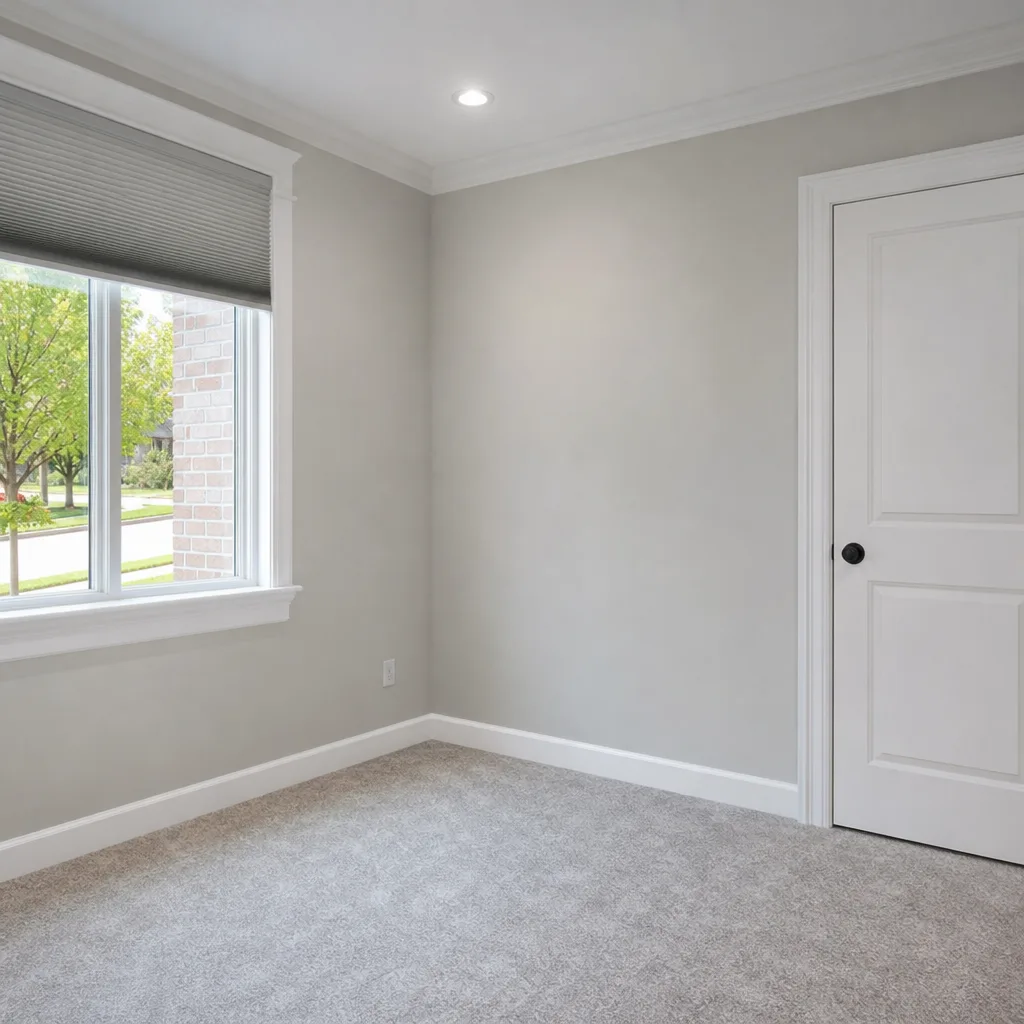
See the difference
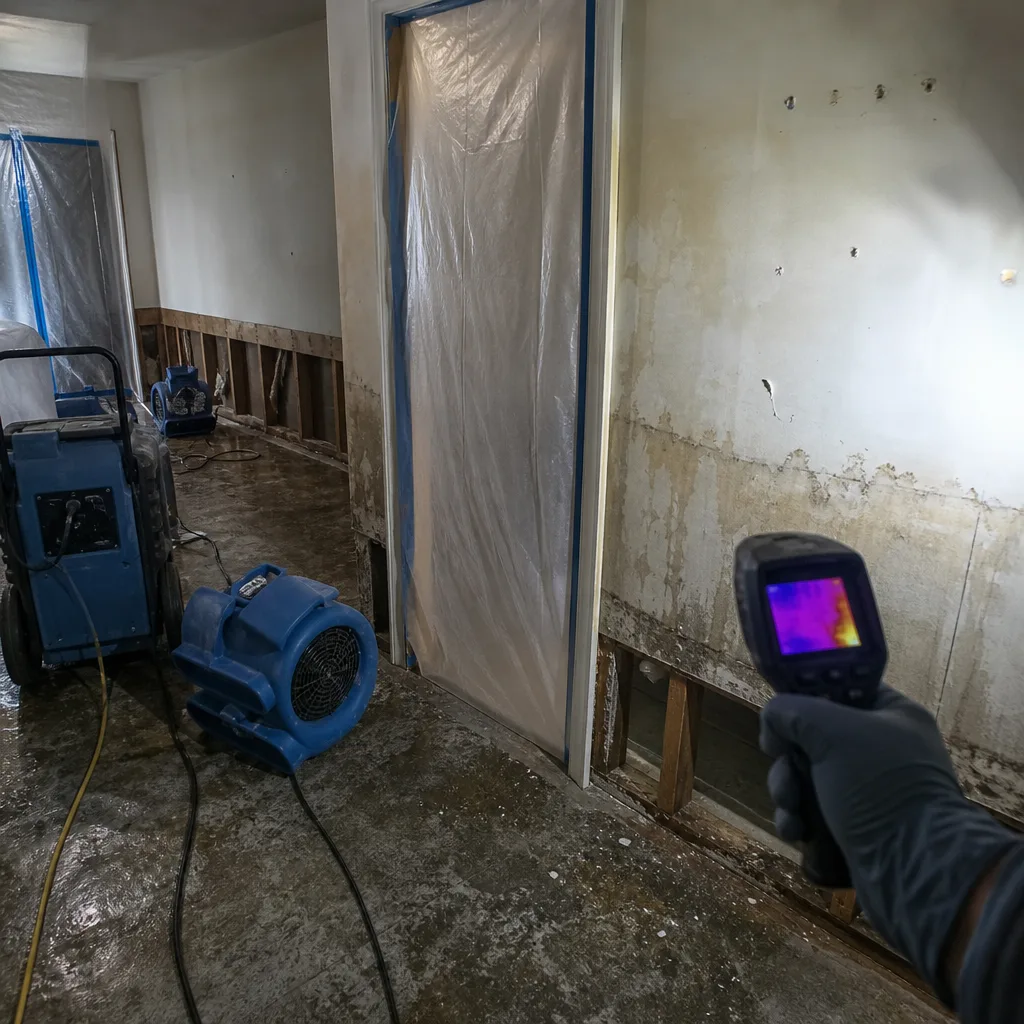 Before
 After
After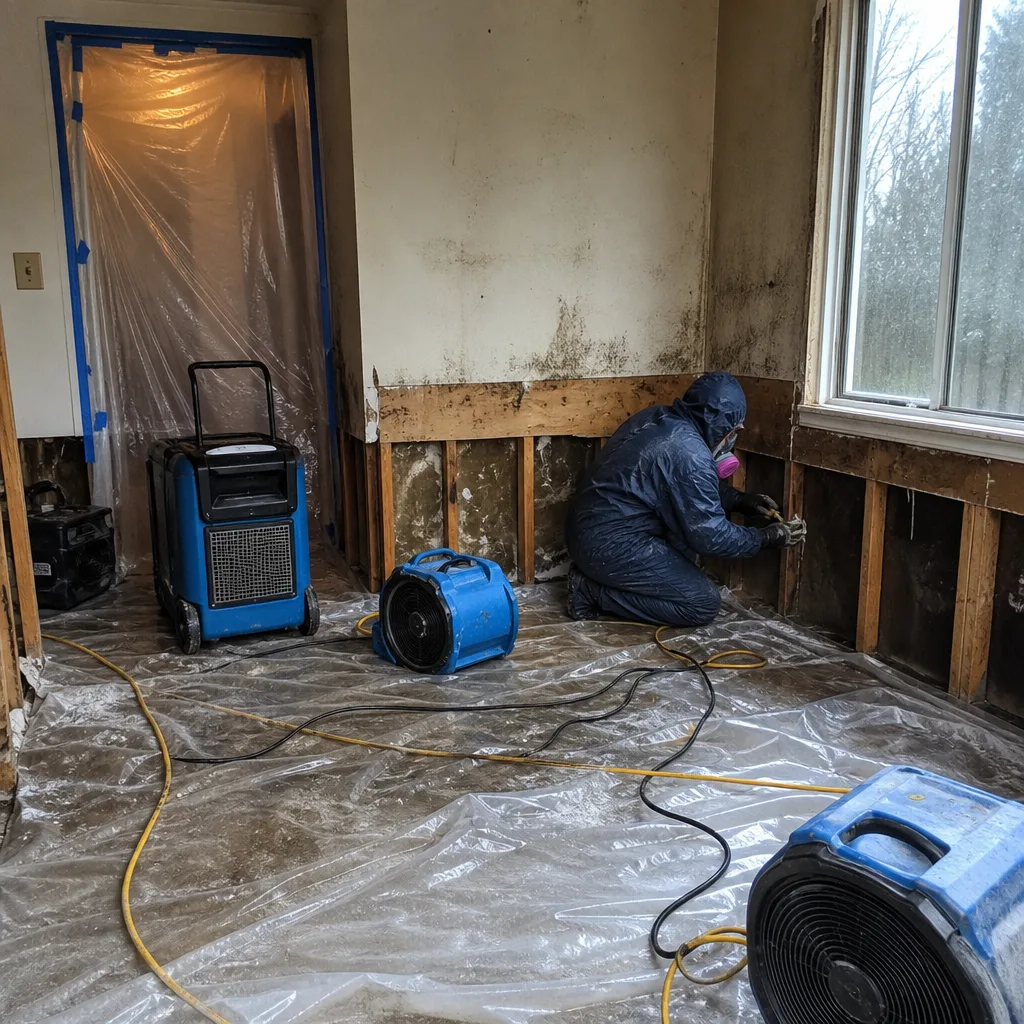 Before
 After
After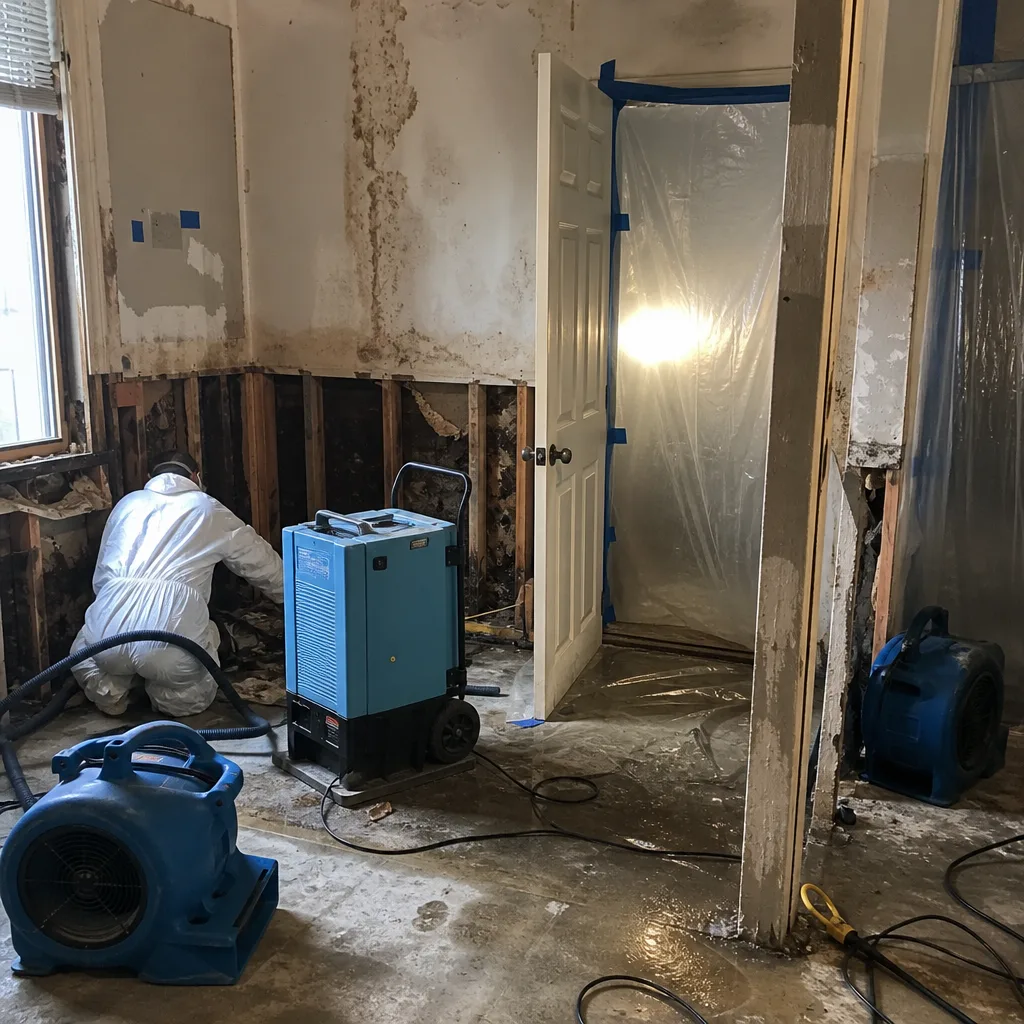 Before
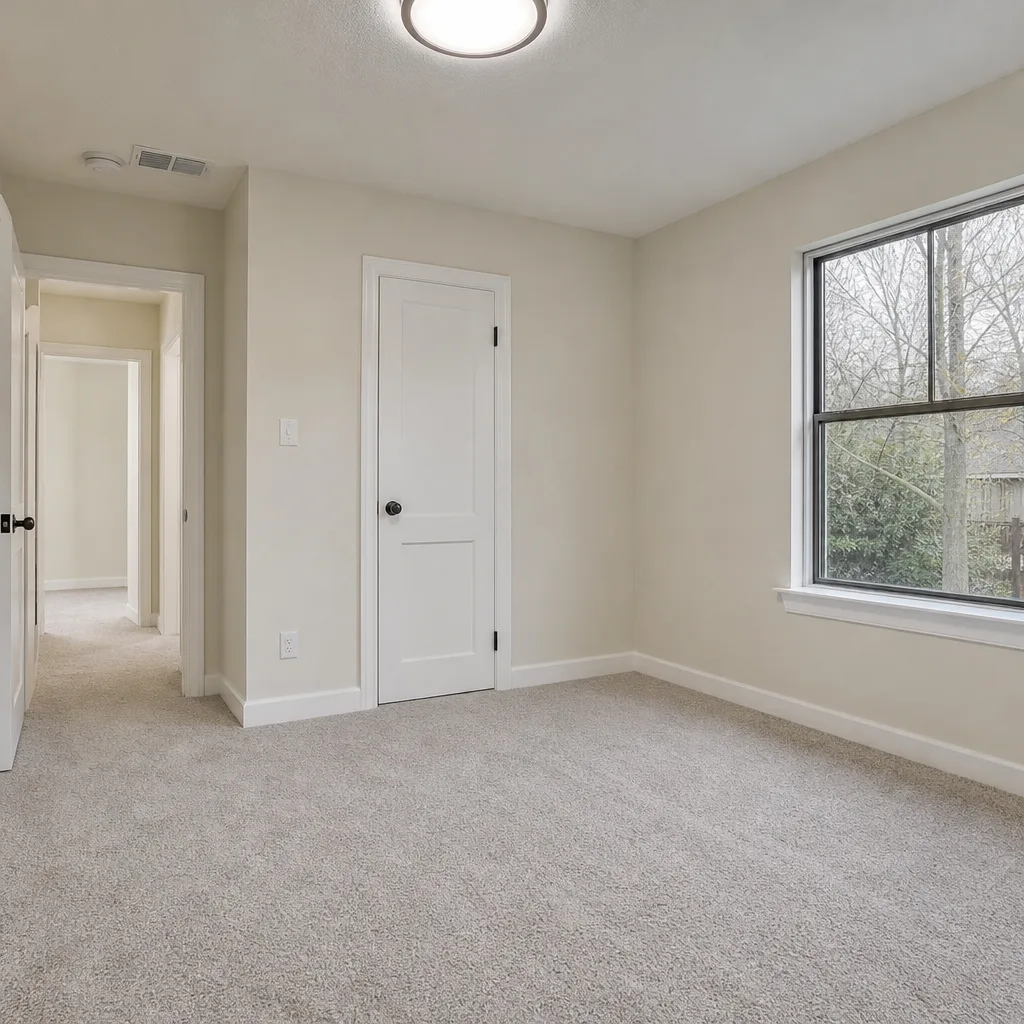 After
After