
Last updated October 16, 2026
 Water damage drying
 Fire & smoke cleanup
 Mold remediation
 Storm response
 Sewage cleanup
 Reconstruction
Free visual inspection and a written scope of work before any mitigation begins - photos, moisture readings, and drying logs go in your claim file
The scope we write is the scope we bill. Anything new gets shown to you, in writing, before we touch it.
Get your free estimateWater Damage Restoration Maintenance Checklist for Dallas Homeowners
The clay soil under Dallas doesn’t just sit there. It swells when wet and shrinks when dry, and every cycle of that movement places stress on the pipes, slabs, and foundations beneath your home. A national water damage checklist tells you to “check for leaks under sinks,” which is fine advice, but it completely misses what actually fails in Dallas homes: soil-movement cracks that quietly breach plumbing lines, HVAC condensate overflows in July, and flat-roof drainage failures during November rain. This guide replaces generic advice with a month-by-month maintenance schedule built around the specific weather, soil, and construction patterns of Dallas, Texas. For professional help, explore our Water Damage Restoration services. By the end, you’ll know exactly what to check, when to check it, and how to document your maintenance so an insurance claim never hinges on proving you weren’t negligent.
Quick Answer
A water damage prevention checklist for Dallas homeowners centers on four recurring failures: slab foundation movement from clay soil, HVAC condensate overflows from attic air handlers, gutter and drainage failures before fall rain, and pipe stress after freezes. The core maintenance rhythm is: flush AC drain lines every May, inspect slab cracks every August, clean gutters every October, and inspect exposed pipes every February. Most residential water extractions in Dallas run between $1,800 and $3,400 when a leak goes unnoticed, while the prevention steps below cost under $200 a year and take about six hours total. See Damage Restoration Cost Breakdown: The Dallas Homeowner’s Reference for 2026 for detailed pricing.
Restoration work we handle
Table of Contents
- The Dallas-Specific Monthly Maintenance Rhythm
- Pre-Summer AC Condensate Line Flush (May)
- Slab Foundation Inspection: Reading Cracks Before They Leak (August)
- Post-Freeze Pipe Inspection (February)
- Fall Gutter and Drainage Audit Before November Rain (October)
- Roof-to-Foundation Water Path: Tracing Where Rain Actually Goes
- The Printable Sign-Off Log: Documentation That Protects Your Claim
- The Secondary Drain Pan Check Most Homes Fail
The Dallas-Specific Monthly Maintenance Rhythm
Dallas weather follows a pattern that most national checklists ignore. We get long, hot, dry summers that bake clay soil into a hard, cracked shell. Then we get sudden, heavy rains that send water racing across that baked ground, looking for any crack, seam, or joint to enter. Foundation repair companies across North Texas report that soil-movement cracks spike every summer after the first significant rain breaks a dry spell. Those cracks don’t just affect your foundation. They stress the water lines running through and beneath your slab.
Here’s what that means for a maintenance schedule. You don’t check everything every month. You check specific things at the moment Dallas weather makes them most likely to fail.
Month-by-Month Overview
- January: Visual check of exposed pipes in attic and garage after any hard freeze. Look for frost buildup or weeping joints.
- February: Full post-freeze pipe inspection (detailed below). This is the month when cracks from January freezes start showing themselves.
- March: Spring rain arrives. Check window wells, door thresholds, and the soil grade around your foundation for pooling.
- April: Pre-summer gutter check. Remove spring debris before the first heavy thunderstorm season begins.
- May: AC condensate line flush and secondary drain pan check. This is the single most overlooked maintenance task in Dallas homes.
- June: Check for standing water anywhere in the yard after rain. Flag any area where water sits for more than 24 hours.
- July: Peak AC season. Inspect the area around indoor air handler for dampness, ceiling stains, or musty smells.
- August: Slab foundation inspection (detailed below). Walk the perimeter and interior, documenting every crack you find.
- September: Check sump pump if you have one, and clear debris from any exterior drains or French drain outlets.
- October: Full gutter and drainage audit before November rain season (detailed below).
- November: The wettest month in Dallas on average. After heavy rain, walk the exterior looking for ponding against the foundation.
- December: Before first freeze, disconnect and drain garden hoses. Insulate any exposed pipes in the attic or garage.
This rhythm takes about thirty minutes per month, with two deeper tasks (August slab inspection and October gutter audit) taking an hour or two each. The alternative is discovering a slab leak after four days of water running under your floors, which is how most Dallas homeowners first meet us.
Pre-Summer AC Condensate Line Flush (May)
Every Dallas summer, we get calls from homeowners who noticed a wet spot on the ceiling, a musty smell in a hallway, or peeling paint on a wall near the attic stairs. The cause is almost always the same: the AC condensate line has clogged, and the water that should be draining outside is instead overflowing inside the attic. In our experience across Dallas, this is the number one preventable source of slow ceiling leaks in homes with attic air handlers.
Your AC pulls moisture out of the air. In Dallas humidity, that’s gallons of water per day during peak summer. The water drains through a small PVC pipe leading outside. Over time, algae and debris build up inside that pipe, and when it clogs completely, the water has nowhere to go but over the edge of the drain pan and into your ceiling.
Here’s what to do each May, before the serious heat arrives:
- Find the condensate drain line. It’s the PVC pipe coming off your indoor air handler, usually running toward an exterior wall. Outside, it typically ends near the condenser unit on the side of the house.
- Check the exterior drain opening for any blockage. Wasps, dirt, and debris build up in the pipe opening over winter.
- Flush the line with a cup of white vinegar or a condensate line cleaning solution. Pour it slowly into the drain opening at the air handler, not from outside in. Vinegar dissolves the algae that causes most clogs.
- If water doesn’t flow freely through, use a wet-dry vacuum at the exterior drain opening to pull the clog out. Do this before the line backs up completely.
- Check the secondary drain pan. This is the metal or plastic pan underneath the air handler. If it’s holding water, your primary line is already partially clogged, and you need to address it immediately.
If you skip this step and the line clogs in August, the damage isn’t just the water on your ceiling. It’s the days of moisture in your attic, which in Dallas heat becomes a mold remediation project faster than most homeowners realize.
Slab Foundation Inspection: Reading Cracks Before They Leak (August)
Dallas doesn’t have basements. We build on slab foundations, and those slabs sit directly on clay soil. Clay soil is the defining geological feature of North Texas, and it moves. When the ground dries out in July and August, clay shrinks and pulls away from the slab edges. When rain returns, the clay swells and pushes against the slab. This annual cycle of shrink and swell is why Dallas has more foundation repair companies per capita than almost any city in America.
But foundation cracks aren’t just a structural problem. When a slab shifts, the water pipes running through it shift too. Cast iron pipes crack. Copper pipes kink. PVC joints loosen. And then water starts leaking under your floor, where you can’t see it, for weeks or months before the signs become obvious.
August is the ideal month for a slab inspection because the ground is at its driest and any movement that happened over the summer is fully visible. Here’s what to look for:
- Walk the exterior perimeter of the home. Look for cracks in the exposed slab edge wider than 1/8 inch. A hairline crack is usually cosmetic. A crack you can fit a dime into deserves attention.
- Look at the soil line against the slab. If you see a gap between the soil and the concrete, that’s shrinkage, and it means water from the next rain will run straight down along the slab edge.
- Inside, check for diagonal cracks above door frames and windows. These aren’t always caused by foundation movement, but in Dallas, foundation movement is always the first suspect.
- Watch for doors that stick in summer but close fine in other seasons. That seasonal change is the slab moving under your walls.
- Check the area around any floor drains or plumbing penetrations for hairline cracks radiating outward. These are high-stress points where slab movement concentrates.
When we find water damage in a Dallas home that wasn’t caused by an appliance or a storm, it’s usually a slab leak that started as a crack no one documented. The best defense is knowing what your slab looks like when it’s healthy, so you can spot the change when it happens.
Post-Freeze Pipe Inspection (February)
Dallas freezes. Not every winter, but often enough that every Dallas homeowner should treat January and February as pipe-inspection season. The freezes here are different from northern freezes. Our homes aren’t built for sustained cold the way Minnesota homes are. Pipes run through attics and exterior walls with minimal insulation, which works fine 360 days a year and fails spectacularly on the five days it doesn’t.
The failure mode is specific. Water freezes inside a pipe, expands, and creates a hairline crack or a loosened joint. The crack doesn’t leak while the water is frozen. It leaks days or weeks later, when the ice melts, and then you have water running inside a wall or ceiling cavity with no visible source.
February is the month to catch these failures, because the thaw after a freeze reveals what the freeze damaged. Here’s the inspection routine:
- Turn off anything that makes noise in the house and listen. A slow pipe leak in a wall makes a faint hiss or drip that’s audible in a quiet room.
- Check your water meter. Note the reading, leave all water off for two hours, and check again. If it moved, you have a leak somewhere.
- Inspect every exposed pipe you can access: under sinks, in the garage, in the attic, behind washing machines. Look for any sign of moisture, mineral staining, or white frost residue (calcium deposits left by evaporating water).
- Check ceilings beneath bathrooms and the kitchen for any new discoloration. A slow attic pipe leak shows up as a faint yellow or brown ring on the ceiling well before it becomes a drip.
- Feel the walls in rooms that share plumbing walls. A damp or cold patch on drywall, especially after a thaw, is a leaking pipe behind the wall.
If you find evidence of a leak, the worst thing you can do is wait to see if it gets worse. Water inside a Dallas wall cavity in March will have mold growing in it by April. The right move is to call us for a water damage restoration in Dallas inspection immediately, before the damage spreads from a pipe repair into a full remediation job.
Fall Gutter and Drainage Audit Before November Rain (October)
November is statistically the wettest month in Dallas, and the rain arrives after six months of hot, dry weather that has filled gutters with debris and baked the soil around foundations into a cracked, shrunken shell. That combination means water that should flow away from your house instead pools against the slab, and water that pools against a slab in Dallas eventually finds its way in.
The October gutter audit is the most important single maintenance task on this list. Here’s the step-by-step:
- Clean every gutter. Remove leaves, twigs, and the fine grit that accumulates on Dallas roofs and washes down. A gutter that’s even half-clogged overflows during a heavy November downpour, and that overflow goes straight down the exterior wall and against the foundation.
- Check every downspout. Make sure it’s still attached, not rusted through, and that the water exits at least four feet from the foundation. Splash blocks and downspout extenders are cheap insurance that moves thousands of gallons of water away from the slab.
- Walk the perimeter of the house during a rain shower or run a hose down the gutters and watch where water exits. Look for any area where water pools against the slab or where the soil has eroded, creating a channel that directs water toward the house.
- Check the soil grade around the foundation. The soil should slope away from the house at about six inches of drop over the first ten feet. If the grade has settled, or if previous landscaping has created a depression against the slab, water will collect there.
- Inspect basement-adjacent window wells if you have them, and clear any debris that would trap water.
Dallas gets most of its annual rainfall in two seasons: spring thunderstorms and late-fall frontal systems. The October gutter audit addresses the fall rain. The April check addresses the spring storms. Skipping either is how homes that never had water problems suddenly do.
Roof-to-Foundation Water Path: Tracing Where Rain Actually Goes
Every drop of rain that hits your Dallas roof takes a path. That path starts at the roof surface, moves through gutters or down the roof slope, exits through downspouts or over the roofline, lands on the soil, and then travels across or through the ground depending on the soil’s slope and composition. The path works when the water ends up flowing away from the foundation. It fails when any link in that chain breaks.
In Dallas, the critical factor is the clay soil. Clay absorbs water slowly. During a heavy downpour, the soil reaches saturation quickly, and after that, additional rain runs across the surface rather than soaking in. If your lot grades toward the house, even slightly, that surface flow runs straight against the slab. And once water is against the slab, it will find a way in, whether through a crack, a pipe penetration, or simply by wicking through the porous concrete.
Here’s how to trace the water path on your property:
- Start at the roof edge. Note which sections of the roof drain to which downspouts, and verify every section has a functioning gutter system. Roof valleys concentrate water flow and are where gutters fail first.
- Follow each downspout to its exit point. Confirm the water actually exits where you think it does. A downspout that’s rusted through at the bottom dumps water against the foundation even if the gutter is clean.
- Look at the soil surface between the downspout exit and the nearest drainage point (street, alley, or swale). If the water has to travel uphill at any point, it won’t. It will pool.
- Check flat-roof areas specifically. Many Dallas homes have flat or low-slope roof sections over additions, porches, or carports. These sections drain through interior roof drains or scuppers, not gutters, and they clog more easily than pitched roofs. A clogged roof drain on a flat roof during a November downpour is a guaranteed interior leak.
- Mark any area where water pools for more than 24 hours after rain. These are the spots where you may need to add soil grading, French drains, or surface drains.
When we perform a storm damage restoration in Dallas after a heavy rain event, the root cause is almost never “the storm was too big.” It’s that water found a path into the house that existed before the storm, and no one had traced the path until the water was already inside.
The Secondary Drain Pan Check Most Homes Fail
If your home has an attic air handler, there’s a metal or plastic pan under it designed to catch water if the primary drain line fails. That pan is the last line of defense between your AC and your ceiling. In most Dallas homes we inspect, that pan has never been checked. Not once. Since the home was built.
The problem is that the secondary pan only works if three things are true: the pan itself is intact, the secondary drain line from the pan is clear, and the float switch (the safety device that shuts off the AC when the pan fills) is functional. In our experience, at least one of those three has failed in a large percentage of Dallas homes, which means the pan would give you a false sense of security while water pours over the edge.
Here’s the check, once per year in May, before the AC becomes a daily appliance:
- Access the attic or wherever your air handler is located. Bring a flashlight and a phone for photos.
- Look at the secondary pan’s current condition. Is it dry? Is it clean, or is it full of debris that would clog the secondary drain line? Is there rust or corrosion, which means water has sat in it before?
- Trace the secondary drain line from the pan to wherever it exits the house. Most secondary lines exit somewhere visible, often above a window or near the main drain exit. If you see water dripping from the secondary line, the primary line is already clogged and the pan is doing its job, which means you need to fix the primary line immediately.
- Test the float switch if the system has one. Most float switches are simple devices that shut off the AC when water lifts a float in the pan. You can test by carefully lifting the float (with the AC off) and confirming the unit won’t run.
This is one of the simplest checks on this list, and it’s the one most Dallas homeowners have never performed. If you find the pan has been doing its job without a working secondary line, you’ve caught a future ceiling collapse before it happened.
The Printable Sign-Off Log: Documentation That Protects Your Claim
Here’s the scenario every Dallas homeowner should plan for. You’ve done the maintenance. You’ve flushed the line, cleaned the gutters, checked the pan. Then a storm hits, a pipe freezes, or a slab shifts, and water gets in anyway. You file an insurance claim. The adjuster asks the question that determines your payout: was this damage sudden and accidental, or was it the result of neglected maintenance?
Insurance companies don’t take your word for the answer. They look for evidence. The best evidence is a dated, ongoing maintenance log that shows you did the reasonable things a homeowner does to protect their property. A one-page sign-off sheet, dated and kept in a drawer, can be the difference between full coverage and a denial.
Your sign-off log doesn’t need to be complicated. A simple table with the month, the task performed, and your initials is sufficient. What matters is that it exists and that the entries are consistent. Here’s what it should track, at the dates this guide recommends:
- February: Post-freeze pipe inspection complete. Water meter checked, no movement detected. Exposed pipes inspected in attic, garage, and under sinks, no moisture or mineral staining found.
- May: AC condensate line flushed with vinegar. Secondary drain pan checked, dry and clean. Float switch tested and functional.
- August: Slab foundation perimeter walk complete. No new cracks wider than 1/8 inch. Exterior soil line checked, no new gaps against slab.
- October: Gutters cleaned and downspouts confirmed discharging at least four feet from foundation. Soil grade checked, no depressions against slab.
- After every heavy rain: Exterior walk complete, no standing water within ten feet of foundation.
In our work with Dallas homeowners filing water damage claims, the ones with this log move through the claims process measurably faster than the ones without. The log doesn’t prevent damage; it prevents the insurance fight after the damage.
Common Mistakes to Avoid
- Checking the AC only when it stops working. By the time your AC stops cooling, the condensate line may have been overflowing into your attic for weeks. The damage is already done. Check the line before the heat arrives, not after the failure.
- Ignoring hairline cracks because they’re small. A hairline crack in a Dallas slab isn’t static. It’s a weak point that widens with every shrink-swell cycle of the clay beneath it. Document it, watch it, and if it changes, act.
- Assuming gutters are fine because they were fine last year. Dallas gets debris-filled wind year-round, and a gutter that worked in October may fail in November when the heaviest rains arrive. The October audit is annual for a reason.
- Believing the secondary drain pan will save you without ever checking it. A pan with a clogged secondary line or a failed float switch is just a tray that fills up before overflowing. The pan is not a safety net unless all three components work.
- Relying on a national maintenance checklist. A checklist written for a homeowner in Ohio doesn’t know about clay soil, slab foundations, or attic air handlers in 100-degree heat. Your maintenance needs to match the failure patterns of Dallas specifically.
- Not documenting maintenance. The insurance adjuster doesn’t know you flushed the AC line in May. The log is the proof. Six minutes per month in a notebook protects tens of thousands in claim value.
- Waiting to see if a small leak gets worse. In a Dallas home, a slow leak inside a wall or ceiling becomes a mold problem faster than in almost any other climate because of our heat. The moment you suspect water, call. Waiting is the most expensive decision you can make.
See the difference
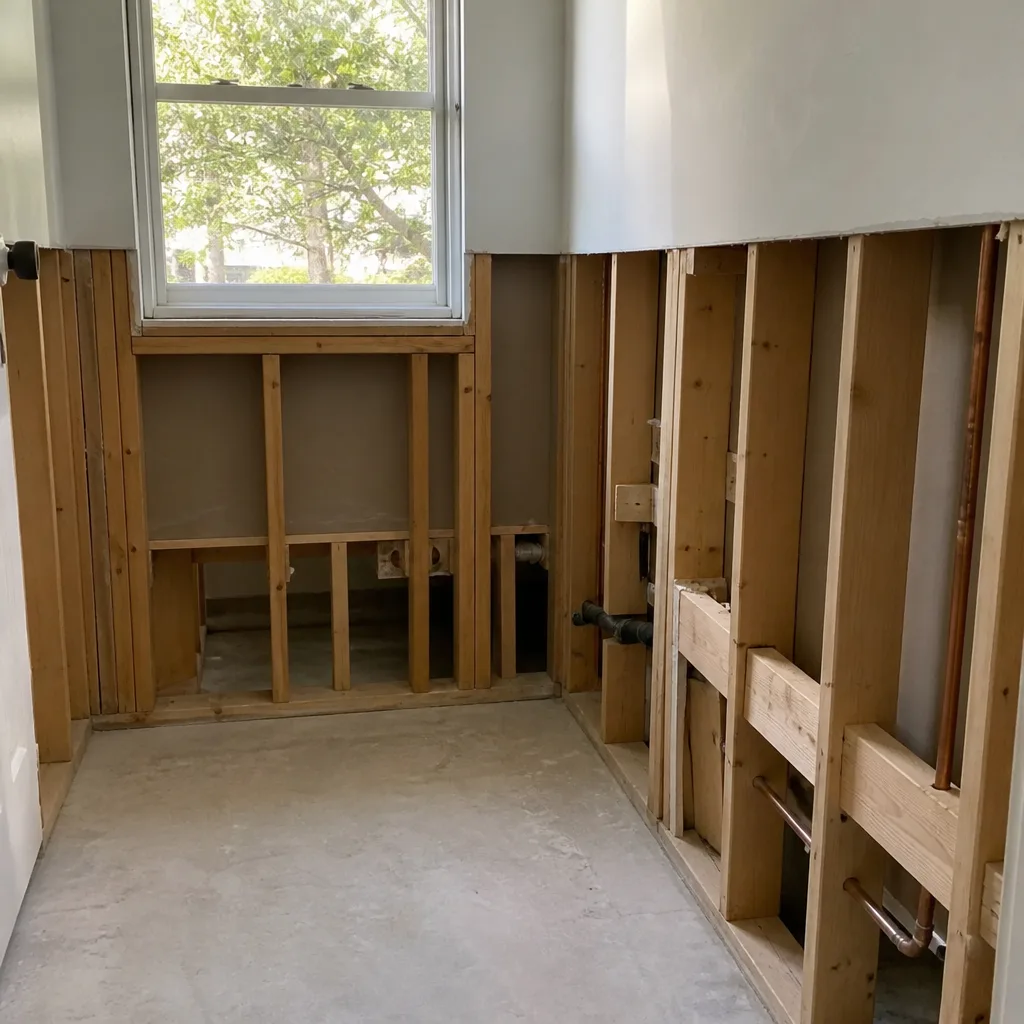
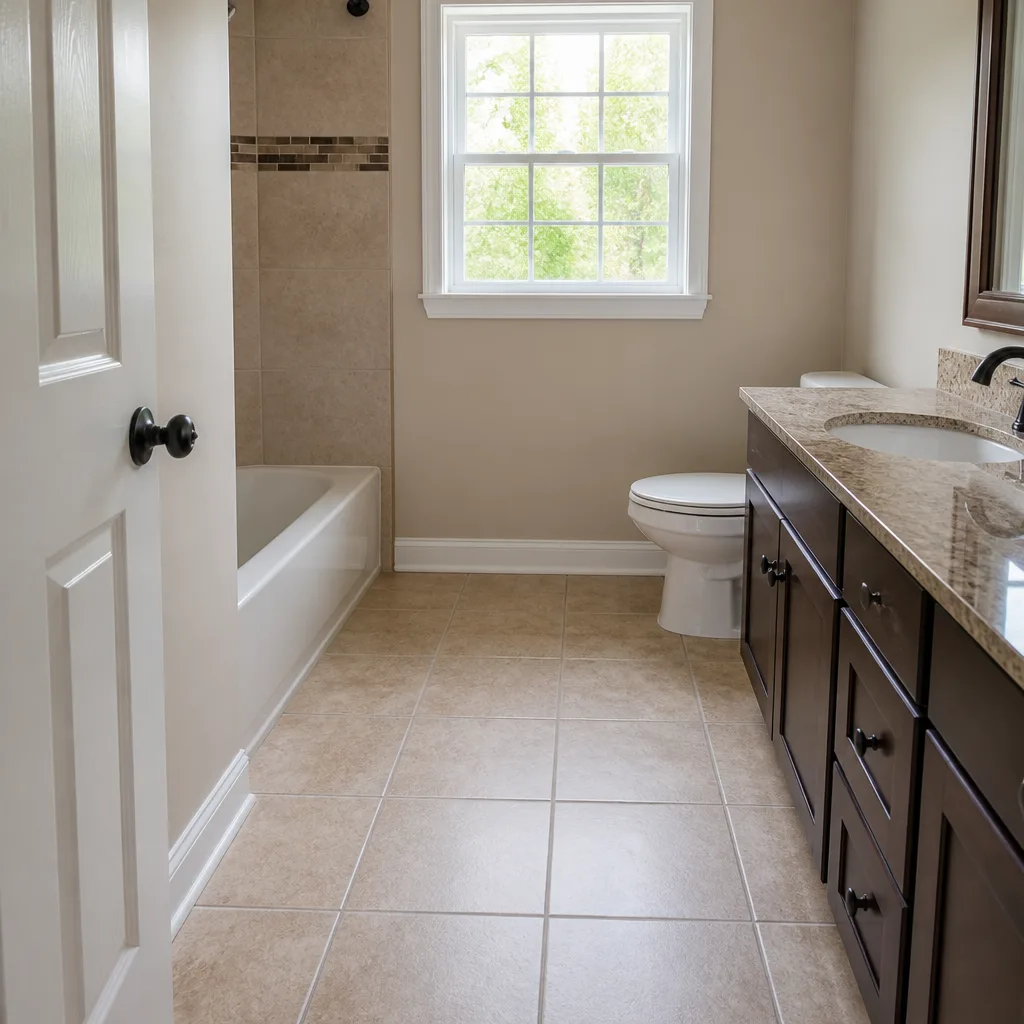
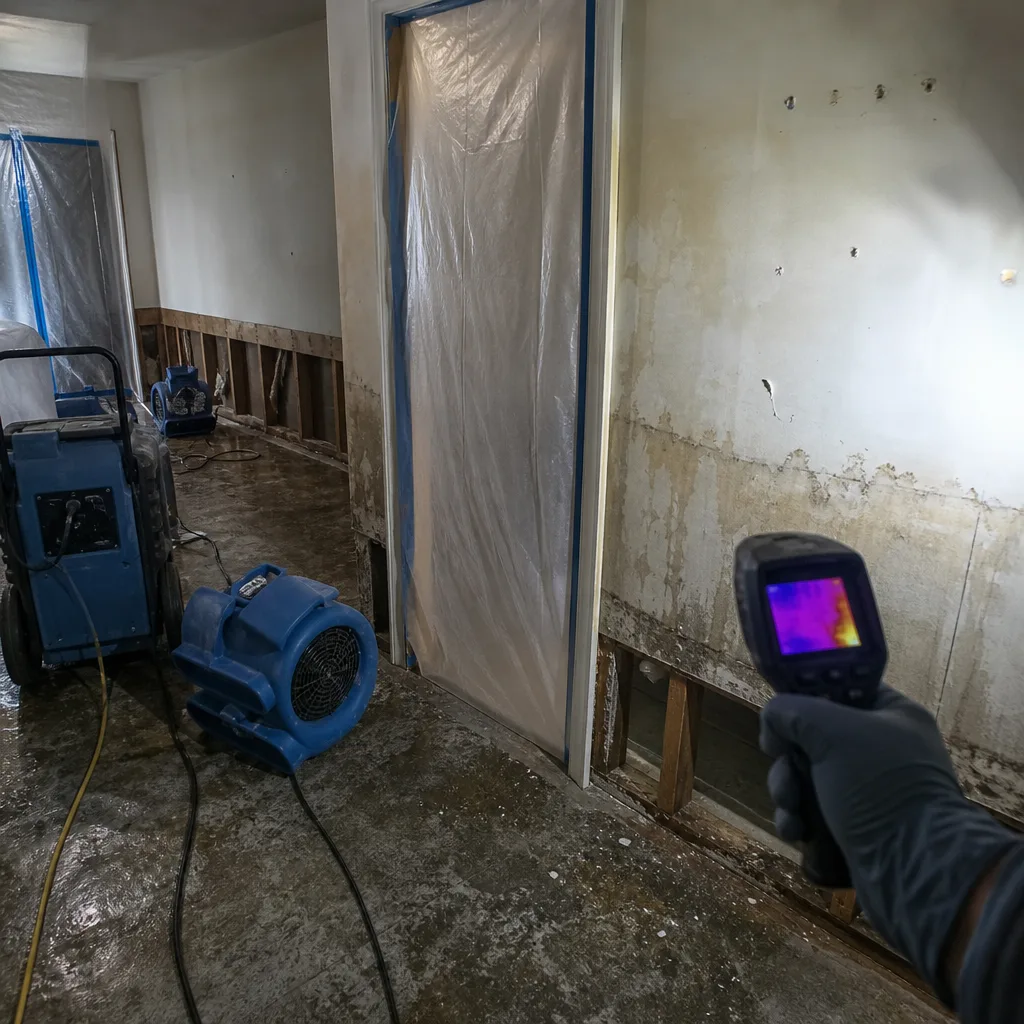 Before
 After
After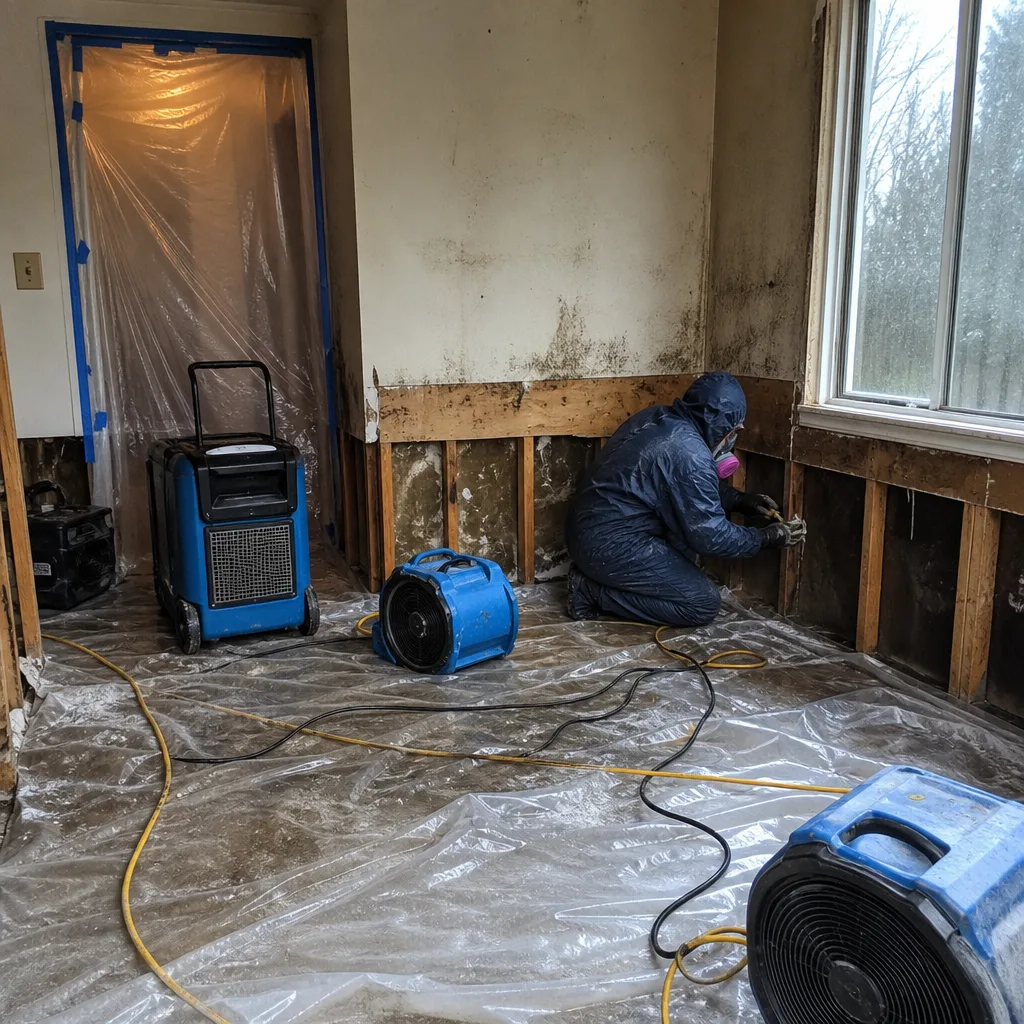 Before
 After
After Before
 After
AfterWhen to Call a Professional
Some maintenance tasks are DIY, and some are not. If you find a crack in your slab wider than a dime, if water is pooling against your foundation after every rain, if you see staining on a ceiling that you can’t trace to a source, or if your water meter shows movement when nothing is running, stop troubleshooting and call a professional. The cost of an inspection is nothing compared to the cost of guessing wrong. Marsh Water Damage Dallas offers free estimates in Dallas, and every visit follows the Threshold Verified protocol: background-checked, identity-verified technicians sent to you by name and photo before they arrive, then a photo ID badge at the door. Call (432) 529-4284 and a live person answers, 24 hours a day, including holidays.
Frequently Asked Questions
Run the core maintenance checks monthly using the rhythm in this guide, with deeper inspections in February, May, August, and October. Most Dallas water damage we see could have been caught earlier with a thirty-minute monthly walk and meter check.
In our experience, the most common source is a tie between HVAC condensate overflows in summer and slab leaks caused by clay soil movement. Both are Dallas-specific problems that generic checklists don’t address. Appliance failures are a distant third.
Signs of a slab leak include unexplained increases in your water bill, warm spots on the floor, the sound of running water when nothing is on, and visible cracks in the slab that have changed recently. If you see these signs, call a professional immediately. A slab leak left running for weeks causes structural and mold damage well beyond the original pipe issue.
Most Dallas homeowners policies cover sudden and accidental water damage from slab leaks, but coverage can be denied if the insurer determines maintenance was neglected. This is why the sign-off log in this guide matters. Photo documentation and dated maintenance records are the strongest evidence you can present if a claim is questioned.
First, identify the source: is it a downspout discharging too close to the house, a low spot in the soil grade, or surface runoff from a neighbor’s lot? Fix the easy sources first, like downspout extenders and splash blocks. Then monitor during the next rain. If the pooling persists, you may need soil grading or a drainage solution, and that’s worth a professional assessment before the November rain season.
No, but the only way to know is to investigate. A dry, yellow-brown stain could be an old leak that was repaired, or it could be an active slow leak that’s only dripping during certain conditions. Check the stain after rain and during AC season. If it’s wet, soft, or changing, the leak is active. Marsh Water Damage Dallas can trace the source and tell you definitively. Call (432) 529-4284 for a free estimate.
The Bottom Line
Water damage in Dallas follows patterns. Clay soil moves, and slabs crack. Heat runs ACs hard, and condensate lines clog. November rains fall on dirty gutters, and water pools where it shouldn’t. This guide exists because those patterns are predictable, and predictable problems are preventable. The maintenance routine here costs less than $200 a year and about six hours of your time. The alternative is a water extraction bill that starts around $1,800 and climbs quickly from there, plus mold remediation and reconstruction on top. Do the monthly checks. Keep the log. Find more guides & resources on our blog. And when something fails anyway, as it sometimes will, call (432) 529-4284. You’ll speak to a live person who can dispatch a Threshold Verified technician to your door, by name and photo, before you hang up.
Written by Tobias Reyner, Owner at Marsh Water Damage Dallas home, serving Dallas since 2005.