
Last updated October 16, 2026
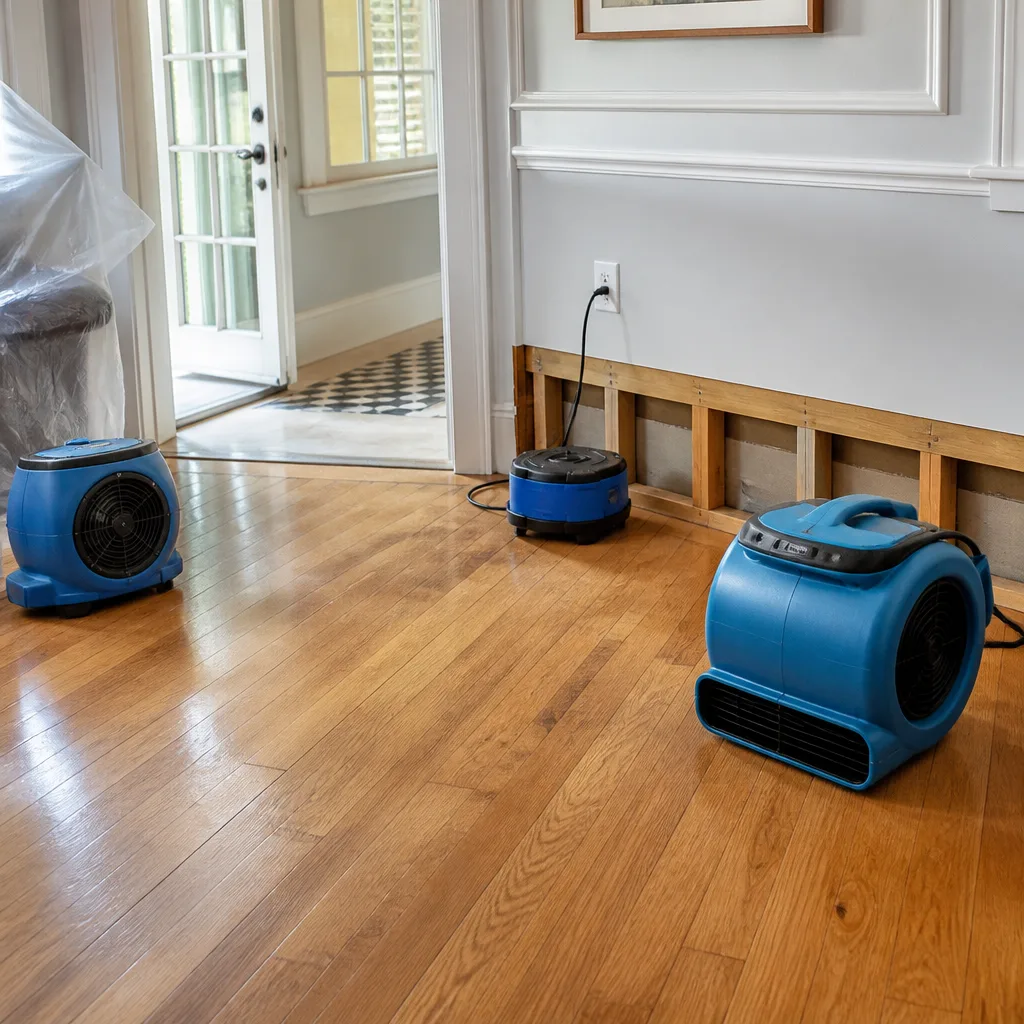 Water damage drying
 Fire & smoke cleanup
 Mold remediation
 Storm response
 Sewage cleanup
 Reconstruction
Free visual inspection and a written scope of work before any mitigation begins - photos, moisture readings, and drying logs go in your claim file
The scope we write is the scope we bill. Anything new gets shown to you, in writing, before we touch it.
Get your free estimateThe Complete Guide to Damage Restoration in Dallas
The IICRC estimates mold colonization can begin in as little as 24 to 48 hours after water intrusion, yet the average Dallas homeowner spends three to four hours just figuring out who to call first. That gap, between the first sign of water and the first real decision, is where small leaks become structural problems and clean water becomes a health hazard. This guide walks you through the five decisions every Dallas homeowner faces after water, mold, or storm damage, in the order they actually happen. You’ll learn what to do in the first 90 minutes, what a legitimate scope of work looks like, how Dallas’s clay-heavy soil changes the drying timeline, and how to spot the storm-chaser crews that follow tornado season into Dallas. By the end, you’ll know exactly what comes next and who should be at your door.
Restoration work we handle
Quick Answer
Damage restoration in Dallas follows a five-decision chain: stop the source of water, document everything for insurance, choose a restorer you can verify, approve a written drying plan, and confirm clearance before rebuilding begins. Most residential water extractions in Dallas run between $2,500 and $7,500 depending on the square footage affected, the water category, and how long the water sat before crews arrived; for a detailed look at what drives these numbers, see our Damage Restoration Cost Breakdown: The Dallas Homeowner’s Reference for 2026. You can start the process immediately, even before insurance adjusts, as long as you take photos first and keep any damaged materials for the adjuster to inspect.
Table of Contents
- The Five-Decision Chain: How Dallas Damage Restoration Actually Works
- How Dallas Soil and Climate Change the Drying Timeline
- What a Legitimate Scope of Work Looks Like Before Equipment Arrives
- Mitigation vs. Restoration: Two Different Jobs, Often Two Different Crews
- What Damage Restoration Costs in Dallas
- Working with Insurance: Documentation, Adjusters, and the Paper Trail
- Storm-Chaser Red Flags: What Arrives in Dallas After Tornado Season
- Common Mistakes to Avoid
- When to Call a Professional
- Frequently Asked Questions
- The Bottom Line
The Five-Decision Chain: How Dallas Damage Restoration Actually Works
Most homeowners think of water damage as one event to survive. It’s not. It’s a chain of five decisions, each one made under stress, and the decisions you make in the first 90 minutes ripple through every day after. Here’s the chain in plain order.
Decision One: Stop the Source
Before any drying can happen, the water has to stop entering the home. If it’s a burst supply line, shut off the main valve at the meter. If it’s an appliance, kill power to that circuit at the breaker before touching anything electrical. If it’s a sewage backup, don’t run sinks, flush toilets, or use any drain connected to the affected line. In Dallas homes built on slab foundations, supply lines often run beneath the concrete, which means a slab leak can pump water into the structure for days or weeks before it surfaces as a warm spot on the floor or a sudden spike in the water bill. We’ve seen slab leaks in Dallas neighborhoods like Lake Highlands and Casa View that ran long enough to saturate wall cavities on the opposite side of the house. Stopping the source is not a drying technique. It’s the prerequisite for every other step.
Decision Two: Document for Insurance
Take photos. Take more photos than you think you need. Wide shots showing the room, mid shots showing the water line on the drywall, close shots of damaged contents. Walk the perimeter of every affected room and shoot video with your phone, narrating what you see. Open cabinets, pull back carpet corners, photograph behind appliances. This documentation is not optional busywork. It’s the evidence your adjuster will use to establish scope of loss. Without photos, you’re asking the insurance company to trust your memory of what the room looked like before it got wet. We tell every Dallas customer the same thing: photograph first, move things second. A photo of standing water next to a baseboard is worth more than any description you’ll give later.
Decision Three: Choose a Restorer You Can Verify
This is where the second anxiety kicks in. You’ve got water in your home, and now you have to open your door to a crew you’ve never met. The legitimate fear here is not just about workmanship. It’s about who is walking into your home, often when you’re alone, often when your kids are asleep upstairs. In Dallas, after a major storm event, the number of out-of-state contractors working door-to-door spikes dramatically. Some are legitimate. Some are not. You have the right to verify who you’re letting in. Ask for the company’s Texas address, not just a cell phone number. Ask for the name of the technician who will arrive, and ask to see a photo ID when they get there. A company that hesitates on either question is telling you something. And if a company sends a different person than the one they named, that’s a red flag, not a scheduling mix-up.
Decision Four: Approve a Written Drying Plan
A legitimate restorer will not start pulling baseboards and setting fans on a handshake. You should receive a written scope of work that lists, room by room, what will be removed, what will be dried in place, what equipment will be set and where, and what the total price is. This document is your protection against the estimate that balloons after demolition starts. Read it before you sign it. If the scope says “remove and replace drywall in living room, 12 linear feet,” that’s specific. If it says “mitigate as needed,” that’s not a scope. That’s an open checkbook. The written scope should also include the drying goal: the psychrometric targets (moisture readings in the air and in the materials) that define when the job is done. In Dallas’s summer humidity, hitting those targets takes longer than in West Texas, and the scope should account for that.
Decision Five: Verify Clearance Before Rebuilding
Drying is not the same as being dry. Surface dry is not structural dry. A wall can feel dry to the touch and still hold 18% moisture behind the paint, which is exactly the environment where mold starts. Before any reconstruction begins, you should receive a clearance document that shows moisture readings in every affected area are back to the dry standard for Dallas’s climate. This is the step homeowners skip most often, usually because they want to get their house back and the insulation looks fine. It’s the step that determines whether the repair lasts one year or twenty. We’ve opened walls in Dallas homes that were “restored” years earlier by other companies and found mold colonies inside wall cavities that never got properly dried. The previous owner just never knew.
How Dallas Soil and Climate Change the Drying Timeline
Dallas is not like other cities when it comes to water damage, and the reason is under your feet. The Dallas area sits on expansive clay soil, the same gumbo clay that shifts foundations and cracks brick veneer. The soil matters because of how most Dallas homes are built: slab-on-grade foundations, no basement, no crawlspace, plumbing run beneath the concrete. When a pipe leaks under the slab, water doesn’t pool somewhere visible. It migrates upward through the concrete, wicking into flooring, baseboards, and the bottom plates of interior walls. By the time you see evidence, the water has been traveling for days or weeks. That’s a longer saturation period than the same leak would produce in a pier-and-beam home in East Texas, where water drips into a crawlspace and evaporates.
The second factor is humidity. Dallas summers routinely push outdoor relative humidity above 70%, and when restoration crews set up drying equipment, they’re fighting ambient moisture that slows evaporation. The drying equipment has to work harder, and the drying plan has to run longer. We use psychrometric readings, which measure the moisture content in the air and in the materials themselves, to tell when a structure is genuinely dry, not just dry on the surface. In a Dallas July, a standard Category 1 water loss that might dry in three days in Lubbock can take five or six days here. That’s not a contractor stalling. That’s physics.
The clay soil also matters for outdoor drainage. Dallas homes in neighborhoods like Preston Hollow and Lakewood sit on lots with varying slopes, and after a heavy spring storm, saturated clay can’t absorb water fast enough. The water sheets across the ground and finds the lowest point, which is often the foundation perimeter or a window well. French drains and proper grading matter more here than in sandy-soil regions. If you’re dealing with recurring water intrusion at the foundation line, the fix is not another round of drying. The fix is drainage correction, and the restoration should not end until the water’s entry point is addressed.
What a Legitimate Scope of Work Looks Like Before Equipment Arrives
Before a single piece of equipment enters your home, you should have a document in your hand that answers four questions: What is wet, what gets removed, what gets dried in place, and what does it cost. If a contractor can’t or won’t produce that document, do not let them start demolition.
A legitimate scope of work for water damage restoration in Dallas should include, at minimum:
- Room-by-room inventory: Each affected room listed separately, with square footage of wet flooring, linear feet of affected baseboard, and the water line height on each wall.
- Equipment plan: How many air movers, how many dehumidifiers, what kind of extraction tool, and where each unit will be placed. This tells you the contractor has actually thought through the drying physics, not just priced a guess.
- Drying targets: The specific moisture content goals for each material type. Drywall in Dallas typically needs to get back to 8-12% moisture content, wood to 10-14%, depending on the season. The scope should state these numbers.
- Removal vs. restoration: Which materials are salvageable (dried and left in place) versus which are removed and replaced. Carpet pad is almost always replaced. Hardwood can sometimes be saved with Injectidry panel systems that dry from beneath.
- Line-item pricing: Each category priced separately, not a single lump sum with no breakdown. You should know what the extraction costs, what the drying costs, and what the demolition costs.
- Payment terms: What’s due when, and how insurance payments are handled. A contractor who demands full payment upfront before starting is a red flag.
We write a price before any work begins, and we put it on the same document as the guarantee. Not a verbal estimate, not a rough number, not a “we’ll figure it out as we go.” The price we quote is the price on the work order, and if the repair fails within 365 days, we return and make it right. That’s not marketing language. It’s printed on every job we do in Dallas.
Mitigation vs. Restoration: Two Different Jobs, Often Two Different Crews
The damage restoration industry splits into two phases, and understanding the difference will save you from a lot of confusion and overspending.
Mitigation is the emergency phase. It’s stopping the water, extracting standing water, removing unsalvageable materials, setting drying equipment, and monitoring the structure until it reaches the drying targets. Mitigation is what happens in the first 72 hours. Speed matters here. The faster water is extracted and drying begins, the less material gets replaced and the lower the final bill. In Dallas, mitigation crews are the ones who respond to burst pipes in December, storm flooding in March and April, and AC condensate overflows in August.
Restoration is the rebuilding phase. It’s replacing the drywall that was cut out, installing new baseboards, refinishing floors, repainting, and putting your home back together. Restoration is not an emergency. It’s scheduled work, priced in writing, done on a timeline that makes sense for both you and the contractor. Restoration should not begin until mitigation is complete and clearance is documented.
Here’s what no one tells you: these two phases are often handled by different companies. The crew that shows up at 11 p.m. to extract water is a mitigation specialist. The crew that comes three weeks later to hang drywall is a restoration contractor. Some companies do both. Many specialize. There is nothing wrong with hiring two different companies, but you need to know which one you’re talking to and what their scope includes. If a mitigation company tells you they’ll handle the rebuild too, ask whether they’re doing it with their own crews or subbing it out. And if you’re in the middle of a mold job, read up on mold remediation in Dallas to understand the containment and clearance standards that apply.
What Damage Restoration Costs in Dallas
Dallas pricing for damage restoration is not a secret. It’s a function of square footage, water category, and time. Here are the realistic ranges, based on what we see across Dallas metro jobs:
| Service | Typical Dallas Range | What Affects the Price |
|---|---|---|
| Water extraction (standalone, no drying) | $400 – $1,200 | Square footage of standing water, accessibility, water category |
| Drying equipment setup and monitoring | $800 – $2,500 | Number of rooms, humidity conditions, duration |
| Full mitigation (extract, demo, dry, monitor) | $2,500 – $7,500 | Water class, affected materials, time elapsed before response |
| Mold remediation (containment, removal, clearance) | $1,800 – $6,000 | Square footage of colonization, accessibility, HVAC involvement |
| Storm damage board-up and tarping | $500 – $1,800 | Size of opening, height, material needed |
| Full restoration (rebuild after mitigation) | $8,000 – $35,000+ | Finish level, square footage, structural work required |
These are real ranges, not lowballs to get a phone call. A small Category 1 water loss from a supply line under a bathroom sink, caught the same day, might stay under $3,000 total for mitigation. A Category 3 sewage backup that sat overnight and wicked into three rooms is a different animal entirely. The single biggest factor in where you fall on these ranges is time. Water damage is a compounding problem. Every hour the water sits, the damage radius expands and the price climbs. That’s not a sales pitch. That’s how mold colonization works. You can read more about storm damage restoration in Dallas if hail or wind opened the envelope of your home, because those jobs follow a different sequence: board-up first, then drying, then rebuild.
Working with Insurance: Documentation, Adjusters, and the Paper Trail
Insurance is in the room on almost every damage restoration job, even when nobody says the word. Here’s how to handle the paper trail so the claim goes smoothly.
First, notify your insurer as soon as the damage is discovered. Most policies require prompt notification, and delaying it can create a coverage dispute. When you call, ask what your deductible is, whether you have a separate water damage deductible (many Dallas policies now carry one), and whether you need pre-authorization before emergency mitigation. Some carriers require you to use their preferred contractor network. You have the right to choose your own restorer. Using the carrier’s network is optional, not mandatory.
Second, take the photos. We said this before and we’ll say it again because it’s the single biggest predictor of whether your claim gets paid fairly. Adjusters work from documentation. The more you document, the less they guess. If you have a restoration company handling the work, ask them to document everything with photos too. Every cut, every removal, every piece of equipment. The photo log is the evidence trail.
Third, understand what your adjuster is looking for. An adjuster is not your enemy and not your advocate. They are an evaluator. They will look at the cause of the loss, the category of water, the affected materials, and the restoration estimate. If your restoration estimate is written clearly with room-by-room detail and line-item pricing, the adjuster can process it faster and with fewer questions. If your estimate is a single number on a napkin, expect friction.
Fourth, if your restoration company says they’ll handle the insurance claim for you, ask what that means specifically. Some companies communicate directly with the adjuster and help you negotiate. Some just hand you an invoice and say good luck. Marsh Water Damage Dallas documents every job with photos and provides the paperwork your adjuster needs. We coordinate directly with adjusters when that helps move the claim along. The goal is a restoration that’s documented well enough that the insurance conversation is about facts, not speculation.
Storm-Chaser Red Flags: What Arrives in Dallas After Tornado Season
Dallas storm season runs March through June, with a secondary peak in the fall. After every major hail or wind event, out-of-state crews flood the metro. Some are legitimate. Many are not. For a full guide on what to watch for, read our Damage Restoration Warning Signs: A Dallas Homeowner’s Reference Guide; here are the specific red flags we’ve seen in Dallas neighborhoods like Oak Cliff, Garland, and Mesquite after a bad storm:
- No local address: The business card has an 800 number, a Gmail address, or no address at all. Ask for a Texas street address. If they can’t give you one, they don’t have roots here.
- Door-to-door solicitation with pressure: “Your roof has hail damage, sign today.” A legitimate Dallas contractor doesn’t need to generate work by walking the block after a storm. They have phones ringing.
- Vague scope language: “Storm restoration, all services.” What services? A real storm damage company can tell you exactly what they’ll do: board up, tarp, extract, dry, rebuild. If the language is vague, the pricing will be too.
- They ask you to sign over your insurance check: This is the big one. Some storm chasers will have you sign an assignment of benefits that gives them direct control of your claim payout. Read everything before signing. Once you assign your benefits, you may lose the leverage to dispute the work.
- No proof of licensing or insurance on request: In Texas, restoration contractors are not required to hold a state license for remediation work, but legitimate companies carry general liability and workers’ comp. Ask for a certificate of insurance. If they hesitate, walk away.
- Cash-upfront demands: “We need 50% down to schedule the crew.” For emergency mitigation, some deposit is normal. For a full replacement, a contractor demanding half the job cost before any materials arrive is a risk.
The deeper issue with storm chasers is that they often leave before the warranty period matters. If a crew from out of state installs a roof or dries a wall and something fails eight months later, you may find the phone number disconnected. We’re in Dallas, and we were founded in 2005 as part of the Threshold Group family of restoration companies. We answer the phone, and we stand behind the work with the 365-Day Done Right Promise. If something isn’t right within a full year, we come back and fix it. That promise is printed on the work order, not whispered in the sales pitch.
Common Mistakes to Avoid
- Waiting to call because “it’s not that bad.” Water that has been sitting for 48 hours is not the same water it was on hour one. By hour 48, mold colonization is likely underway. The cheapest restoration is the one that starts immediately.
- Signing a work authorization before reading it. If the document authorizes “any and all services deemed necessary” without a price cap or written scope, you’ve signed a blank check. Read it. Ask questions. A legitimate company wants you to understand what you’re signing.
- Letting a contractor “just get started” without a written price. The most common horror story in Dallas restoration is the estimate that started at $4,000 and ended at $14,000 after the walls were open. A written scope before work begins is not negotiable on a legitimate job.
- Drying without verifying clearance. Surface dry is not dry. If your contractor doesn’t provide moisture readings showing the structure hit the dry standard, you may be building back over a mold farm. Ask for the clearance document before any drywall goes up.
- Ignoring the source. If the leak came from a bad window flashing or a cracked foundation drain, drying the interior does not fix the problem. The water will come back. Address the entry point or pay for the same restoration twice.
- Throwing away damaged materials before the adjuster sees them. You need evidence. Keep the wet carpet pad, the cut drywall, the ruined baseboards until the adjuster has documented them. It’s gross. It’s also necessary.
- Hiring a name but not checking who shows up. A national franchise brand on the van does not mean the person at your door is employed by that franchise or has been vetted. Ask for the technician’s name before they arrive, and ask to see a photo ID when they knock. In Dallas, this matters. We send every customer the name and photo of the technician before the visit, and that tech carries a photo ID badge at the door. Every time.
When to Call a Professional
Some damage you can handle alone. A small spill from a knocked-over cup, a single towel’s worth of water on a tile floor, a damp spot that dries on its own within a few hours. Those are not restoration jobs. But if you see any of the following, stop what you’re doing and make a call-our more guides & resources can also help you decide when professional help is warranted:
- Water has contacted drywall, baseboards, or flooring and been sitting for more than an hour.
- The water came from a sewage line, toilet overflow, or any source that may contain bacteria. This is Category 3 water and it is not a weekend DIY project.
- You smell something musty or earthy, especially in a closed room or closet. That smell is often the byproduct of active mold growth, and by the time you smell it, it’s established.
- A storm has opened the envelope of your home, whether through broken windows, roof damage, or flooding.
- You see staining or warping on ceilings below a bathroom or kitchen, which means a slow leak has been traveling through the floor assembly.
- Anyone in the house has respiratory issues, allergies, or a compromised immune system. Mold exposure is not a risk worth taking.
Marsh Water Damage Dallas offers free estimates in Dallas. Call (432) 529-4284 and a live person answers, any time of day or night, including holidays. We’ll tell you over the phone whether this is a job you can handle yourself or one that needs a professional crew. No pressure, no obligation, just an honest read on the situation.
Frequently Asked Questions
Mold colonization can begin within 24 to 48 hours of water intrusion, and Dallas’s warm, humid climate accelerates the process. What that means practically: a pipe that bursts on a Saturday morning and isn’t addressed until Monday has likely already passed the window where mold is only a possibility. It may already be starting. The 48-hour mark is not a soft guideline. It’s the point where the biology starts working against you.
Most standard homeowners policies in Dallas cover sudden and accidental water damage, such as a burst pipe or an appliance failure. They generally do not cover gradual leaks, lack of maintenance, or flood damage from rising groundwater. Flood insurance is a separate policy. If you’re not sure whether your specific situation is covered, call your agent before the restoration starts, not after.
You can, but you’ll be handling the documentation, the drying plan, and the adjuster coordination yourself while dealing with a damaged home. The restoration estimate itself is a key document in the claim, and a thorough, room-by-room scope of work from a professional restorer carries more weight with an adjuster than a homeowner’s guess at what needs replacing. Most Dallas homeowners find the claim goes smoother with a restoration company involved from the start.
In Dallas, you have every right to ask for verification before letting anyone into your home. A legitimate restoration company will tell you the technician’s name before they arrive and that technician will carry a photo ID badge. The Threshold Verified standard that Marsh Water Damage Dallas operates under makes this non-negotiable: every tech is background-checked, identity-verified, uniformed, and photo-badged. If someone shows up without ID, do not let them in.
Dallas sits on expansive clay soil and experiences high summer humidity, both of which slow the drying process. Water wicking upward through a slab foundation takes longer to release than water in a pier-and-beam home, and high ambient humidity in July and August means the air itself holds more moisture, making evaporation less efficient. The psychrometric drying targets for a Dallas job account for these local conditions. This is why a drying plan written for an air-conditioned office in Phoenix is not the same as one written for a Dallas home in August.
Standalone water extraction in Dallas typically runs between $400 and $1,200, depending on square footage and accessibility. That’s for the extraction only, before drying equipment is set. A full mitigation, including extraction, demolition of unsalvageable materials, drying equipment, and monitoring, runs $2,500 to $7,500 for most residential jobs. Call (432) 529-4284 for an exact quote. Estimates are free, and the price we write is the price on the work order.
The Bottom Line
Damage restoration in Dallas is not a single event. It’s a chain of decisions, and the first link, the first 90 minutes, sets the course for everything after. Stop the water. Document the damage. Choose a restorer you can verify by name and photo. Approve a written drying plan with specific targets and prices. Verify clearance before rebuilding starts. The faster you move through the chain, the less you pay and the less you lose. You cannot eliminate the stress of water damage. But you can eliminate the uncertainty about who’s coming to your door and what it will cost. That’s the part we control. The Marsh Water Damage Dallas home page has more on how we work, and if you’re standing in water right now, call (432) 529-4284. A live person will answer.
Written by Tobias Reyner, Owner at Marsh Water Damage Dallas, serving Dallas since 2005.
See the difference
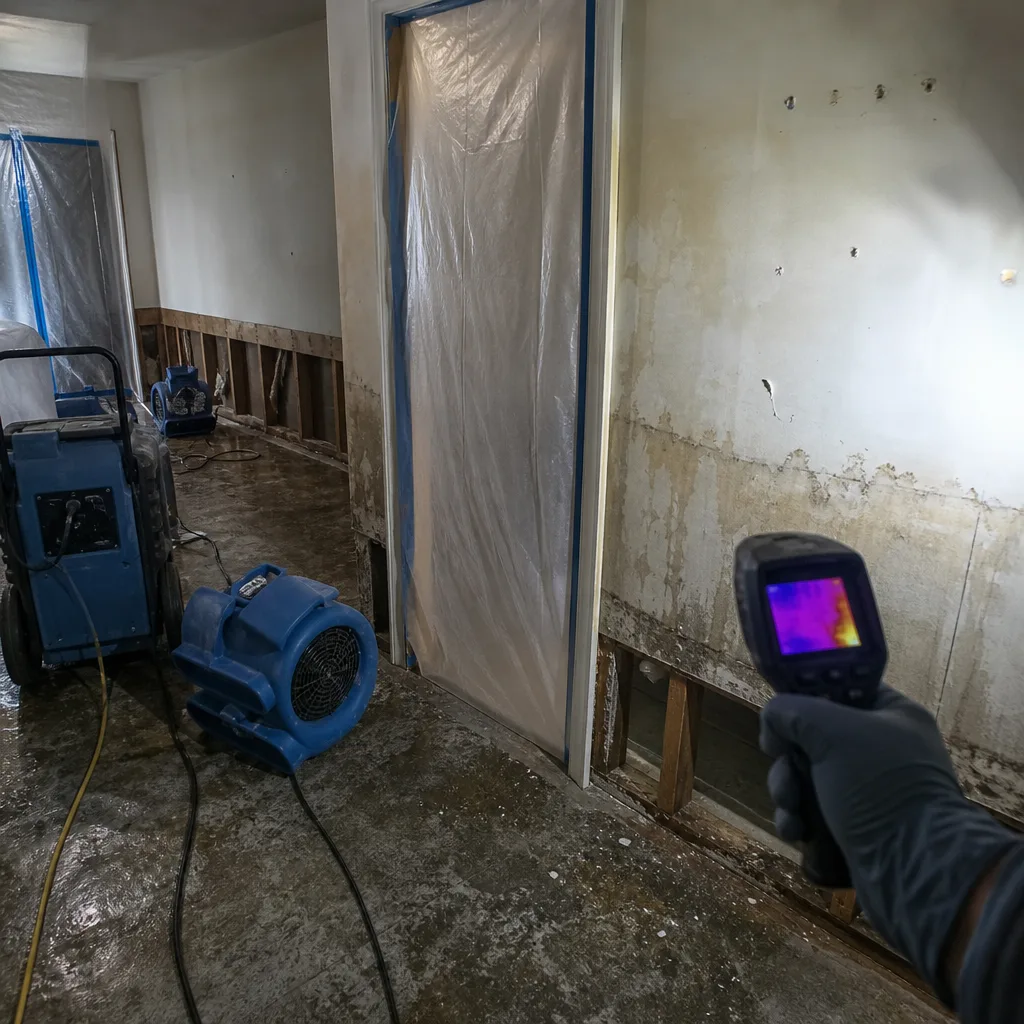 Before
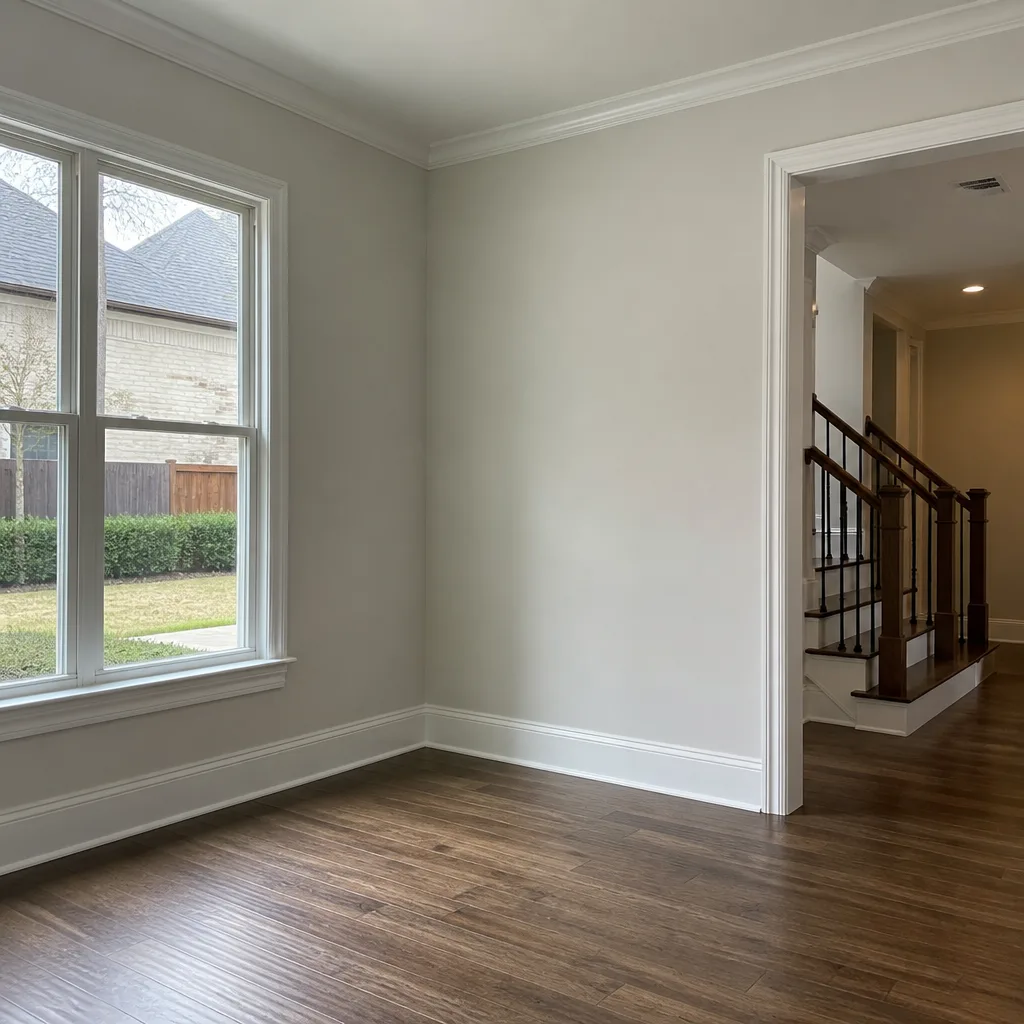 After
After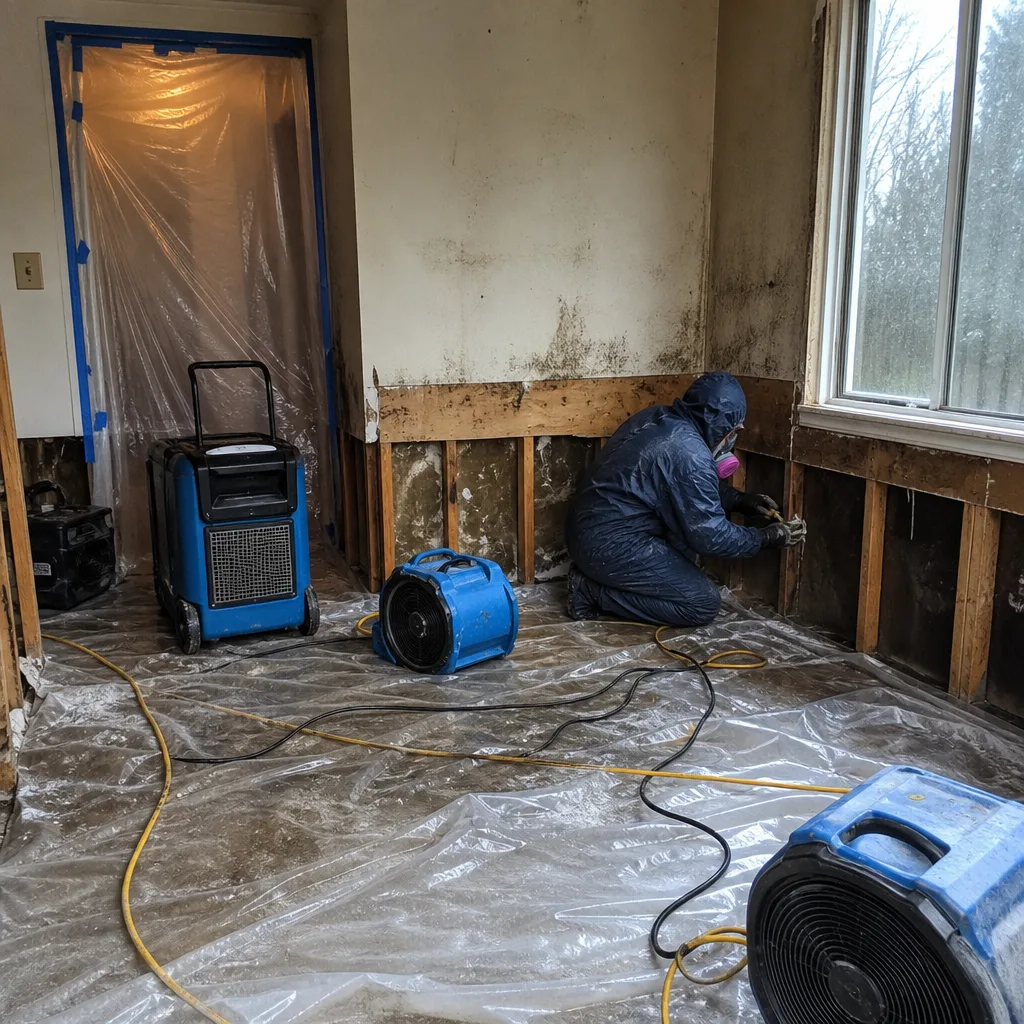 Before
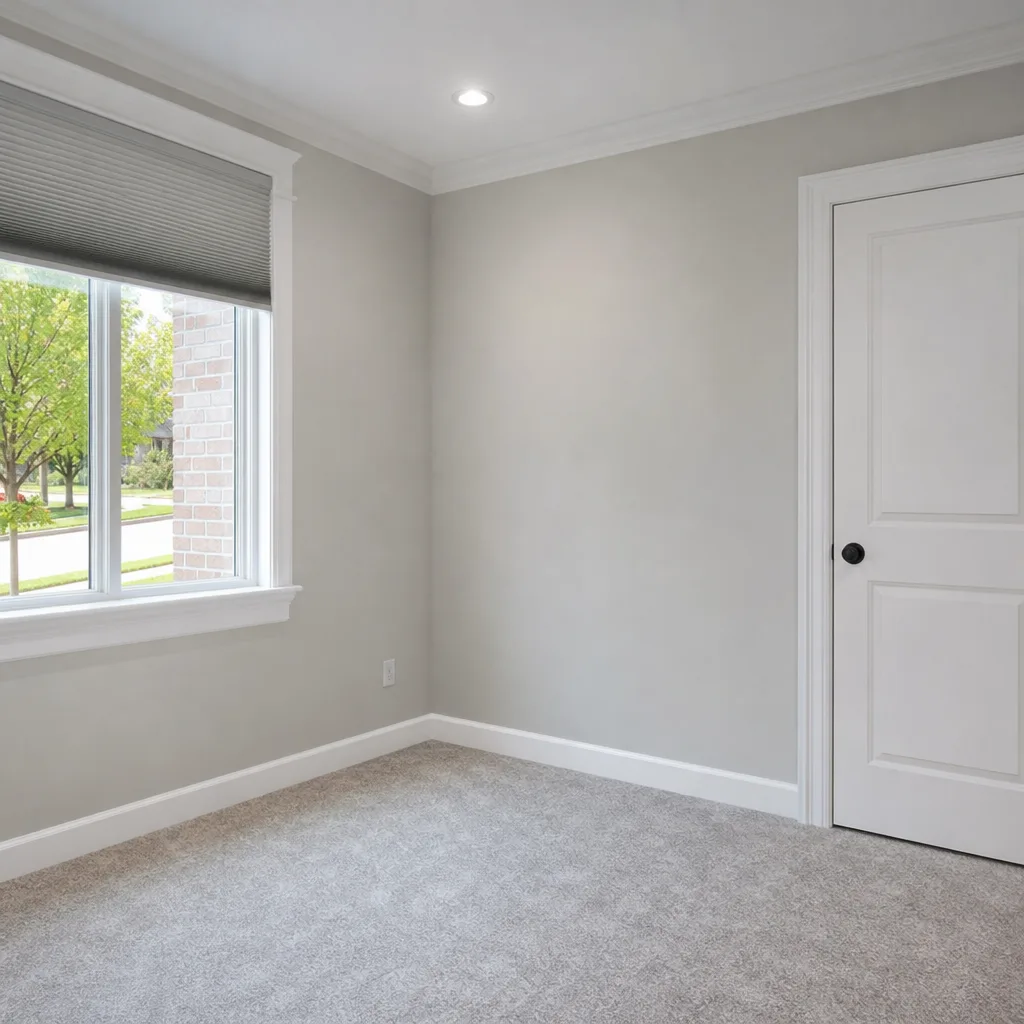 After
After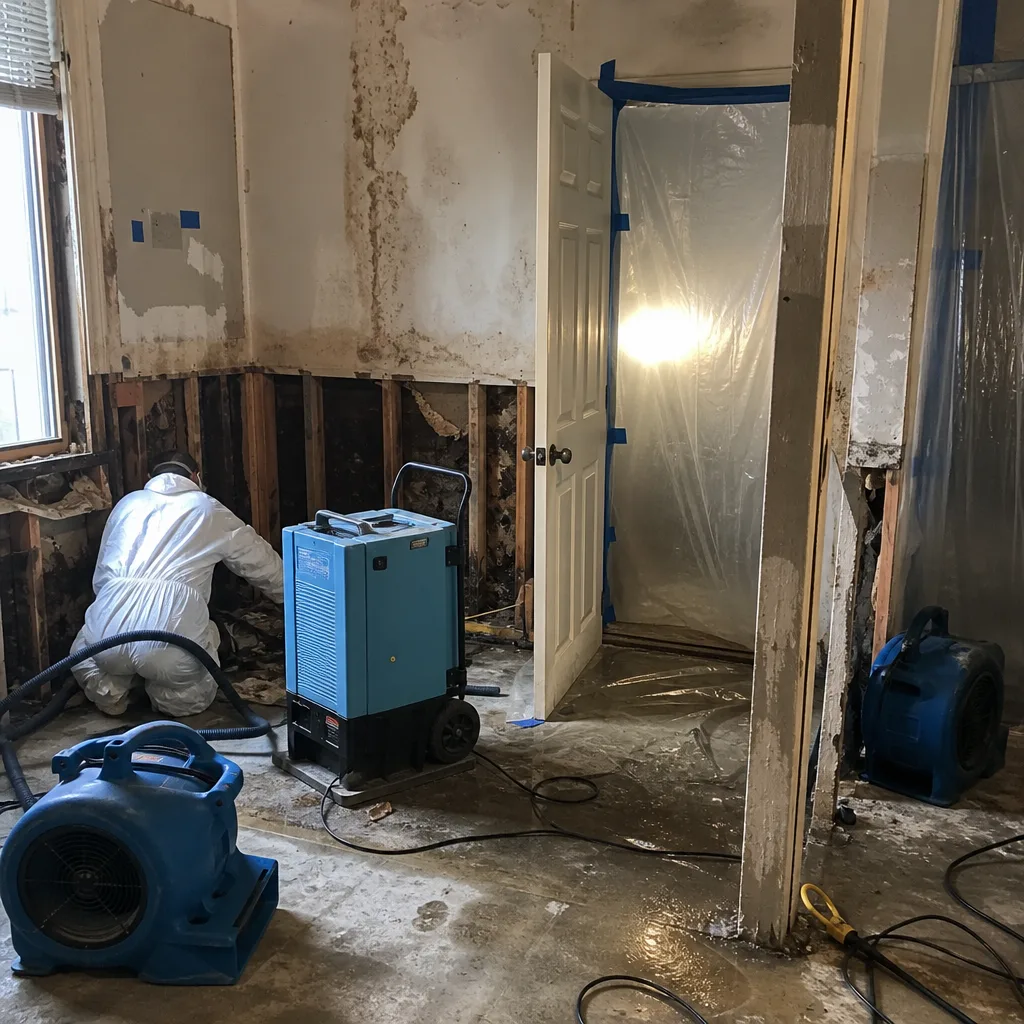 Before
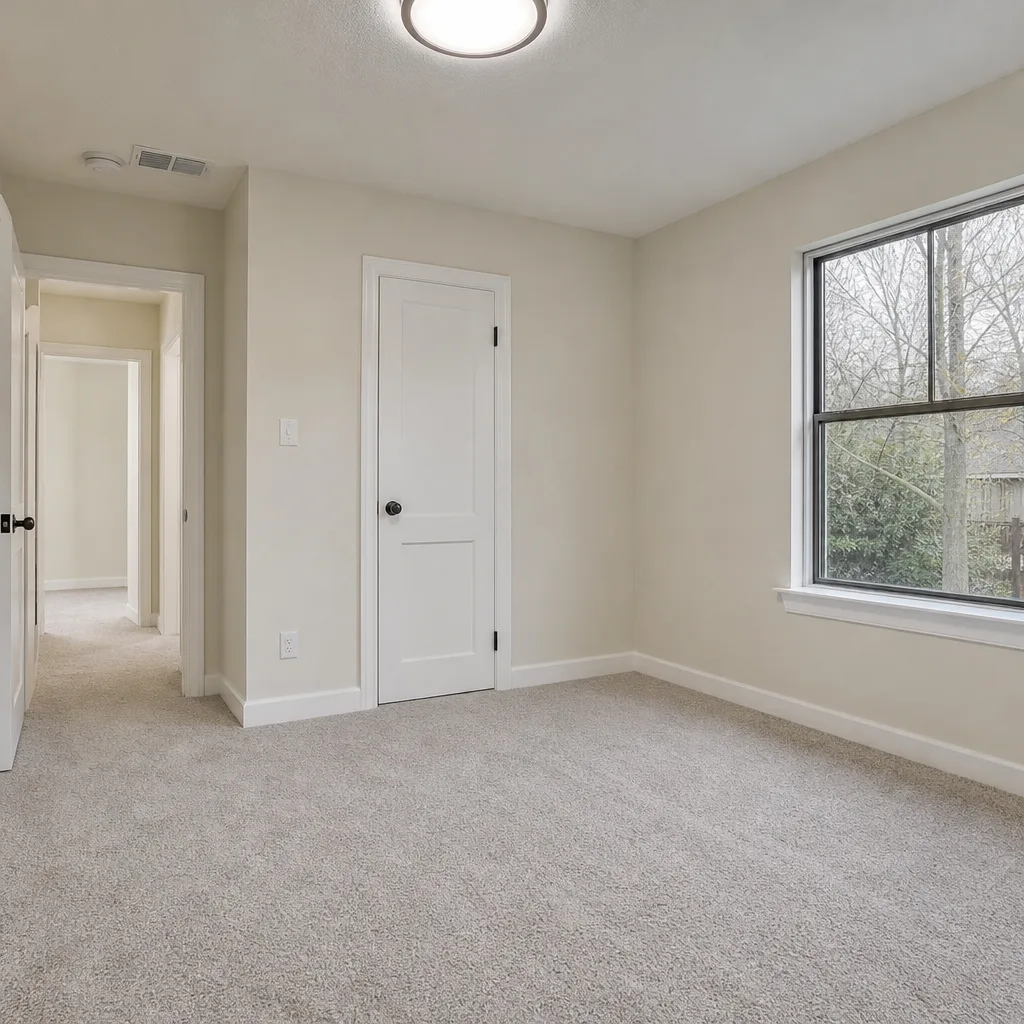 After
After