
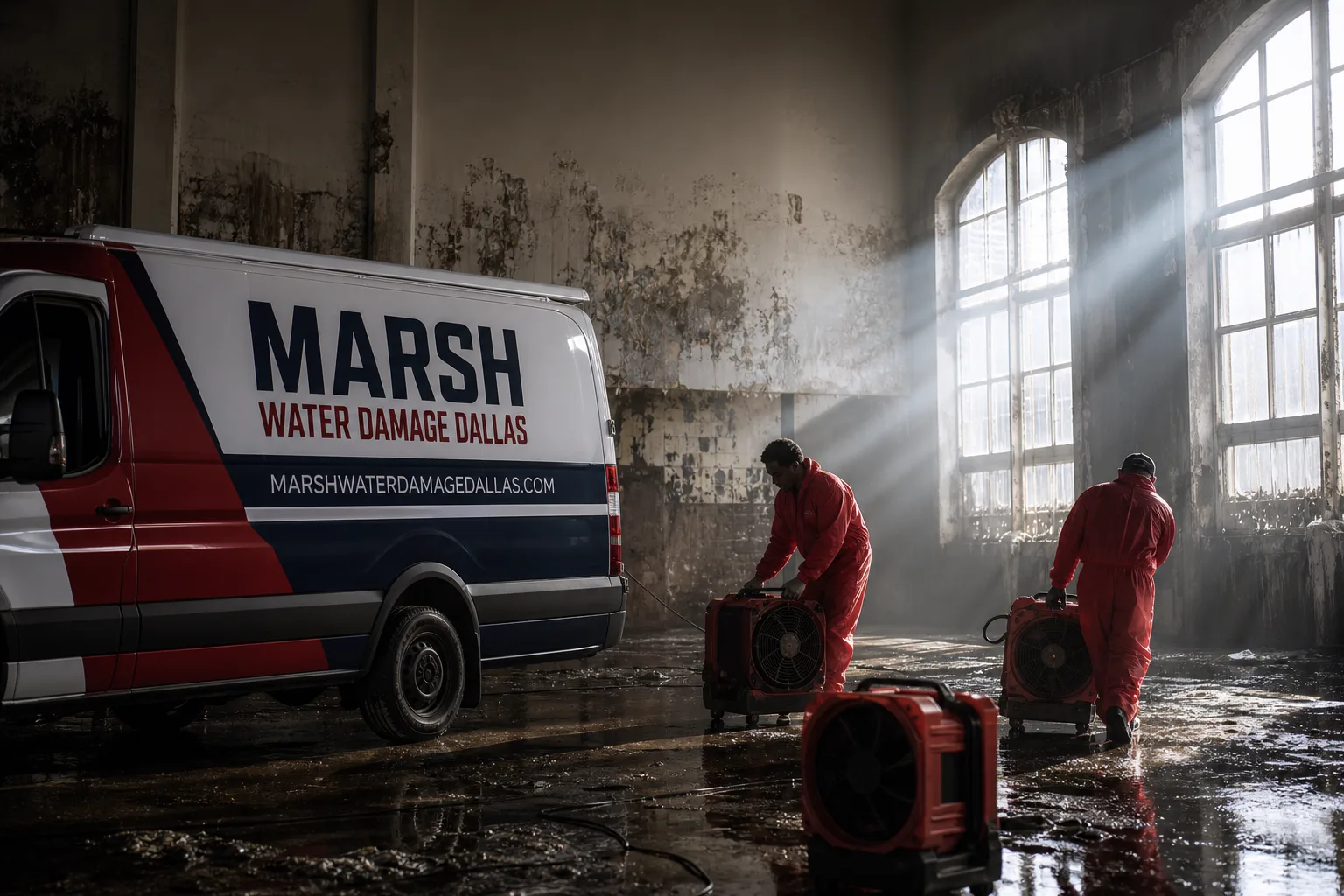
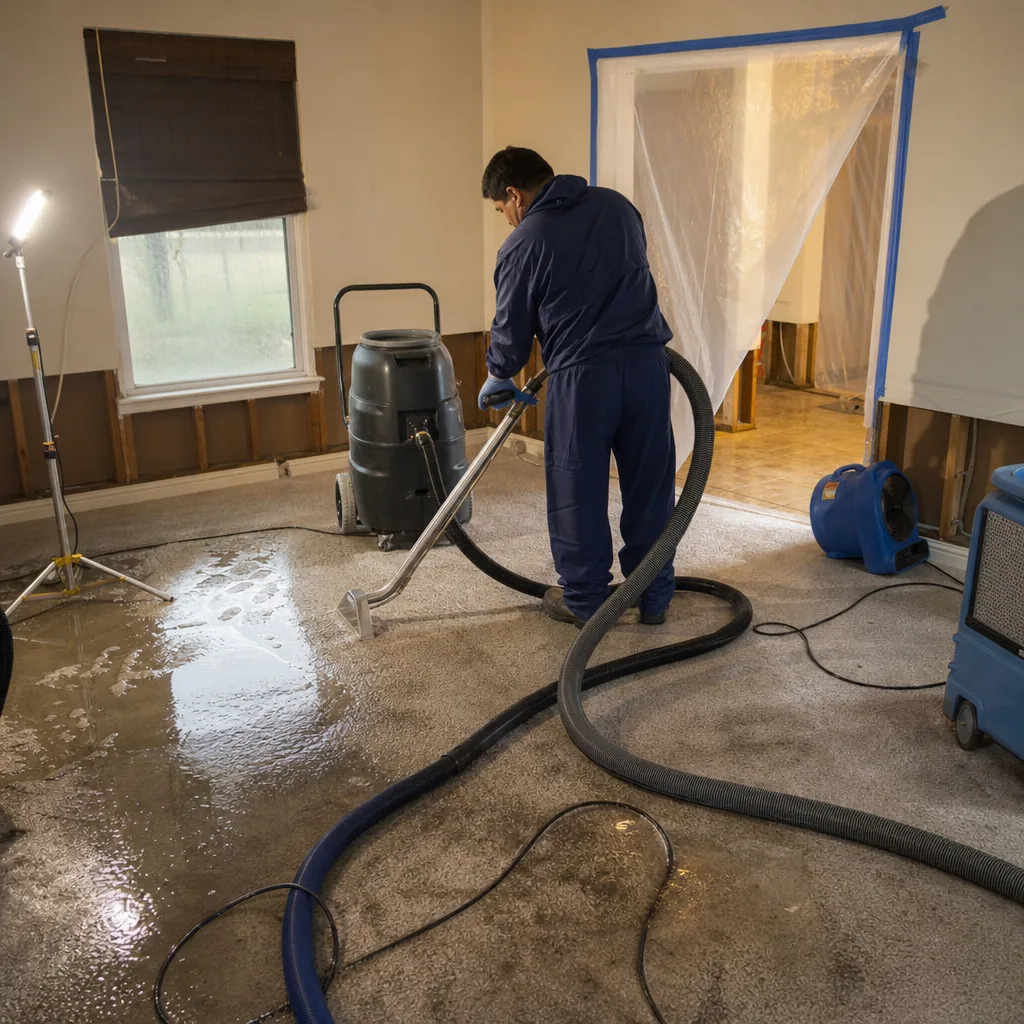
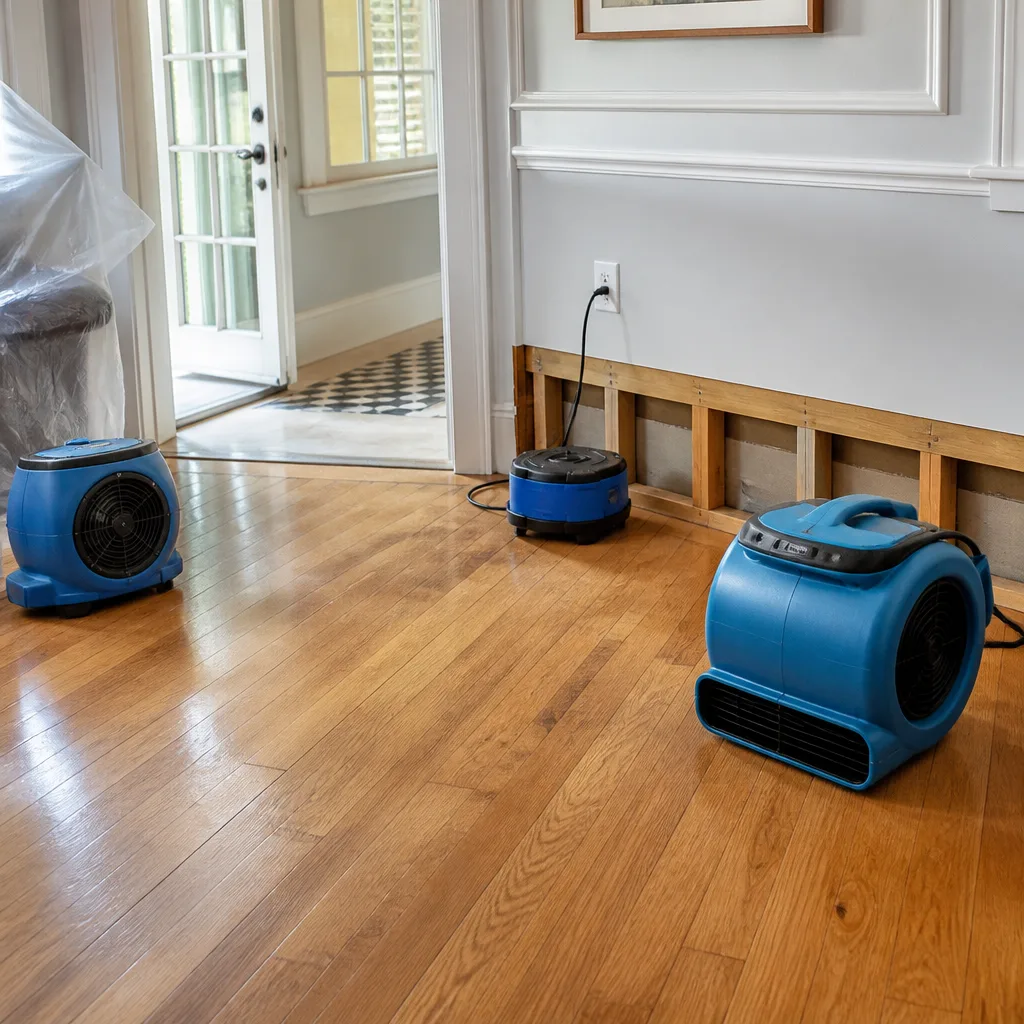
 Water damage drying
 Fire & smoke cleanup
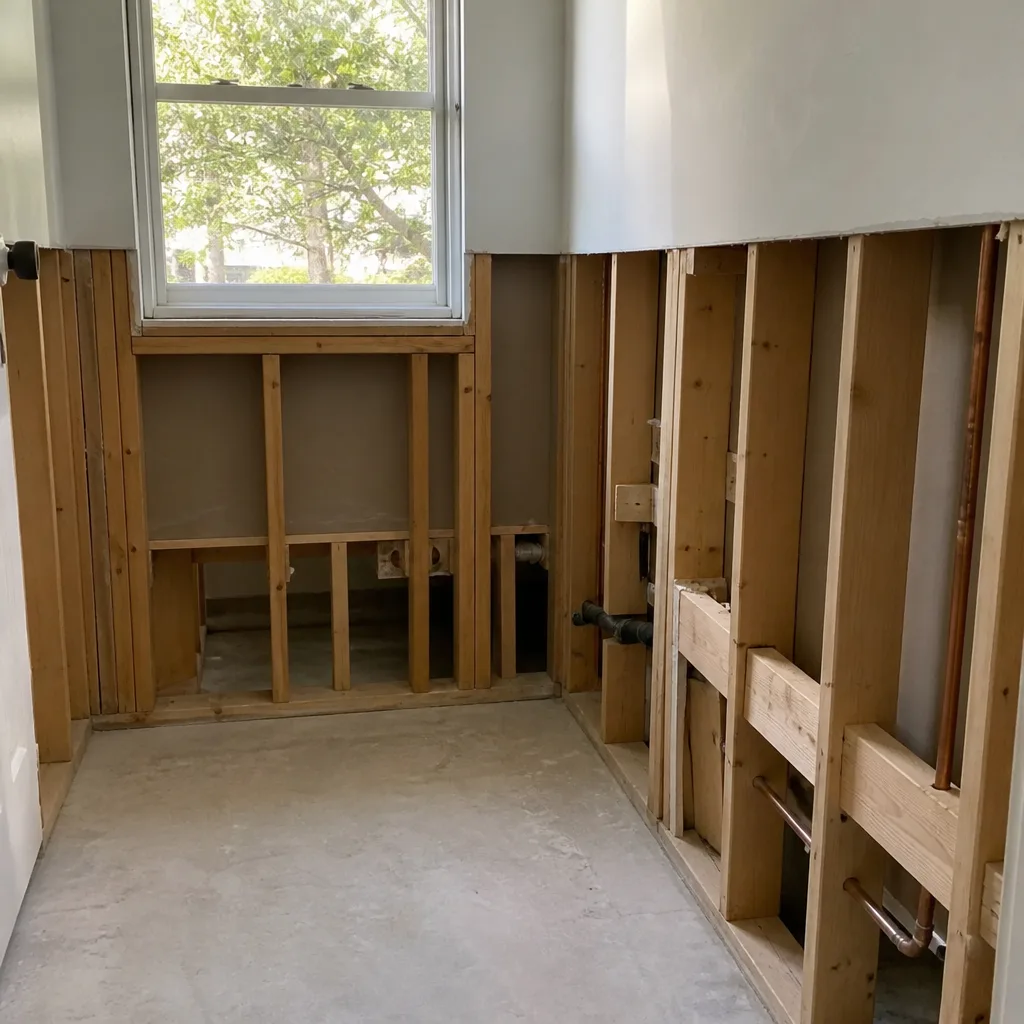 Mold remediation
 Storm response
 Sewage cleanup
 Reconstruction
Free visual inspection and a written scope of work before any mitigation begins - photos, moisture readings, and drying logs go in your claim file
The scope we write is the scope we bill. Anything new gets shown to you, in writing, before we touch it.
Get your free estimateRestoration work we handle
See the difference
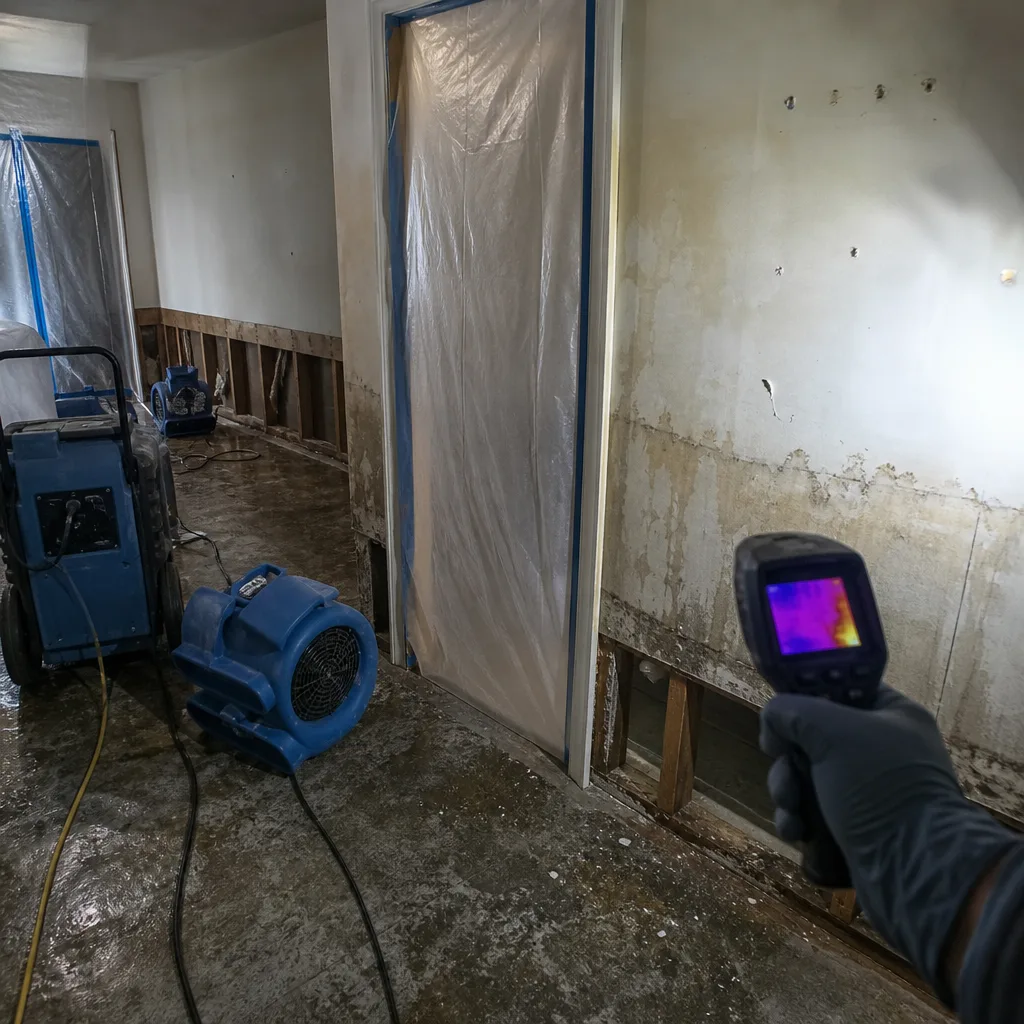 Before
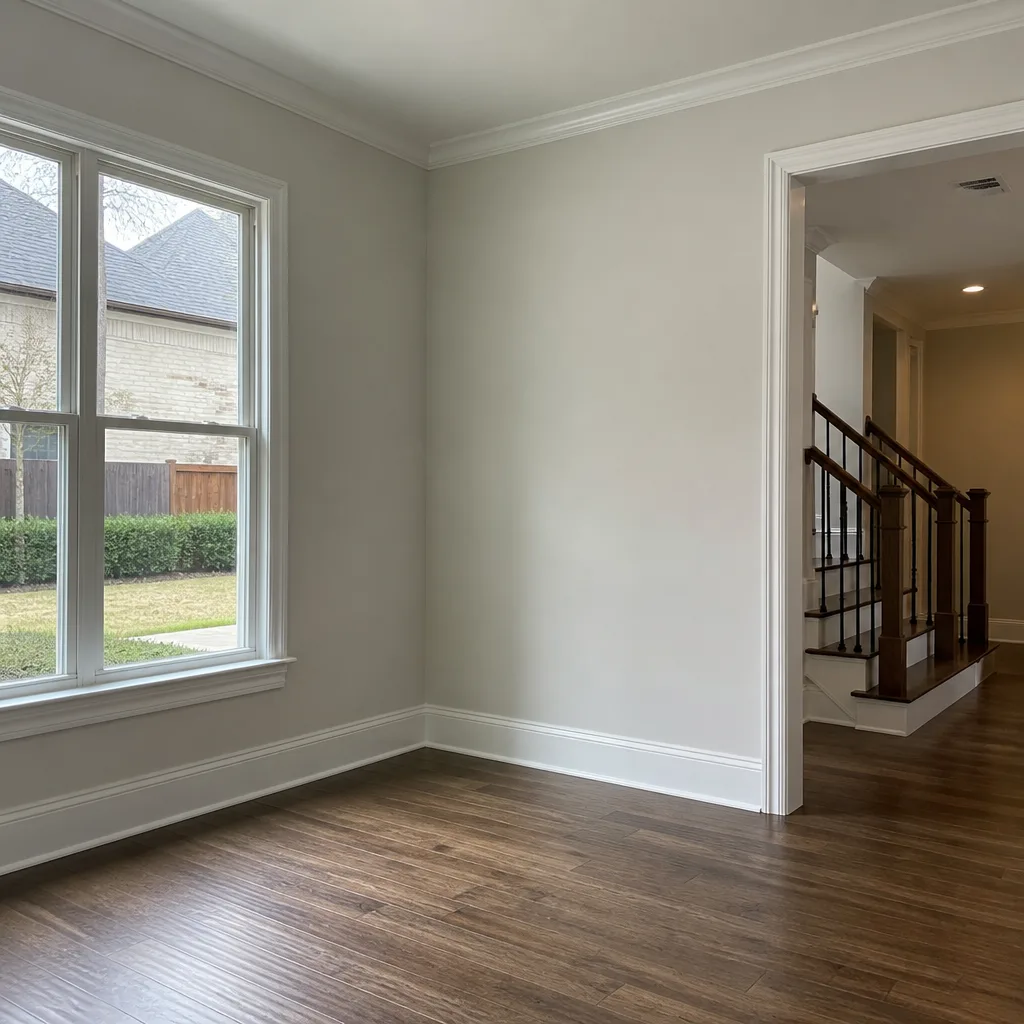 After
After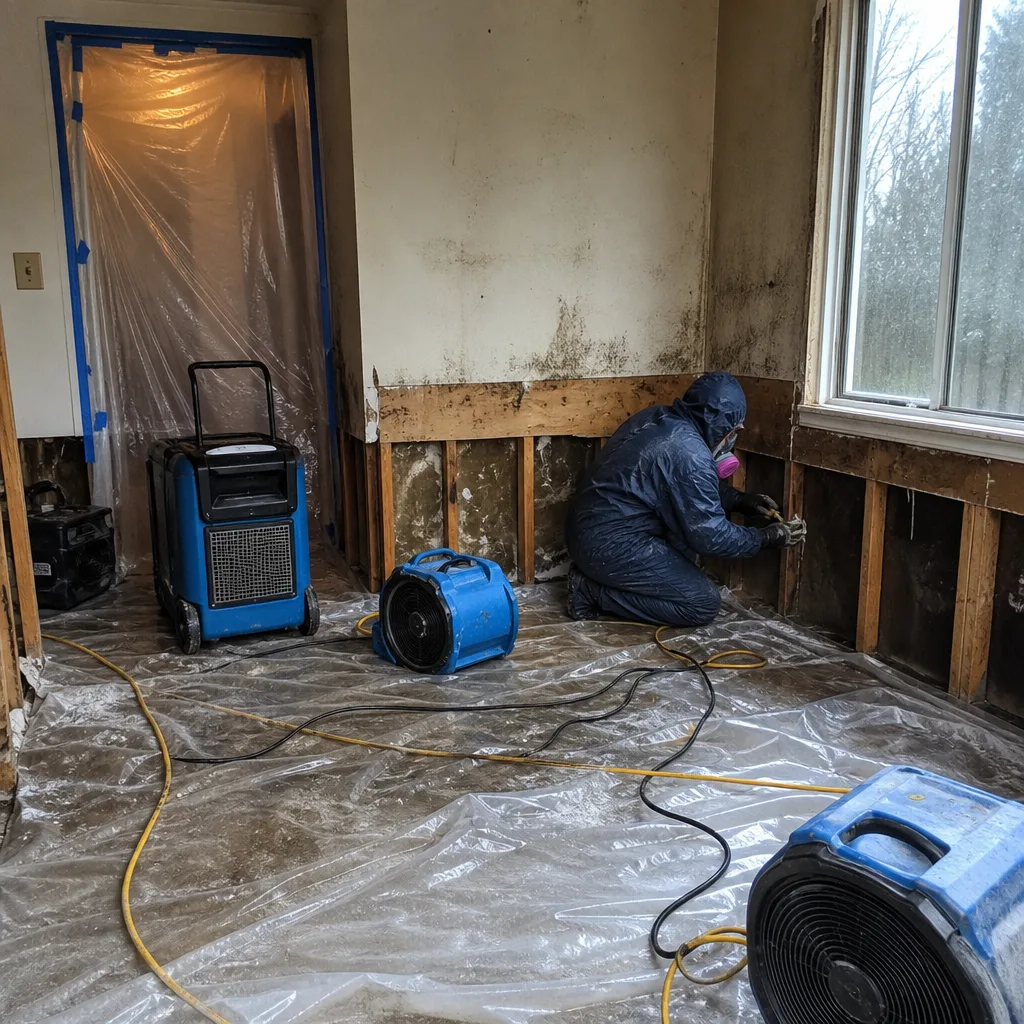 Before
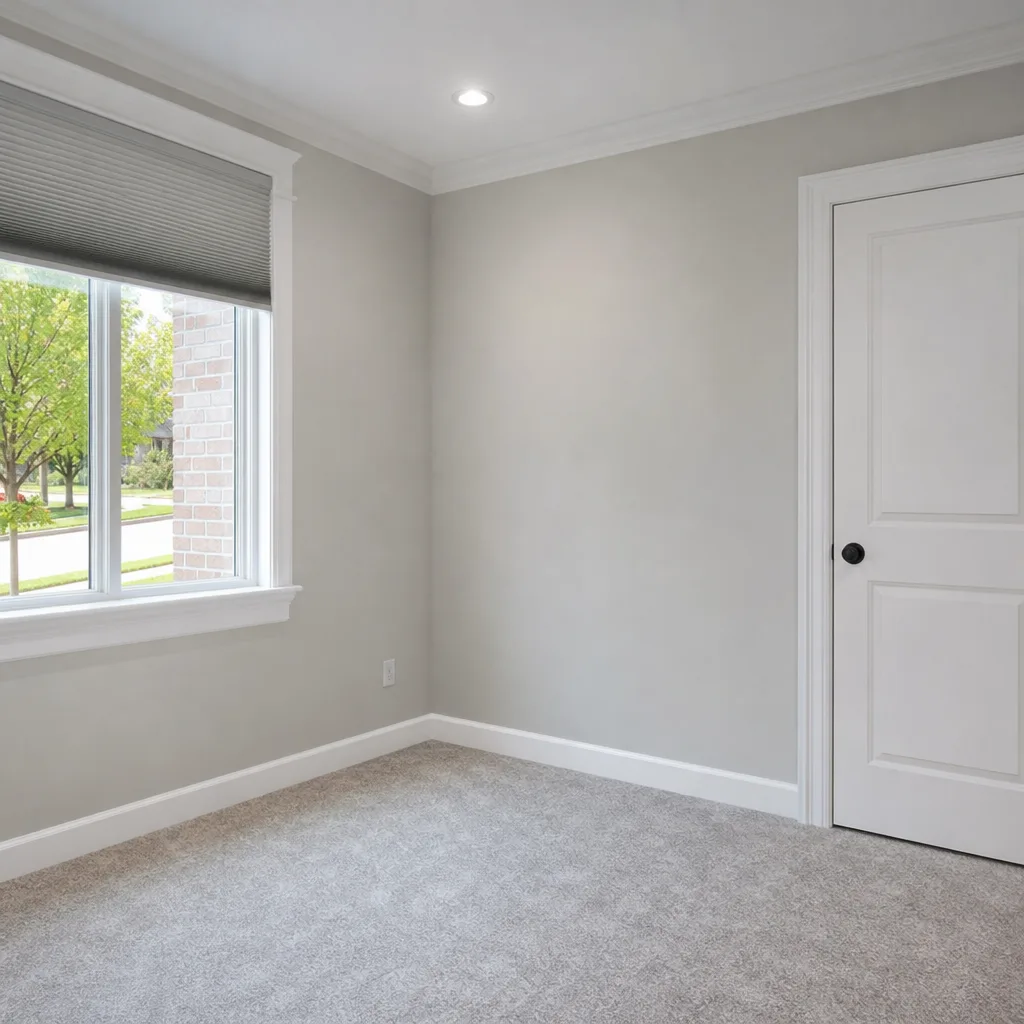 After
After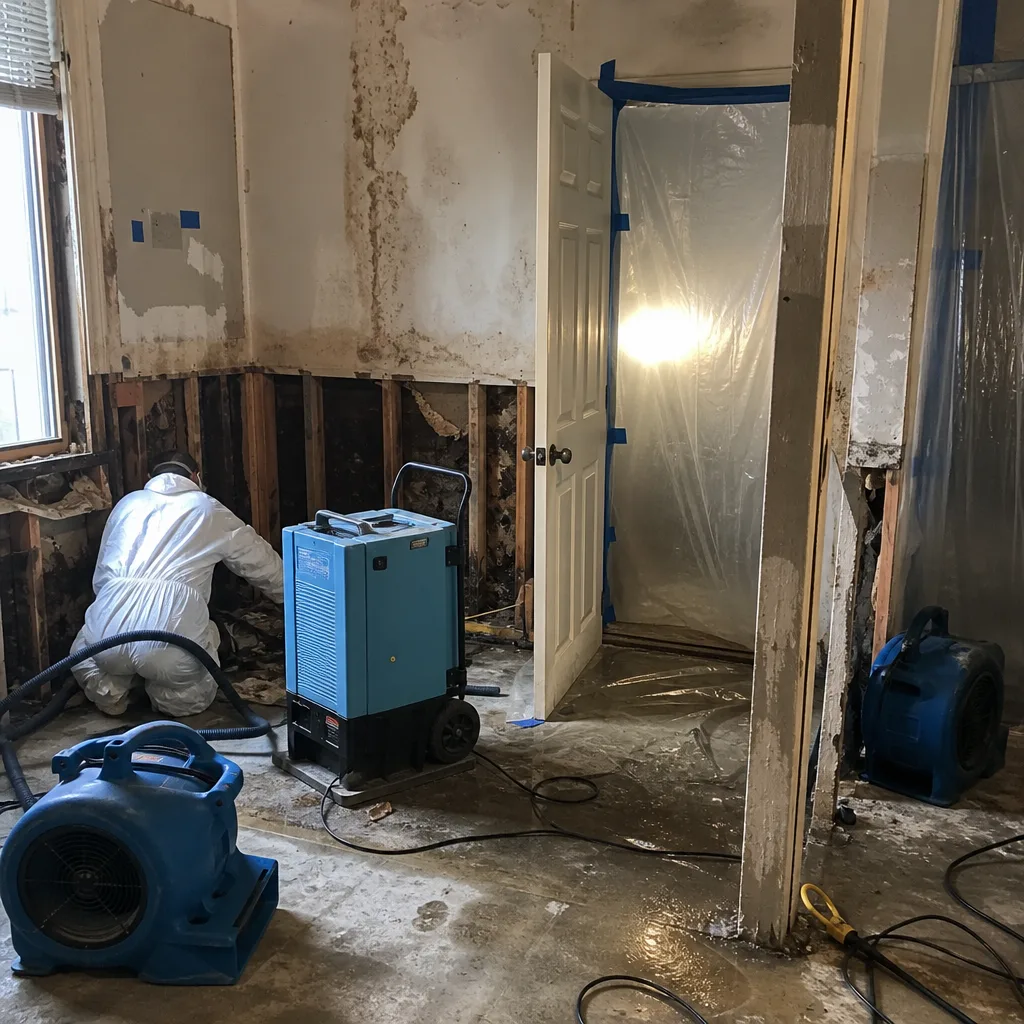 Before
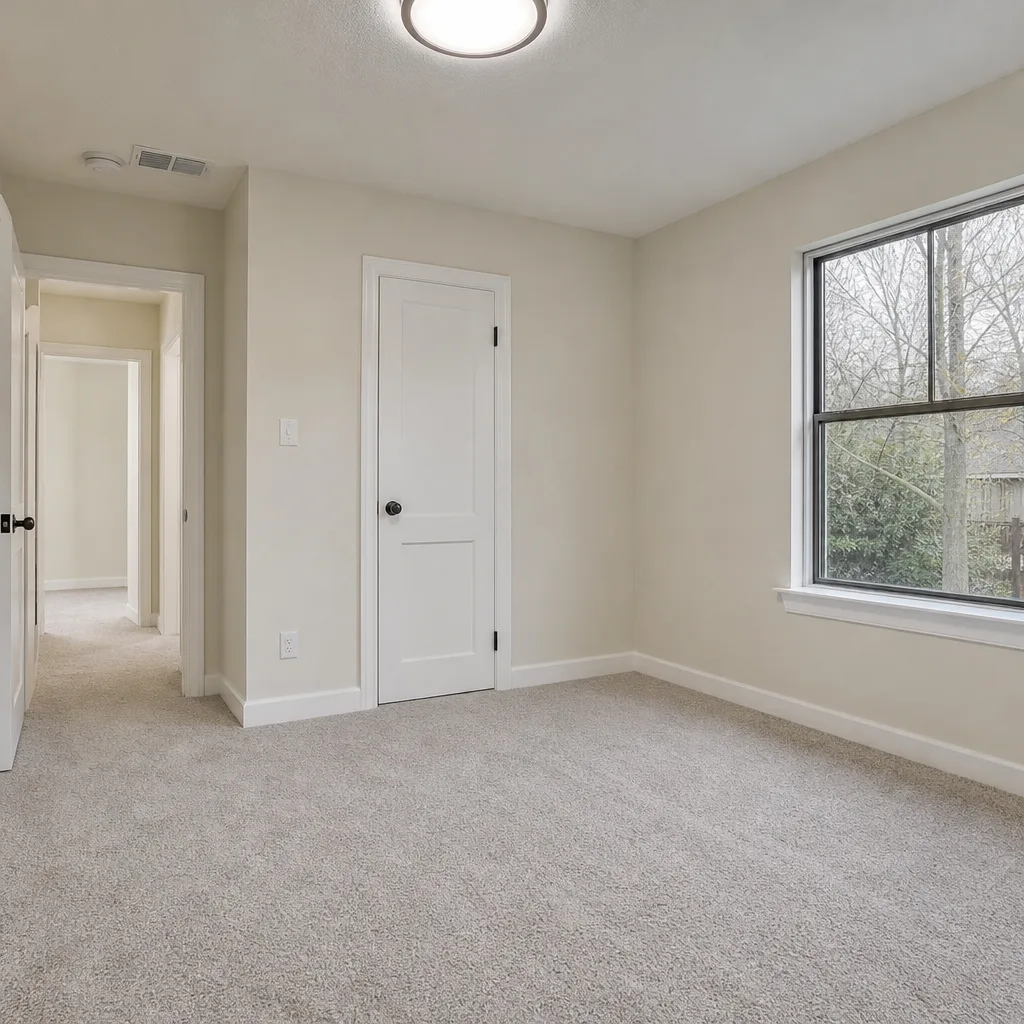 After
AfterHow Much Does Water Damage Restoration Cost in Dallas?
Water Damage Restoration services in Dallas typically cost between $1,200 and $4,500 for most residential jobs, with the average homeowner spending around $2,800 in 2026. That range covers everything from a small supply-line leak behind a bathroom vanity to a ruptured water heater that soaked two rooms of carpet and drywall. For a straightforward water extraction with drying equipment set for three days, most Dallas homes fall between $1,500 and $3,200.
Those numbers come from what we actually write on work orders across Dallas neighborhoods every week, from Lakewood to Oak Cliff to Far North Dallas, for Water Damage Restoration Near Me in Dallas, TX. Before any equipment comes off the truck, you get a written price. That’s not a courtesy at Marsh Water Damage Dallas. It’s the rule.
Water Damage Restoration Cost Breakdown (2026)
Here’s what each part of a typical Dallas water damage restoration job costs in 2026. These are line-item ranges we see on real work orders in this market, not national averages pulled from a database.
| Service | Typical Dallas Cost Range | What It Includes |
|---|---|---|
| Emergency water extraction | $350 – $900 | Removing standing water with truck-mounted or portable extraction units; includes moisture mapping to find hidden water |
| Structural drying (3-5 days) | $600 – $1,800 | Commercial air movers and dehumidifiers running until psychrometric readings confirm the structure is dry |
| Drywall removal and disposal | $3.50 – $6.50 per sq ft | Cutting out saturated drywall, bagging it, and hauling it off; includes baseboard removal where needed |
| Flooring removal | $2 – $5 per sq ft | Pulling carpet, pad, laminate, or hardwood that can’t be saved; subfloor assessment included |
| Antimicrobial treatment | $250 – $700 | Applying EPA-registered antimicrobials to affected surfaces to prevent mold growth before rebuild |
| Dehumidifier and air mover setup | $200 – $450 per day set | Commercial-grade units from Dri-Eaz, Phoenix, XPOWER, B-Air, or Injectidry, monitored daily |
| Rebuild (drywall, paint, trim) | $1,000 – $6,000+ | Replacing what was removed; this is the widest range because square footage varies dramatically |
What drives cost one direction or another? Three things, mostly. First, how long the water sat before you found it. A Burst Pipe Restoration scenario like a supply line that burst while you were at work has been soaking into drywall and subfloor for eight hours before anyone notices. That’s a much bigger job than a dishwasher overflow caught in five minutes. Second, what got wet. Tile over concrete dries out and you’re done. Carpet and pad over a wood subfloor means pulling the carpet, pulling the pad, drying the subfloor, and often replacing both. Third, the water source. Clean water from a supply line is a straightforward extraction and dry. Sewage or floodwater from White Rock Creek during a spring storm is a different category entirely: contaminated water means more demolition, more antimicrobial treatment, and more protective equipment on the crew.
In Dallas specifically, slab foundations and Basement Water Removal needs change the drying equation. Most homes here sit on concrete slabs, not crawl spaces. That’s good news for drying speed on the ground floor because there’s no crawl space holding moisture, but it’s bad news in one specific way: water that runs under walls gets trapped between the slab and the sill plate, and it wicks up into wall cavities fast. We find that in neighborhoods like Richardson and Garland all the time, and it’s why our first step is always moisture mapping, not just extraction.
What Affects Water Damage Restoration Pricing in Dallas
Dallas is its own market with its own pricing realities. Here are the factors that move your number.
- Slab foundation construction. Most Dallas homes are slab-on-grade. When water saturates the first floor, baseboards and lower drywall sections absorb it much faster than in pier-and-beam homes. More drywall removed means a bigger rebuild estimate.
- Age of the home. Dallas has thousands of homes built between 1950 and 1980. Older homes in areas like East Dallas and Casa View often have plaster walls instead of drywall and may have original hardwood floors worth saving. Plaster is denser and dries slower. Salvageable hardwood requires a different, sometimes costlier drying approach than removal and replacement.
- Water category. Category 1 is clean water from a supply line or faucet. Category 2 carries contaminants from appliances like washing machines or dishwashers. Category 3 is sewage, floodwater, or river water. The category determines how much material gets removed and how aggressive the antimicrobial treatment needs to be. Category 3 jobs in Dallas routinely run 40-60% higher than Category 1 jobs of the same square footage.
- Time before response. After about 48 hours, wet drywall starts supporting microbial growth. If the water sat for a weekend, you’re paying for mold remediation prep on top of water extraction. Fast response is genuinely cheaper, which is why our phones are answered by a live person 24/7 and we can have a technician at most Dallas addresses within 60-90 minutes of your call.
- Seasonal storm volume. Dallas gets two water-heavy seasons. Spring thunderstorms in April through June bring hail, wind, and roof leaks. Hurricanes that push inland from the Gulf sometimes reach us as heavy rain systems in late summer and early fall. When a big storm hits, material costs and crew availability shift. Booking more quickly than the slowest responder matters for price.
- What can be dried vs. what must be replaced. This is the biggest single variable. A technician with training and the right equipment, which means IICRC-credentialed techs running Dri-Eaz and Phoenix gear, can often dry and save materials that a lesser operator would tear out. Less demolition means a smaller rebuild bill.
How to Save on Water Damage Restoration
You can’t shop around for three hours while water keeps soaking into your walls. But you can do these things to keep the final number down.
Shut the water off immediately
Every minute the supply line runs, the affected area grows. Know where your main shutoff is. If you don’t have a water shutoff wrench, buy one this weekend. They cost about $12 at any Dallas hardware store. In a slab home, a leak under the kitchen sink that runs for an hour versus six hours can be a $1,200 difference.
Call before you move furniture
Moving a wet couch or pulling up wet carpet yourself can grind saturated water deeper into padding and subfloor. It also spreads contaminated water across dry areas. Let the extraction team get there first. The exception: if the water is from a clean supply line and you can safely move small items to dry ground, do it. Just don’t drag wet things across dry rooms.
Ask for the written price up front
You should never get a vague “we’ll see how it goes” when you ask about cost. At Marsh Water Damage Dallas, every job gets a written price before equipment starts going in. That document covers the scope of work, the line items, and the expectations for drying time. If a contractor won’t put it in writing before they start cutting drywall, call someone else.
Don’t skip the drying step to save money
It’s tempting to say, “Just get the water out, I’ll run fans.” Here’s what happens in Dallas in the summer: the humidity is already high, your AC is running constantly, and the damp air just moves moisture deeper into porous materials. Psychrometric readings, which is just the technical term for measuring the moisture content in the air and materials, tell us when your walls and floors are actually dry, not just dry to the touch. Skipping professional drying to save $600 often leads to a $3,000 mold remediation later. That’s not a scare tactic. It’s a math problem.
Call (432) 529-4284 for a free estimate
Every Marsh Water Damage Dallas estimate is free. A live person answers, asks a few questions about what happened and what’s wet, and gives you a real price range before a technician ever starts driving. If the scope changes once we see what’s behind the wall, you’ll know about it in writing before the work changes.
Water Damage Restoration Timeline in Dallas (Step by Step)
If you’ve never gone through a water damage claim, here’s the sequence, from the first phone call to the final walkthrough. Every step has a cost attached, which is why understanding the process protects your wallet.
Step 1: Emergency response and water stop (within 60-90 minutes in most Dallas neighborhoods)
A technician arrives, confirms the water source is stopped or helps you shut it off, and does a quick visual assessment. This visit costs nothing at Marsh. If you’re not our customer yet, the assessment is still free. The clock matters here: the faster we start, the smaller the affected area becomes.
Step 2: Moisture mapping and written scope (30-60 minutes)
Using moisture meters and thermal imaging, we map exactly where the water went. Water in a wall cavity doesn’t stop at the visible stain. It runs along pipes, settles under baseboards, and gathers at low points. The map tells us what to remove, what to dry, and what to treat. Then you get a written price based on that scope. No surprises later.
Step 3: Extraction (1-3 hours)
Standing water comes out through truck-mounted extraction or high-volume portable units, depending on where the water sits. On a typical slab home in areas like Farmers Branch or Carrollton, expect this to cost between $350 and $900, depending on volume and contamination level.
Step 4: Demolition and removal (2-6 hours, same or next day)
Unsavable drywall, insulation, carpet pad, and sometimes flooring gets cut out, bagged, and hauled away. This is the loud, dusty part. You’ll know before we cut what’s coming out, and the written price already covers it.
Step 5: Structural drying (3-5 days typically)
Commercial air movers and dehumidifiers run continuously. We check daily, adjust equipment placement, and take psychrometric readings. In Dallas summers, dehumidifiers work harder because the outside air is already saturated. The target is simple: the structure’s moisture content returns to the same level as an unaffected area of your home.
Step 6: Antimicrobial application and cleanup (1-2 hours)
Before any rebuild, we treat affected surfaces with an EPA-registered antimicrobial. In a Category 3 job, this step is non-negotiable and more extensive. In a Category 1 supply line break, it’s a preventive measure that’s still worth doing.
Step 7: Rebuild and final walkthrough (1-5 days, scheduled after drying is confirmed)
New drywall goes up, textured to match, primed and painted. Trim and baseboards go back. Flooring is replaced if it was removed. At the end, you get a written guarantee on the full job, and we walk the space with you to make sure it’s right. If something’s not right within 365 days, we come back and make it right. That second visit is free. It’s part of the deal, printed on the work order.
Water Damage Restoration Costs by Dallas Neighborhood
Pricing doesn’t shift dramatically by ZIP code the way it does in some cities, but there are patterns worth knowing. Home age and construction type drive most of the differences.
- Lakewood and East Dallas: Many homes built 1920-1960, often pier-and-beam with original hardwood. Drying tends to take longer because crawl spaces hold humidity. Hardwood rescue attempts cost more than replacement-floor builds but preserving original floors in these neighborhoods is nearly always worth it for resale.
- Far North Dallas and Addison: Mostly 1970s-1990s slab construction with drywall and carpet. These extract and dry quickly, which keeps labor costs down. The exception is the older townhome stock near the Galleria, where shared walls complicate drying.
- Oak Cliff and Bishop Arts: A mix of pier-and-beam older homes and updated flips. Sewer line breaks are more common in the oldest blocks, which means Category 3 water and higher removal costs.
- Plano and Richardson: Dense suburban slab homes with quick access to major roads. Response time is short, which reduces total drying days and the associated equipment rental.
FAQs – Water Damage Restoration Cost in Dallas
How much does water damage restoration cost per square foot in Dallas?
Most Dallas water damage jobs run between $4 and $10 per square foot when you include extraction, drying, and basic rebuild. A 300-square-foot flooded living room typically lands between $1,200 and $3,000 all in. That’s for a Category 1 clean-water event. Call (432) 529-4284 and a live person will give you a more specific range based on what happened and what got wet.
Does homeowners insurance cover water damage restoration in Dallas?
Sudden and accidental water damage, like a burst pipe or an overflowing washing machine, is covered by most standard Texas homeowners policies. Gradual leaks, poor maintenance, and groundwater flooding are typically excluded unless you carry a separate flood policy, which many Dallas homeowners don’t. We work directly with your insurer and document everything with photos and moisture readings so your claim has the evidence adjusters need.
Is it cheaper to repair or replace water-damaged flooring in Dallas?
For carpet and pad in a soaked room, replacement is almost always cheaper, generally $4 to $8 per square foot installed in Dallas. For hardwood, it depends on how long it was wet. Hardwood that’s been wet for under 24 hours can often be dried and refinished for $6 to $12 per square foot, while full replacement runs $12 to $25 per square foot. A technician using moisture meters can tell you within the first hour which path makes sense.
Can water damage restoration be done the same day in Dallas?
Extraction and demolition start the same day in most cases. A live person answers every call at (432) 529-4284, 24 hours a day, and a technician can typically be at most Dallas addresses within 60 to 90 minutes. Full drying takes 3 to 5 days no matter who you call, because physics doesn’t negotiate. What you get from us is a written price before the truck unloads and a written guarantee when the job is done.
How much does mold remediation cost after water damage in Dallas?
If water sat for more than 48 hours, mold remediation adds $1,500 to $6,000 to the job, depending on the affected area and whether it penetrated wall cavities. That’s why fast response matters financially. The extraction and drying portion of the job is always cheaper than the remediation portion, and you can avoid most mold problems entirely by getting water out within the first day.
Pricing reflects the Dallas market as of 2026. Marsh Water Damage Dallas offers free estimates – call (432) 529-4284.
What Our Customers Say
"Solid crew and a good drying job. The first day the tech was late because of another job, but the crew was thorough once they arrived."
- Marco V."Mold test came back clean after their drying. Peace of mind for us."
- Lydia F."Pipe broke under the sink and soaked the cabinet and floor. They extracted the water, removed the wet flooring, and documented everything for the insurance."
- Judith L.