
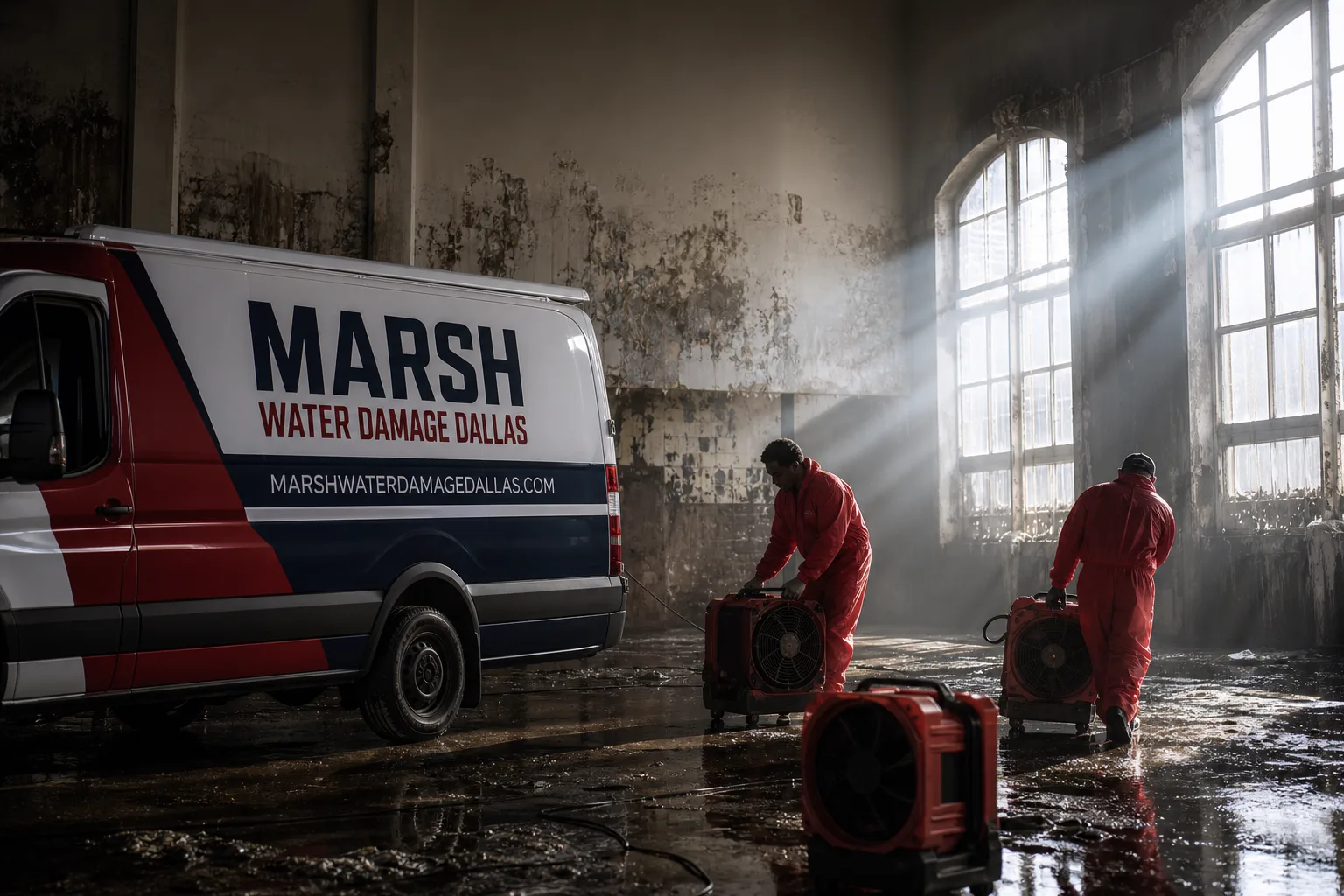
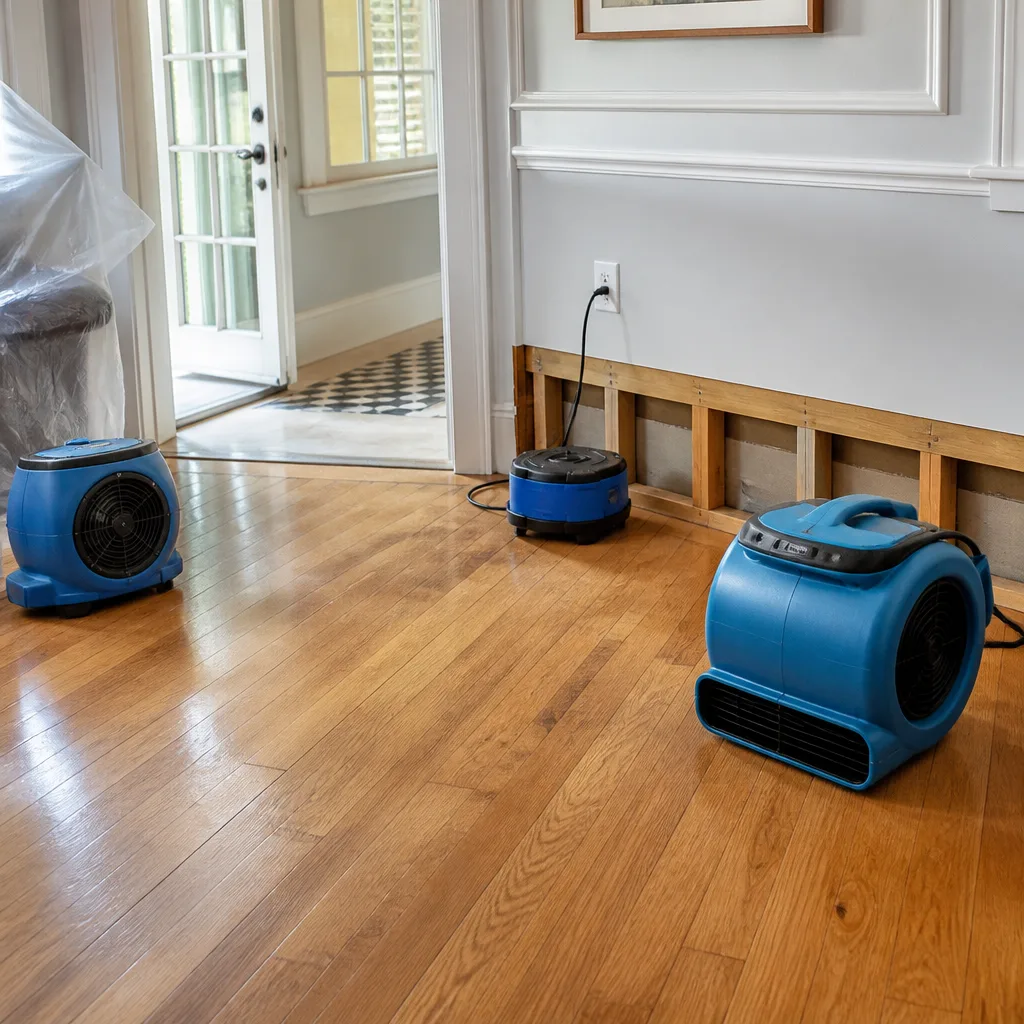
 Water damage drying
 Fire & smoke cleanup
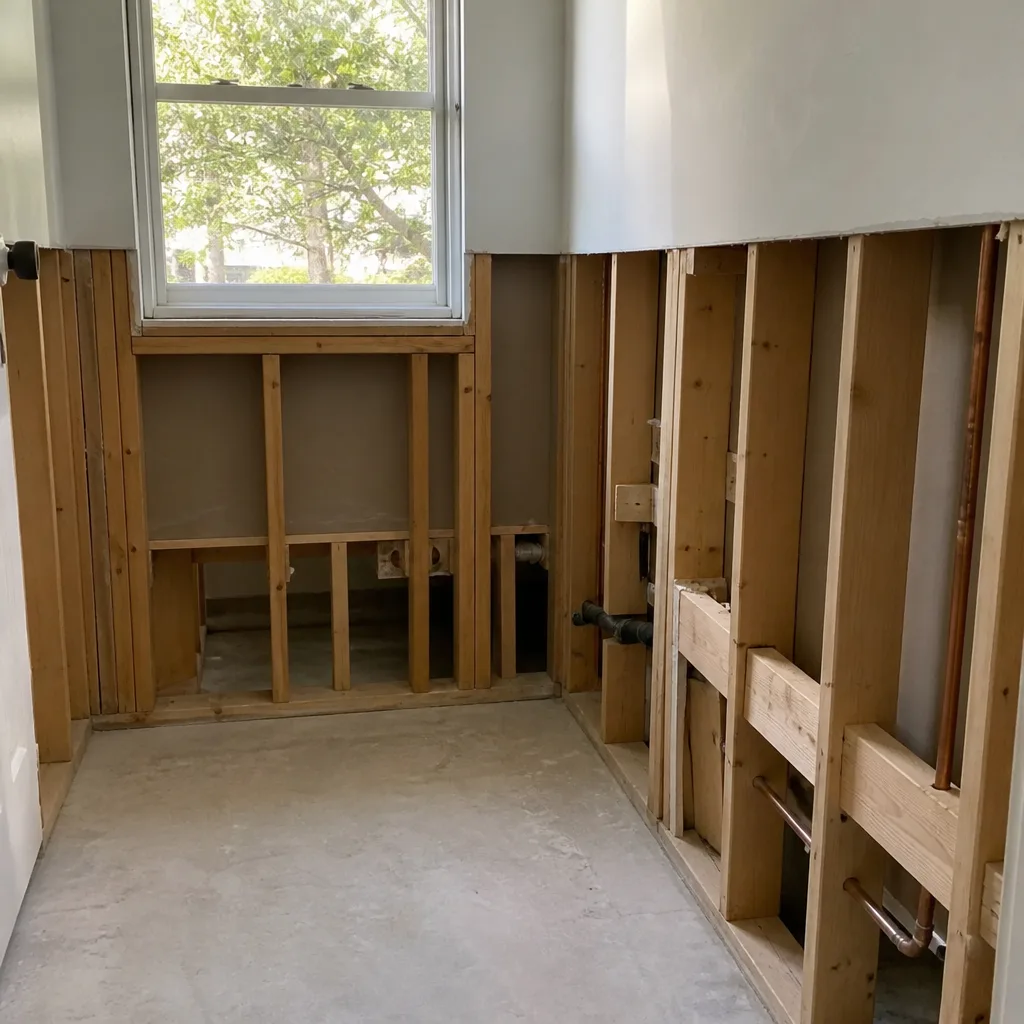 Mold remediation
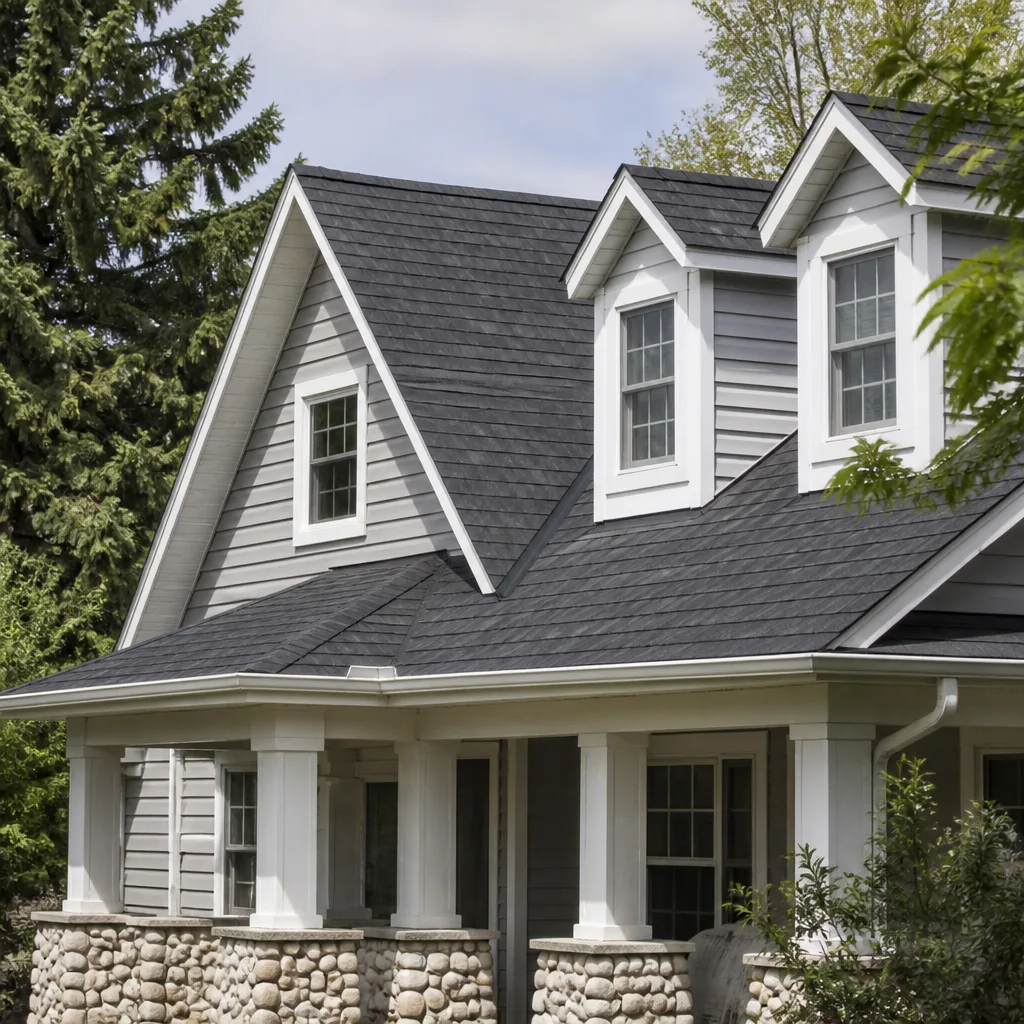 Storm response
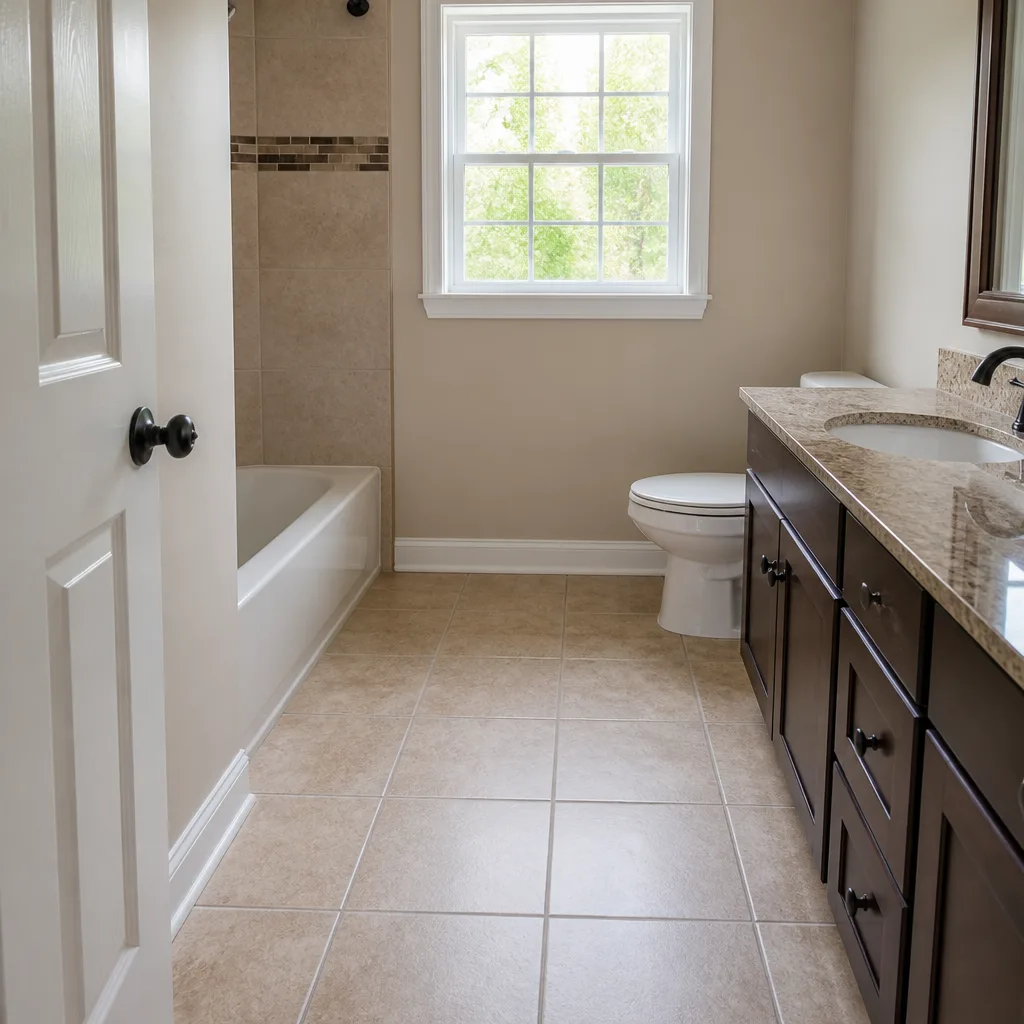 Sewage cleanup
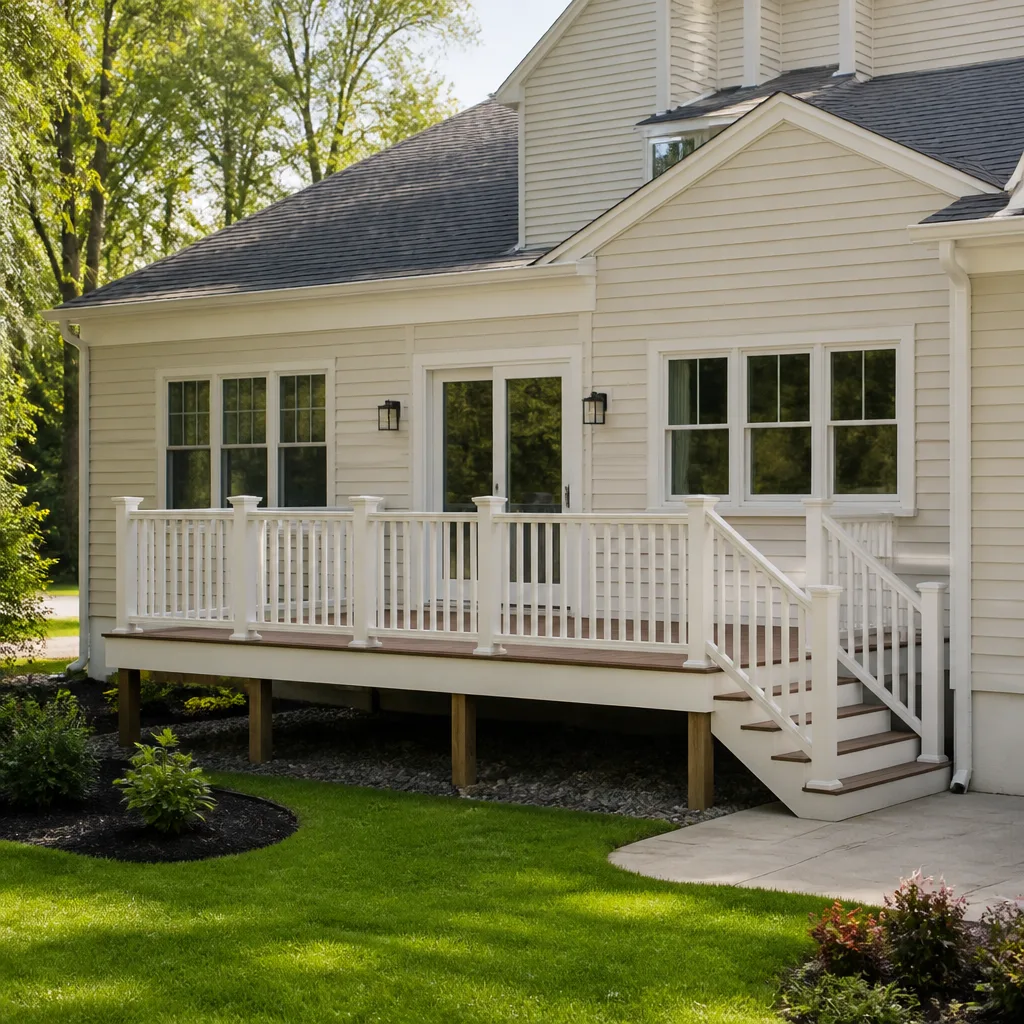 Reconstruction
Free visual inspection and a written scope of work before any mitigation begins - photos, moisture readings, and drying logs go in your claim file
The scope we write is the scope we bill. Anything new gets shown to you, in writing, before we touch it.
Get your free estimateFast, Reliable Mold Remediation Across Uptown Dallas
Mold remediation in Uptown Dallas typically costs $2,800 – $6,400 for a contained bathroom or laundry room job, and $9,000 – $22,000 when water damage has spread through multiple rooms or into wall cavities of a high-rise unit. We’re the local Mold Remediation team that shows up with a written scope, an HOA-aware plan, and a name and photo of your technician before anyone knocks. If you’re seeing dark spots on drywall, smelling that musty odor along McKinney Avenue or near Turtle Creek, or dealing with a leak that soaked your condo walls, call (432) 529-4284 now. A live person answers, day or night.
Why Marsh Water Damage Dallas Is Uptown Dallas’s Preferred Mold Remediation Company
We’ve worked in enough Uptown Dallas buildings to know that mold jobs here are never just about mold. They’re about HOAs, architectural review boards, quiet hours, shared corridors, and the building engineer who needs to sign off before we tape plastic across a hallway. Our crews have handled mold in 10-story glass towers off Cedar Springs, in 1920s brick low-rises off State Street, and in converted warehouse lofts near the Katy Trail. We know which buildings require Mold Remediation containment plans submitted 48 hours in advance, and which ones want a site walk with the property manager first.
Every technician who arrives in Uptown Dallas is background-checked, identity-verified, and photo-badged under our Threshold Verified standard. We send you their name and photo before the visit, and they show a matching ID at the door. Tobias Reyner leads our Dallas team, and he’s the one who signs off on every written guarantee. If a repair isn’t right within 365 days, we come back and make it right. That’s printed on every work order, not said over the phone and then forgotten.
Restoration work we handle
Mold Removal Contractor in Uptown Dallas
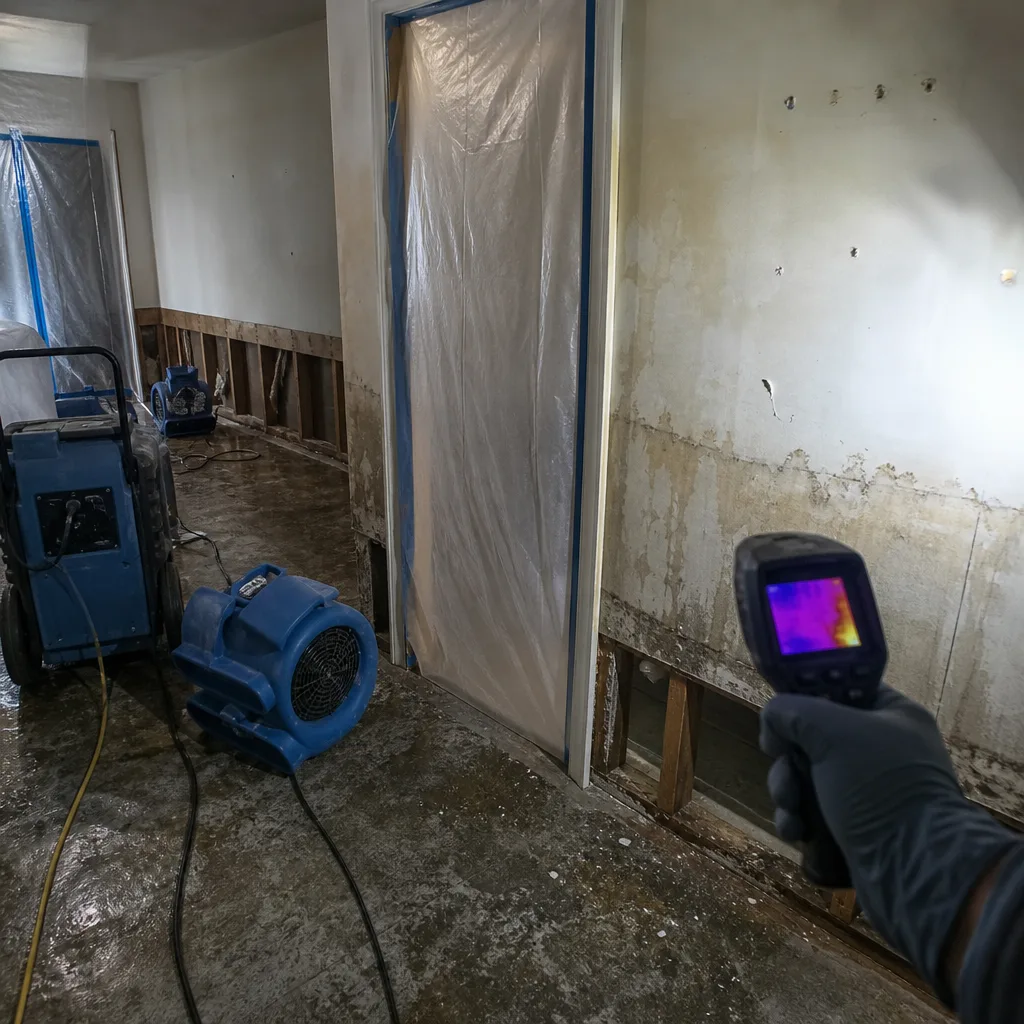
A mold removal contractor in Uptown Dallas does more than spray antimicrobial and rip out drywall. The job starts with containment: sealing off the affected unit or room with plastic sheeting and running negative air pressure so mold spores don’t drift into a neighbor’s unit through the shared hallway. In a high-rise, that means coordinating with the building engineer and HOA before the first sheet of poly goes up. Then we remove affected materials, treat the framing with antimicrobial solutions, dry the structure to the correct moisture content using Dri-Eaz dehumidifiers and air movers, and rebuild what we removed.
A typical mold removal contractor job in Uptown Dallas runs $2,800 – $6,400 for a contained bathroom or closet, and $7,500 – $15,000 when the affected area includes drywall behind cabinets, baseboards, or multiple rooms. The written price you get before work starts includes all containment, labor, disposal, drying equipment, and finish matching. Nothing gets added mid-job because a surprise was found. We find the surprises during assessment, not after demo begins.
HOA and ARB Coordination
We pre-clear the scope with your building’s architectural review board before setting up containment in common areas. The color of replacement drywall, the finish on trim, the placement of drying equipment in shared hallways, and the hours we run equipment all go through the approval channel your building requires. Homeowners who skip this step end up with violation notices. We’ve seen it happen, and we prevent it.
Written Scope, No Surprises
Before any mold removal starts, you get a written scope of work with line-item pricing and a written guarantee. Tobias Reyner reviews and signs off. You know what we’re removing, what we’re treating, what we’re rebuilding, and what it costs. That’s the only way we work in Uptown Dallas, and it’s why property managers keep calling us back.
Bathroom Mold Removal in Uptown Dallas
Bathroom mold removal in Uptown Dallas is our most common job, and it’s rarely as simple as scrubbing the tile. In older brick low-rises along State Street and Cole Avenue, slab leaks send category 3 water under bathroom floors, where it wicks up through grout and into drywall. In high-rises, a failed wax ring or a slow drain leak inside a plumbing chase soaks the wall cavity for weeks before anyone notices. By the time you see black spots on the ceiling or smell that musty odor, the mold behind the wall is often worse than what’s visible.
Bathroom mold removal in Uptown Dallas typically costs $1,800 – $4,200 when the damage is contained to one bathroom, including removal of affected drywall, antimicrobial treatment, drying, and finish matching. If the leak came from a plumbing stack shared by multiple units, expect the job to run $4,500 – $8,000 because the chase often spans several floors and the building engineer gets involved.
Floor-Level Mold and Wainscoting Care
We’ve restored bathrooms in 1920s brick buildings where the original wainscoting and hexagonal tile are protected by preservation rules. We don’t rip that out. We remove what’s actually affected, treat the framing, and match the finish to the building’s approved palette. The HOA notices when a contractor paints trim the wrong shade of white. We match it the first time.
High-Rise Shower and Stack Leaks
In post-tension concrete towers, a shower pan leak can’t be fixed by pulling up tile and letting the slab dry. The water sits in the mud bed, travels, and finds its way into the unit below. We use moisture mapping and InspectIR thermal imaging from our IICRC-trained team to trace the actual water path, then dry the cavity with Injectidry systems that pull air through the wall without opening the entire chase. This matters because opening a plumbing chase in a high-rise requires fire-rating restoration that most contractors don’t know how to do correctly.
Trusted Brands We Service in Uptown Dallas
When we set up drying equipment in a Uptown Dallas condo or low-rise, we run gear the building’s engineer already recognizes: Dri-Eaz dehumidifiers, Phoenix air movers, and B-Air filtration units. Our technicians carry IICRC, RIA, and IFA credentials, and they know how to set equipment without tripping hallway fire alarms or blowing breakers in older panel rooms. Because we stock parts and consumables for these brands at our Dallas-Fort Worth office, we don’t wait on a supply house when a high-rise job needs a second Phoenix unit at 9 p.m. We dispatch it from stock. That’s the difference between a three-day dry-out and a five-day one, and in a building where mold spreads through shared wall cavities, days matter.
See the difference
 Before
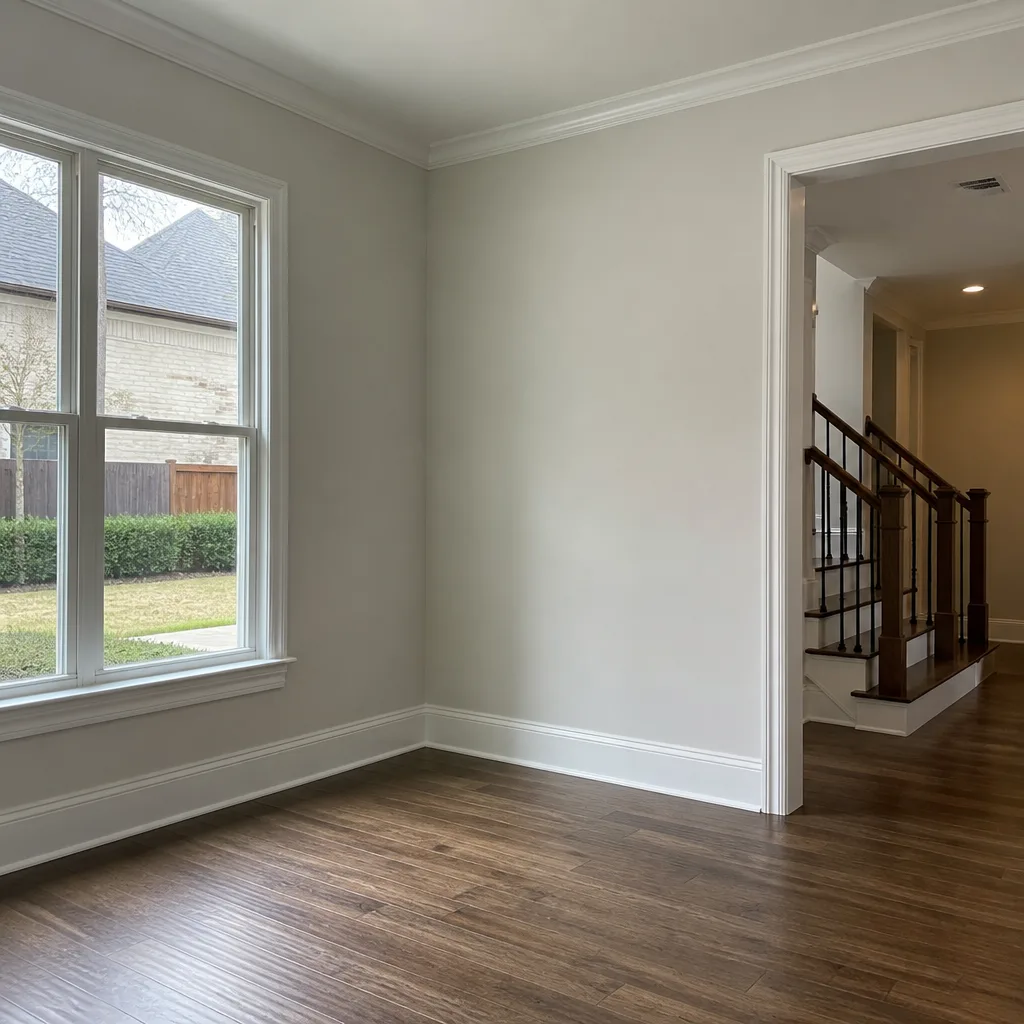 After
After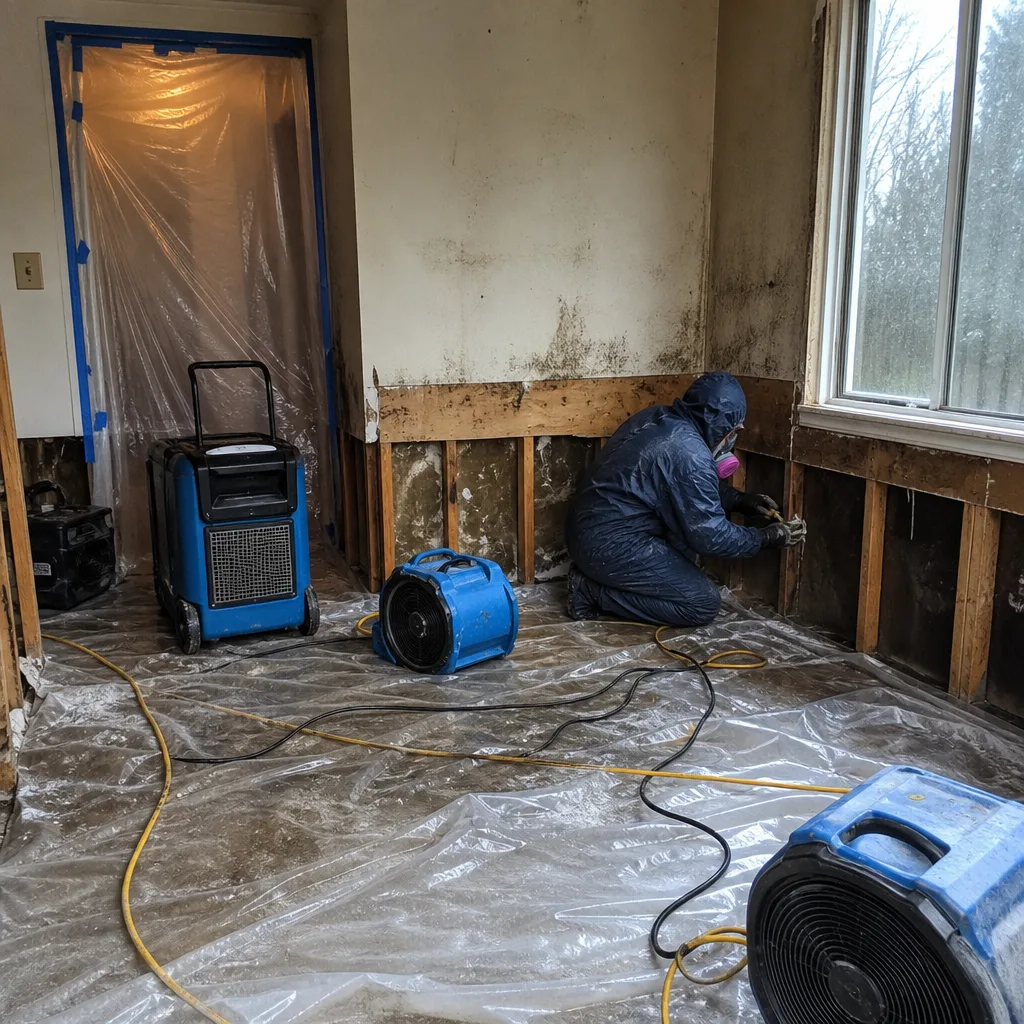 Before
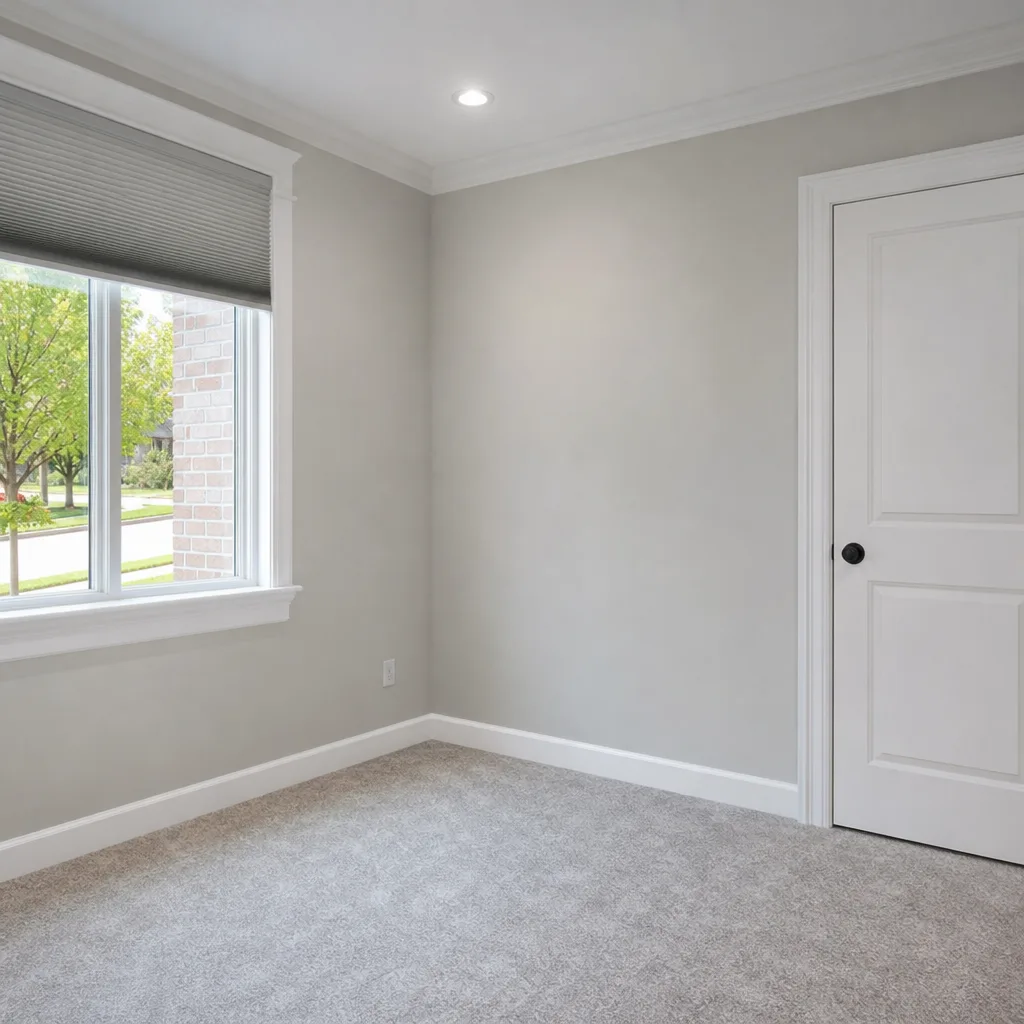 After
After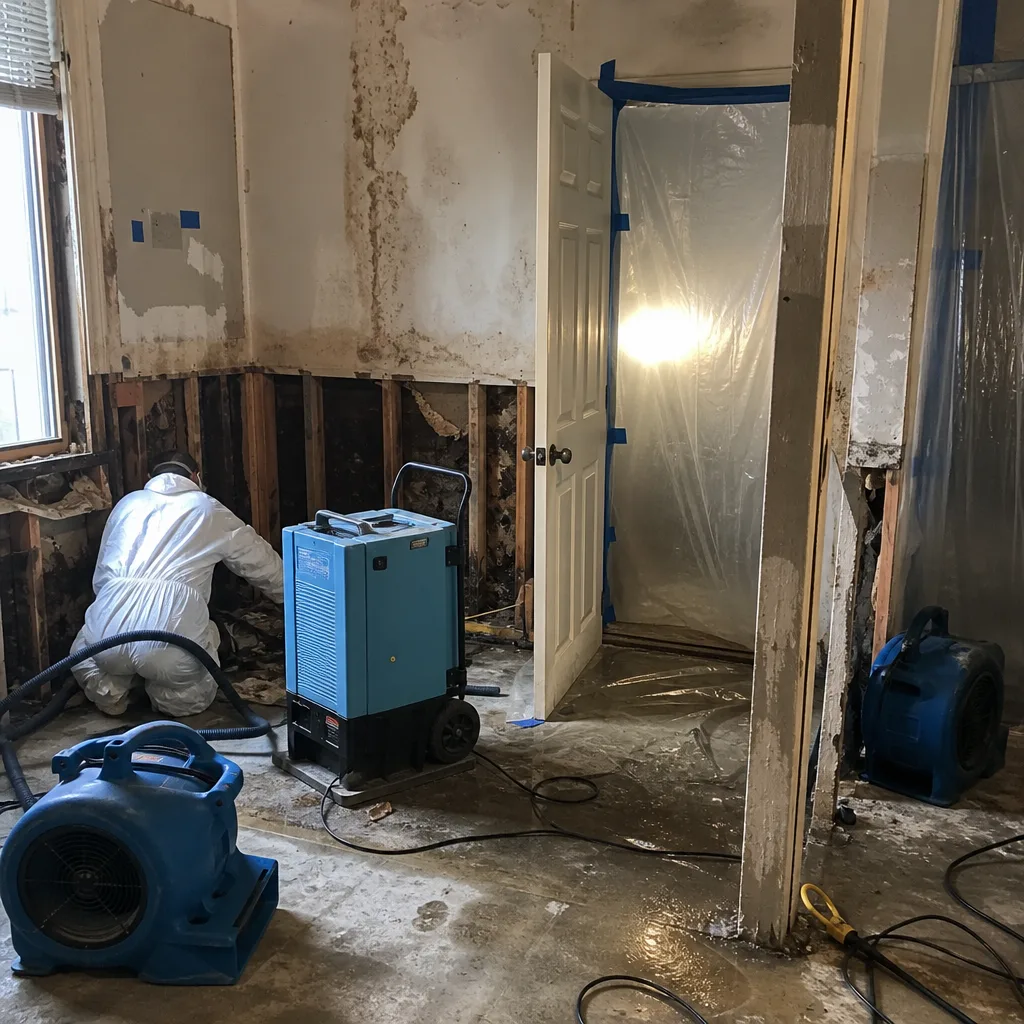 Before
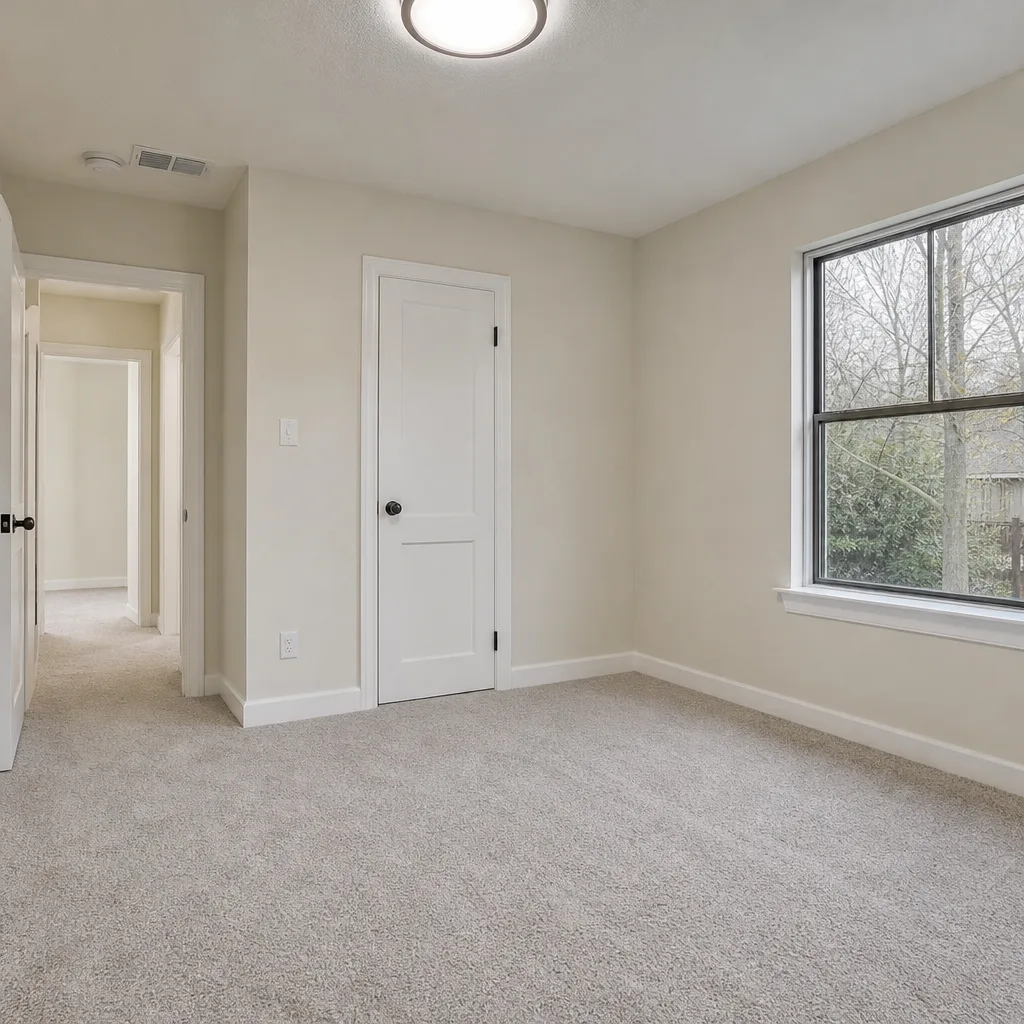 After
AfterCommon Mold Remediation Problems We See in Uptown Dallas Homes
- Hidden mold behind drywall in post-tension concrete slabs. In towers built since the 1990s, plumbing runs through metal stud cavities and post-tension cable sleeves. A pinhole leak soaks the wall cavity and nobody sees it until mold appears at the baseboard. We check behind baseboards and inside plumbing chases, not just visible drywall.
- Stop-work orders from HOA architectural review boards. Contractors who tape plastic across a shared hallway without pre-approval get shut down mid-mitigation. We pre-clear containment placement, equipment hours, and finish specs with the ARB so your job doesn’t pause for a board meeting.
- Loud drying equipment triggering neighbor complaints. Running unpermitted air movers during quiet hours in a high-rise gets the building engineer called. We stage equipment during approved hours, use quiet-rated models where required, and submit a drying plan the property manager signs before we start.
- Vertical water migration between stacked units. A failed ice maker line on the 15th floor of a Turtle Creek tower can soak units three floors below within an hour. When we respond to one unit, we check the units above and below because the water path in a high-rise is rarely contained to the unit where the leak started.
Pricing for Mold Remediation in Uptown Dallas, TX
Here’s what Uptown Dallas homeowners can expect, in real numbers. Bathroom mold removal runs $1,800 – $4,200 for a single contained bathroom. A mold removal contractor job affecting multiple rooms or shared wall cavities runs $2,800 – $6,400. Whole-unit remediation after a slab leak or vertical water migration from floors above runs $9,000 – $22,000 depending on how many wall cavities are involved and what finish work the HOA requires. Add $450 – $900 for independent mold inspection and testing if your building requires a certified lab report before issuing permits. We give you a written price before any work starts, not after demo begins. Call (432) 529-4284 for a free estimate with line-item pricing.
We Also Serve Cities Near Uptown Dallas
Our crews cover the neighborhoods surrounding Uptown Dallas, and we regularly handle mold jobs in Dallas proper including Preston Hollow, Lakewood, and the Medical District, plus Irving, Grand Prairie, and Grapevine. If you’re in a high-rise in Las Colinas or a 1950s ranch in Grand Prairie with a slab leak, the same written-price, written-guarantee standard applies. One phone number covers the whole metro: (432) 529-4284.
Serving Uptown Dallas, TX - Our Local Coverage Area
We’re based in the Uptown Dallas area and know this community well. Use the map below to see our service coverage - if you’re nearby, we can almost certainly help.
FAQs About Mold Remediation in Uptown Dallas
In most Uptown Dallas high-rise and low-rise buildings, yes, any containment barrier placed in a common corridor, any equipment staged in a shared hallway, and any visible finish change requires HOA or ARB pre-approval. We handle that paperwork for you. We submit the containment plan, the drying hours, and the finish specifications to whatever board or management company your building uses, and we don’t start invasive work until the approval comes back. If your building requires a specific containment barrier color or a certain plastic sheeting grade, we use that. Call (432) 529-4284 and we’ll tell you exactly what your building’s rules require before you spend a dollar.
We seal the affected unit’s supply and return vents with containment-grade poly, install a HEPA-filtered negative air machine to pull air from the affected area into a controlled exhaust path, and depending on the building’s system, we coordinate with the building engineer to shut or isolate the unit’s zone damper. We also place air scrubbers with HEPA filtration inside the containment area so any mold spores disturbed during removal get captured, not circulated. After the job, we run a post-remediation verification clearance to confirm spore counts inside the unit match the building’s baseline. If your building has a shared riser or central corridor return, we address that in the containment plan before work starts.
In the 1920s – 1950s brick low-rises along State Street, Cole Avenue, and parts of the State Thomas neighborhood, the mold-triggering water is most often category 3 water from slab leaks that carry soil bacteria into the wall cavity, or from sewage backups in cast-iron waste lines that have degraded over decades. Category 3 water changes the removal process because we treat it as contaminated, not just wet. That means full containment, removal of porous materials like drywall and carpet, antimicrobial treatment of the framing, and proper disposal under waste-handling protocols. We don’t just dry it and paint over it. In older buildings, we also test for asbestos in original drywall and plaster before cutting, because 1920s construction frequently contains materials that modern buildings don’t.
Yes, and this is one of the things that gets contractors in trouble in Uptown’s converted warehouse lofts. Buildings along the McKinney Avenue corridor and near the Katy Trail often have Architectural Review Board rules about paint sheen, trim profile, and even the exact shade of white allowed on original brick or timber features. We take paint samples before demolition, match them through a local supplier, and submit the finish spec to the ARB before we apply anything. If your loft has exposed brick that got wet, we clean and treat it rather than painting over it, because painting exposed brick in a converted loft is often a design-standard violation. We restore the original pre-loss condition, which is what most Uptown ARBs actually require.
In post-tension concrete towers, we never cut or drill into the slab, because hitting a post-tension cable is a structural emergency and a building-wide shutdown. Instead, we open only the drywall and metal stud cavities where the moisture is, using moisture mapping and thermal imaging to trace the exact water path. Then we dry those cavities with Injectidry systems that pull air through the wall cavity without requiring us to open the entire chase. We treat the framing with antimicrobials, verify the cavity is dry with psychrometric readings (measuring the moisture in the air and materials), and rebuild. The slab itself gets surface treatment only, and we coordinate with the building engineer on any chase penetrations to maintain fire-rating compliance.
Written by Tobias Reyner, Owner at Marsh Water Damage Dallas, serving Uptown Dallas and the surrounding metro since 2005.