
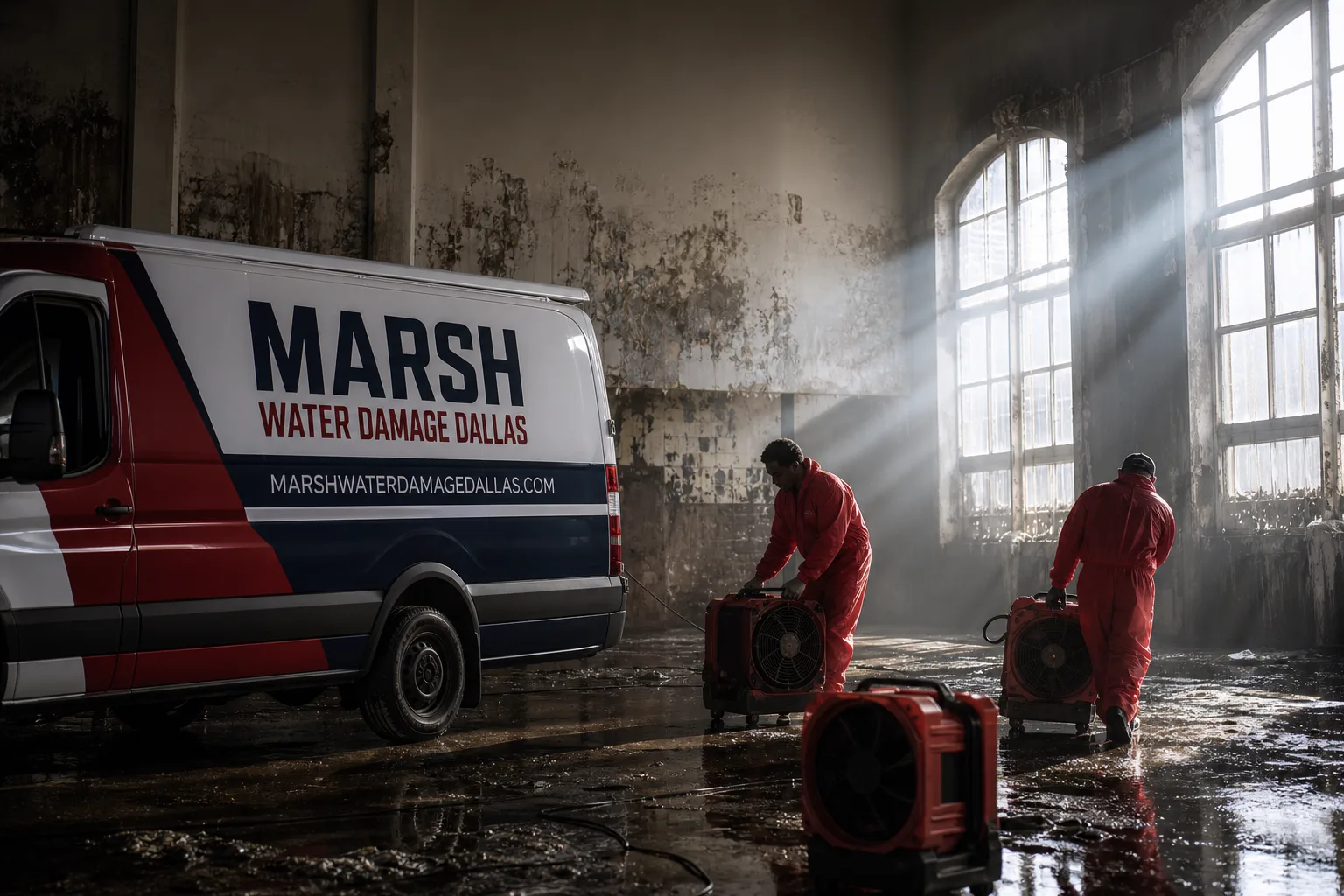
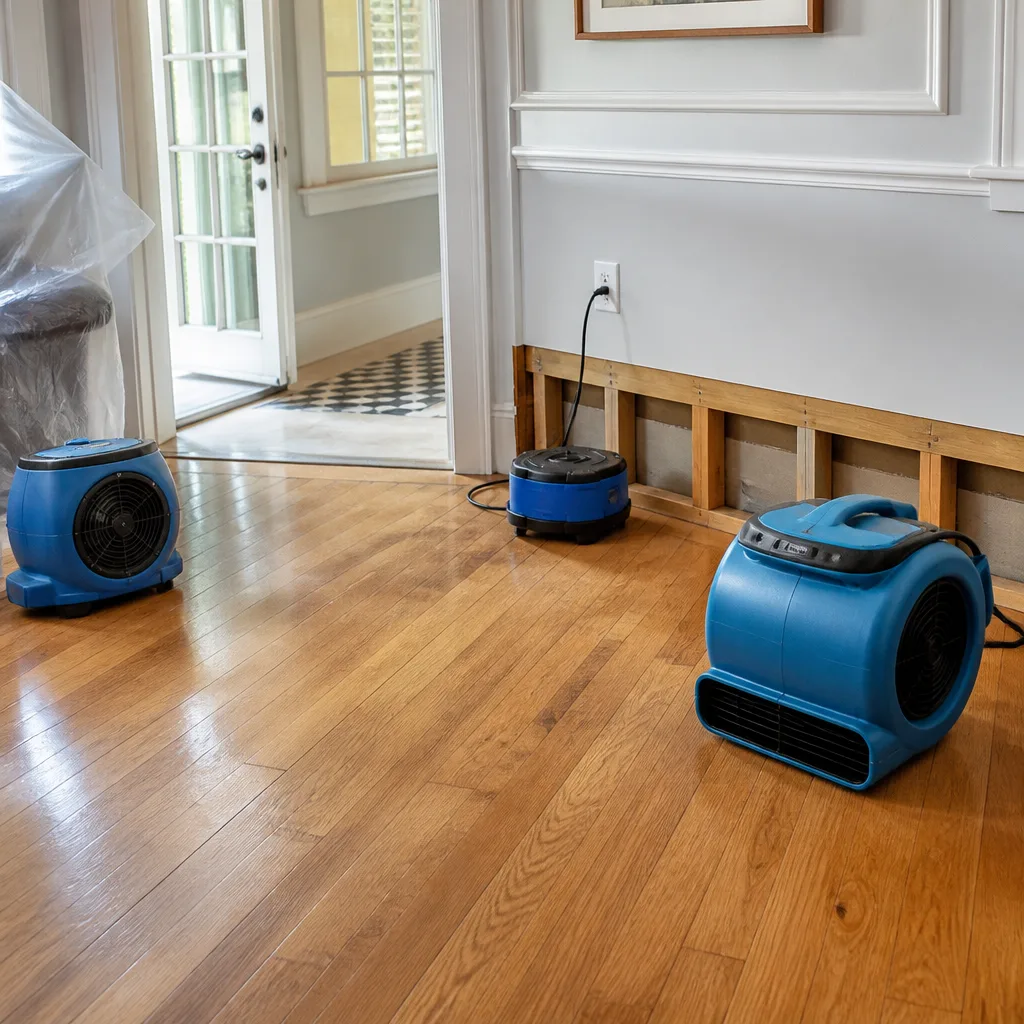
 Water damage drying
 Fire & smoke cleanup
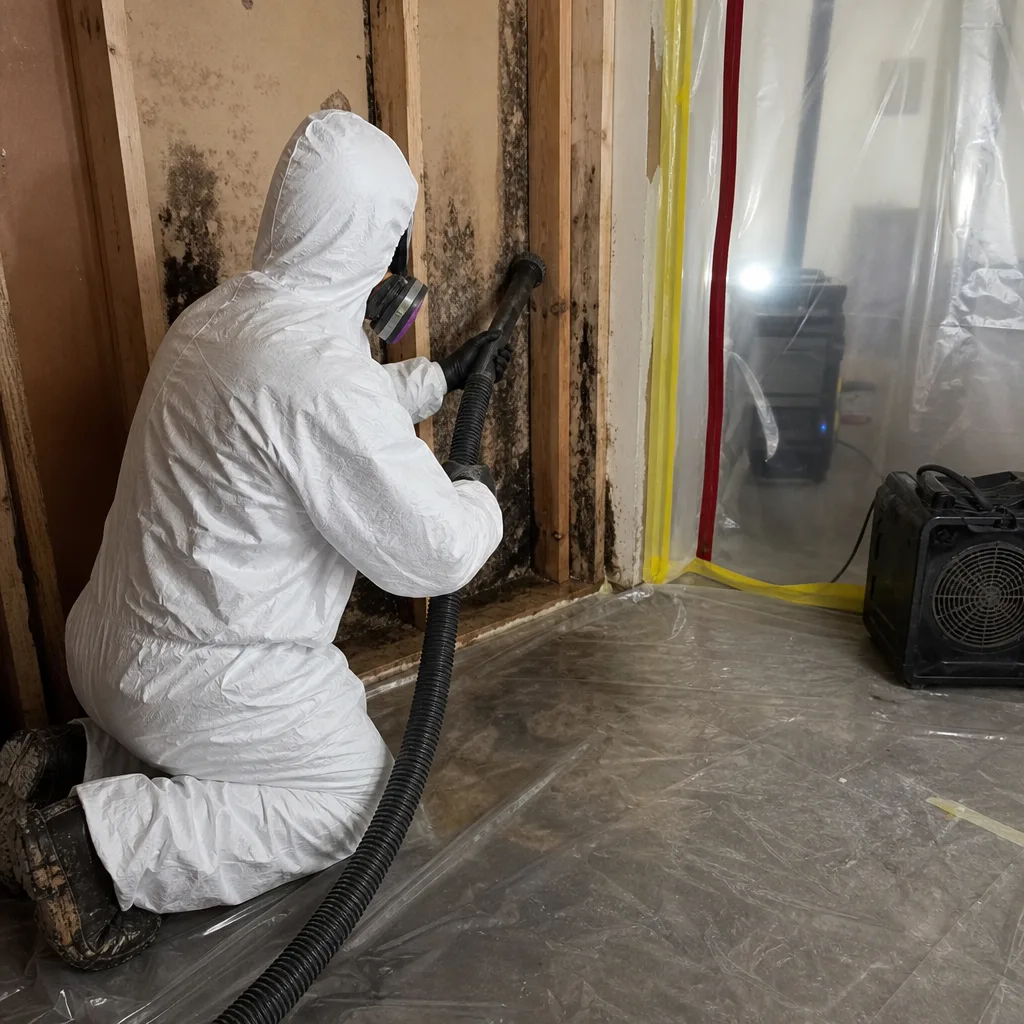
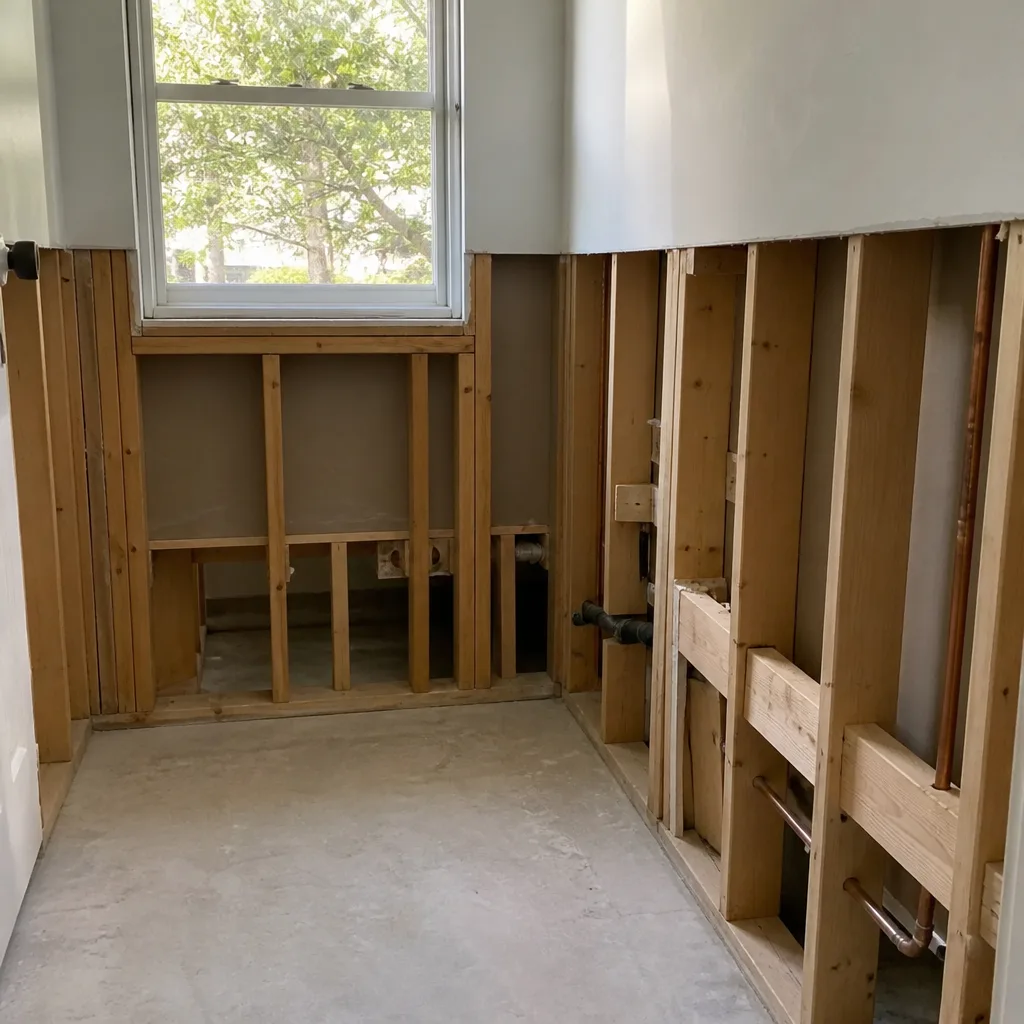 Mold remediation
 Storm response
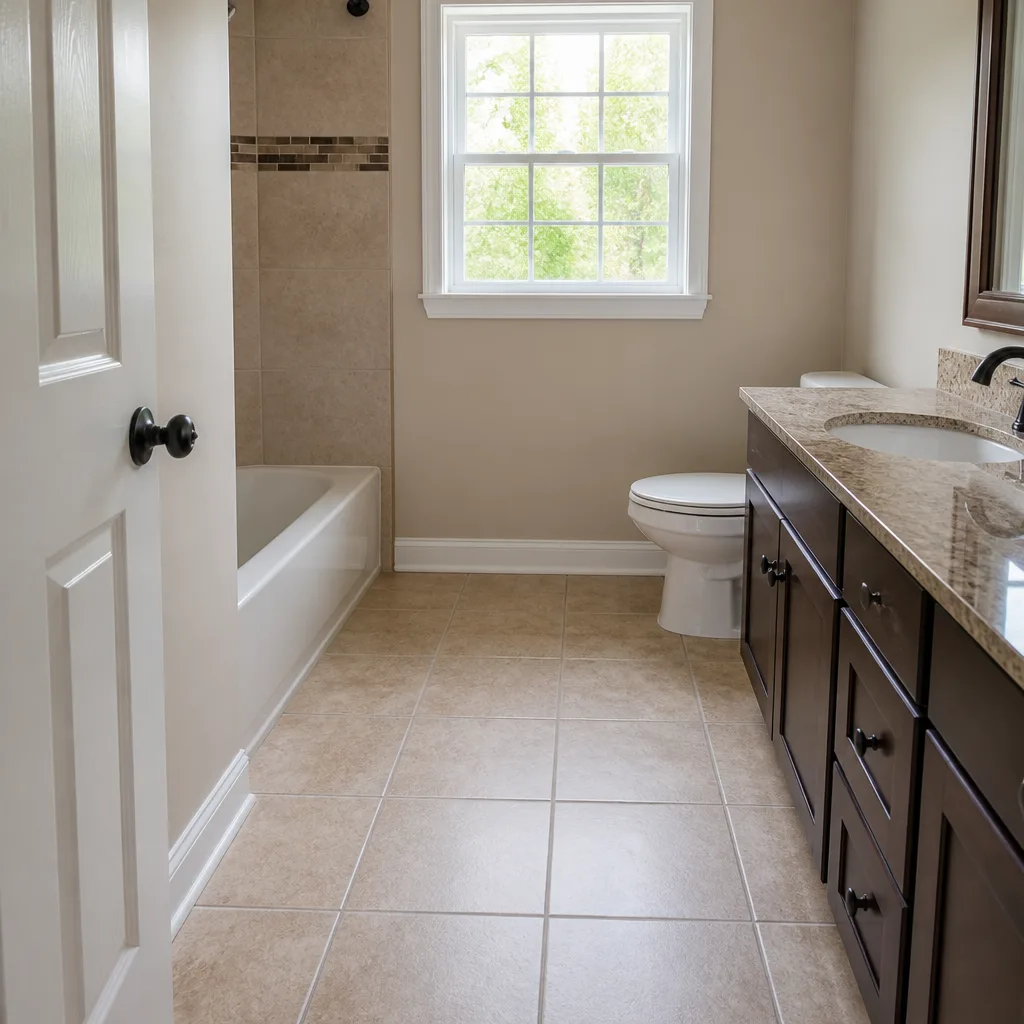 Sewage cleanup
 Reconstruction
Free visual inspection and a written scope of work before any mitigation begins - photos, moisture readings, and drying logs go in your claim file
The scope we write is the scope we bill. Anything new gets shown to you, in writing, before we touch it.
Get your free estimateRestoration work we handle
See the difference
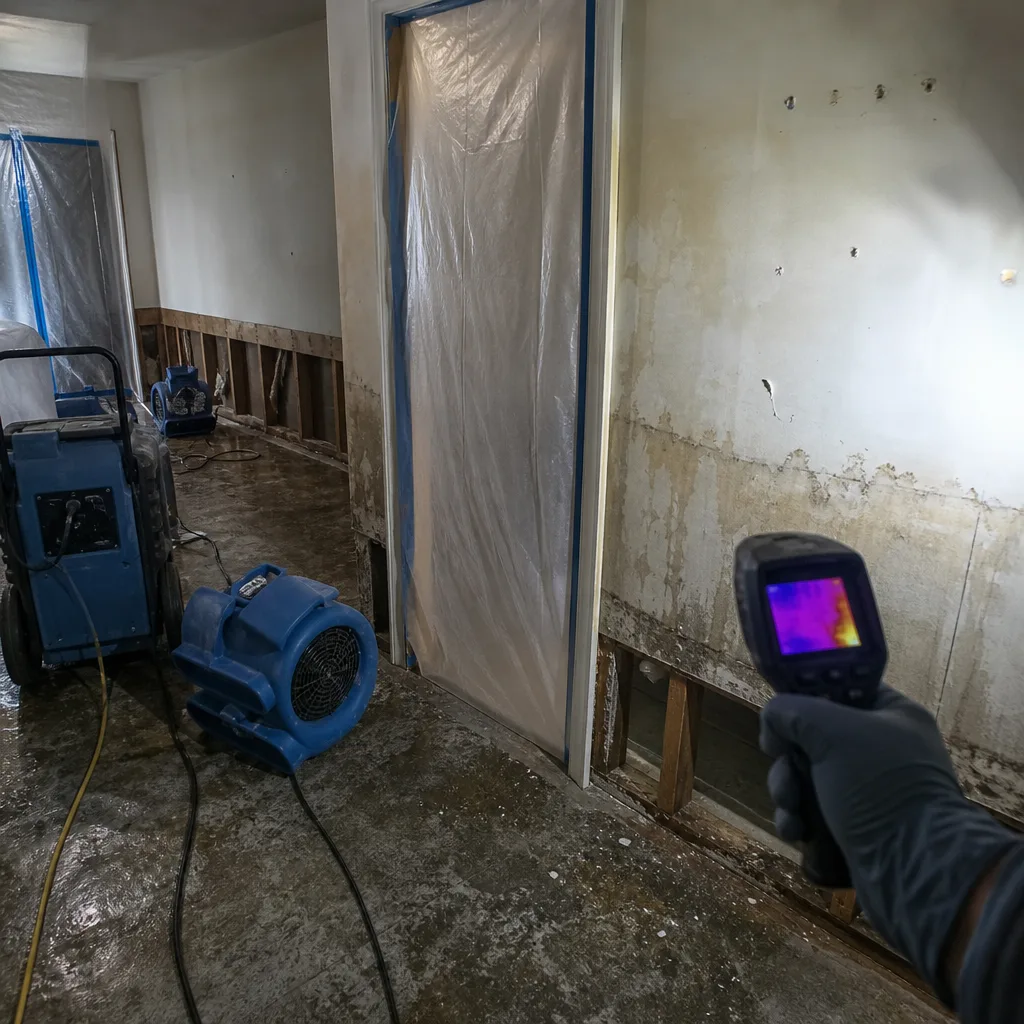 Before
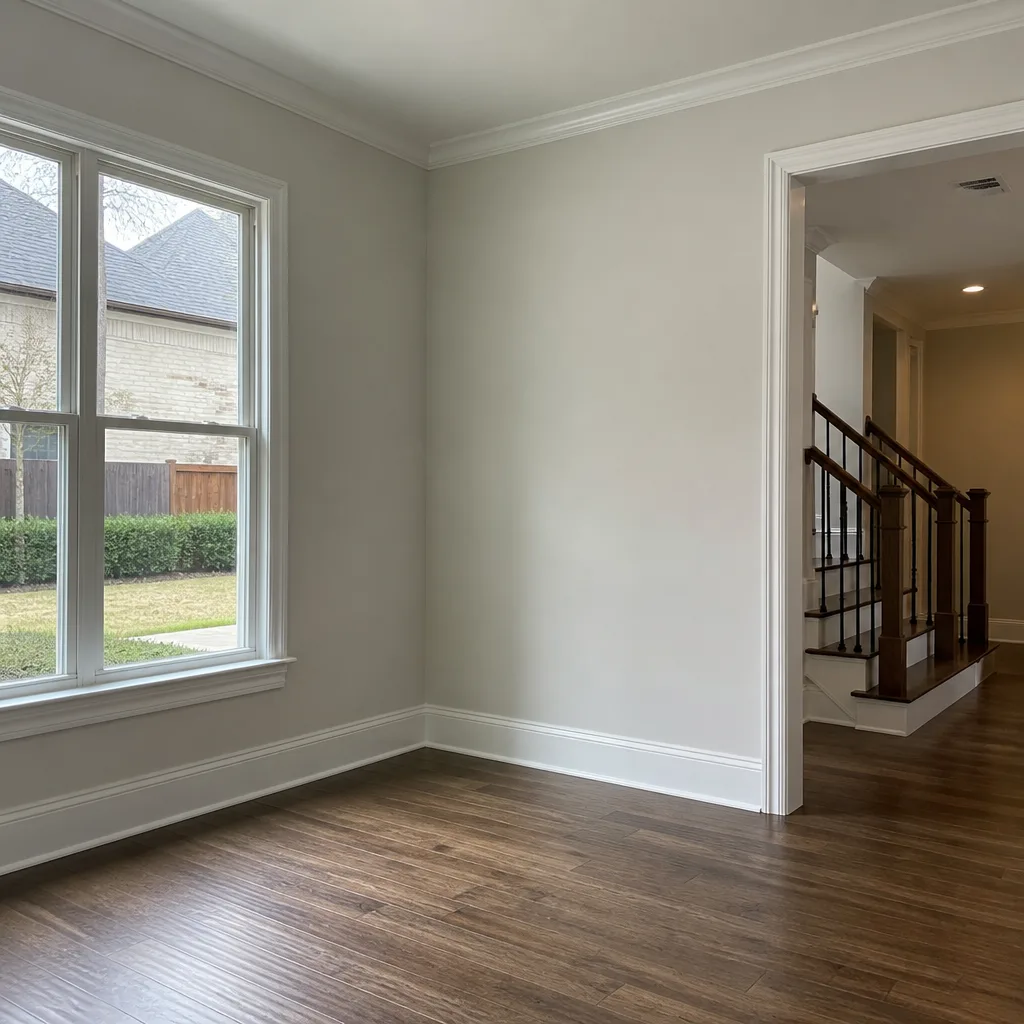 After
After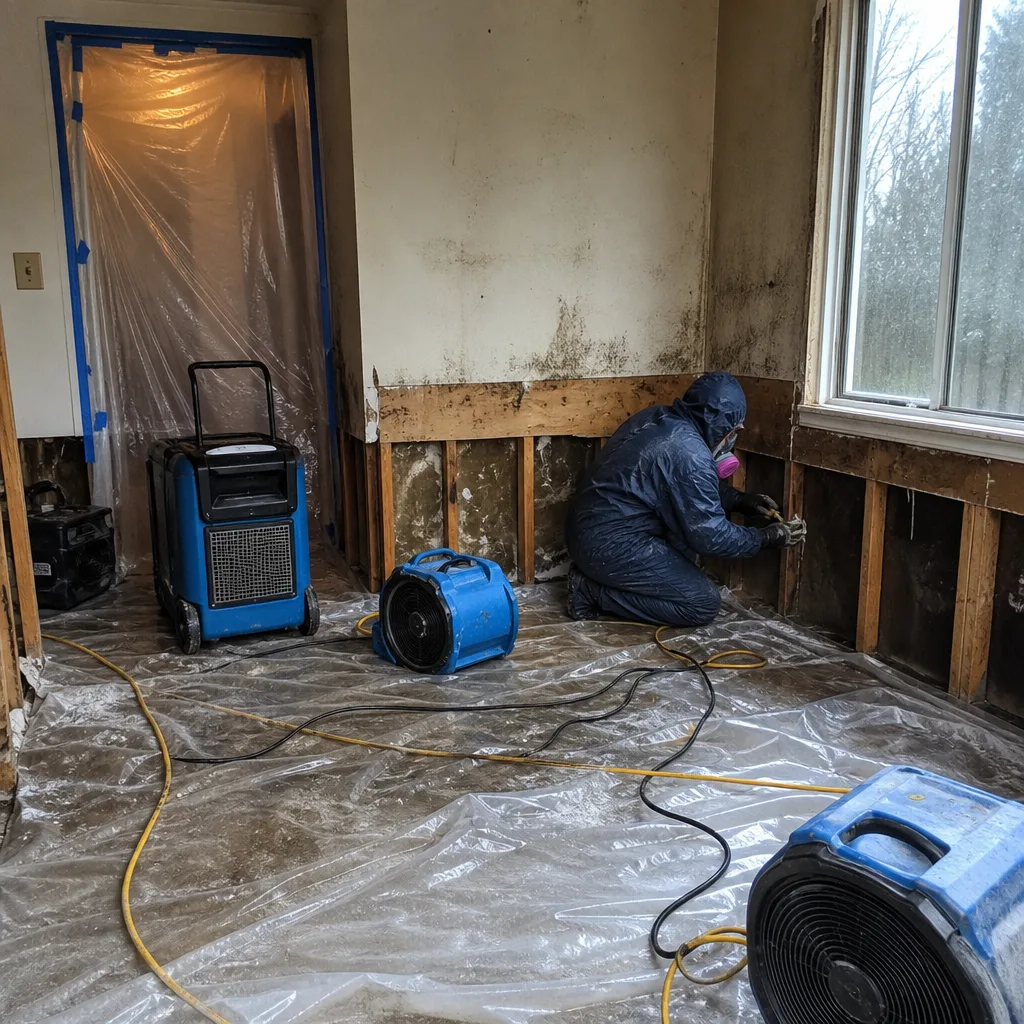 Before
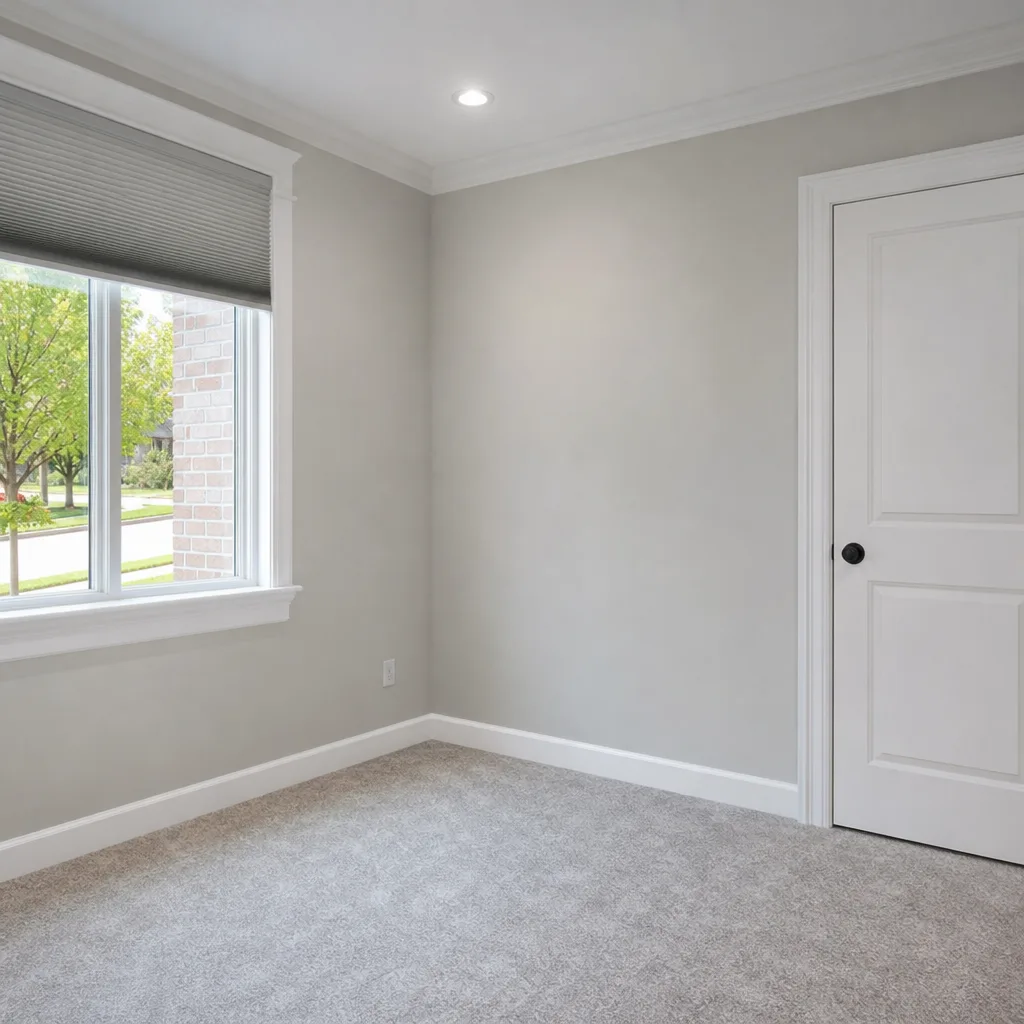 After
After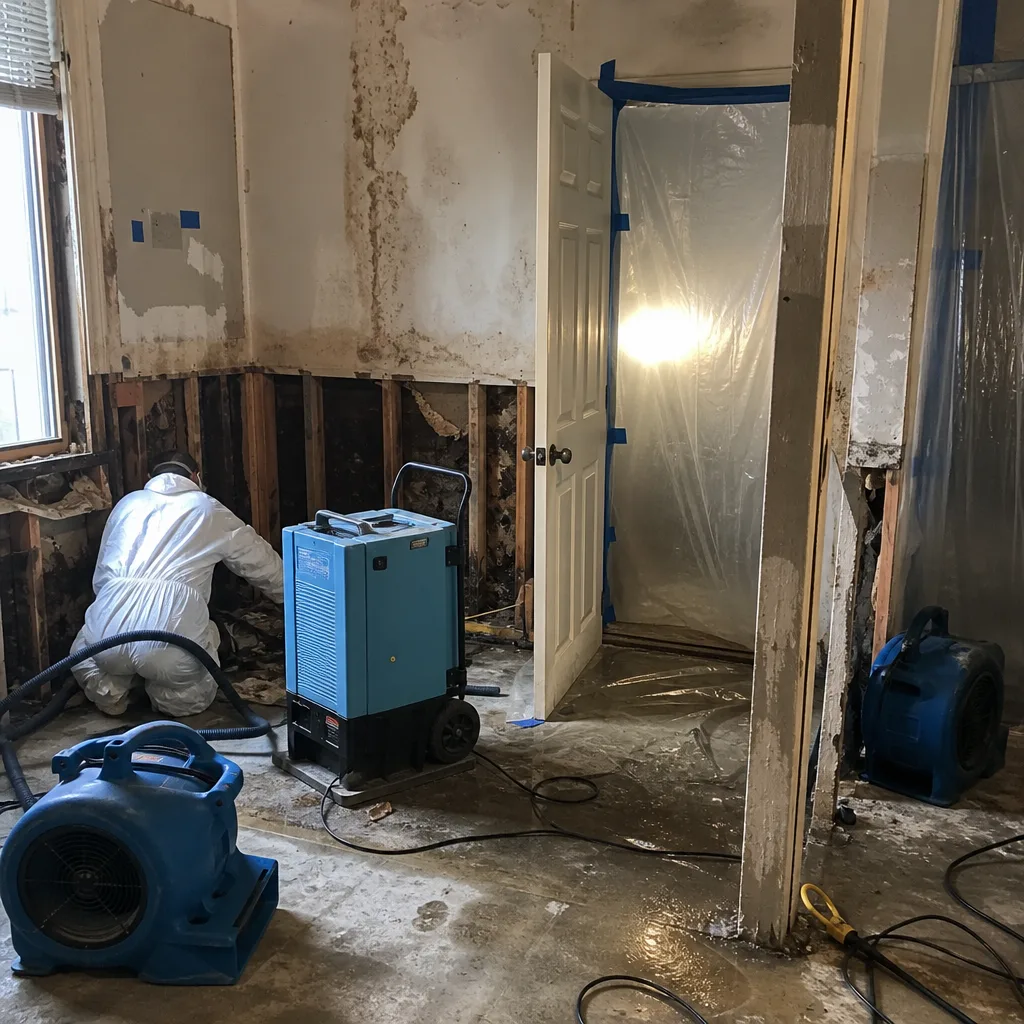 Before
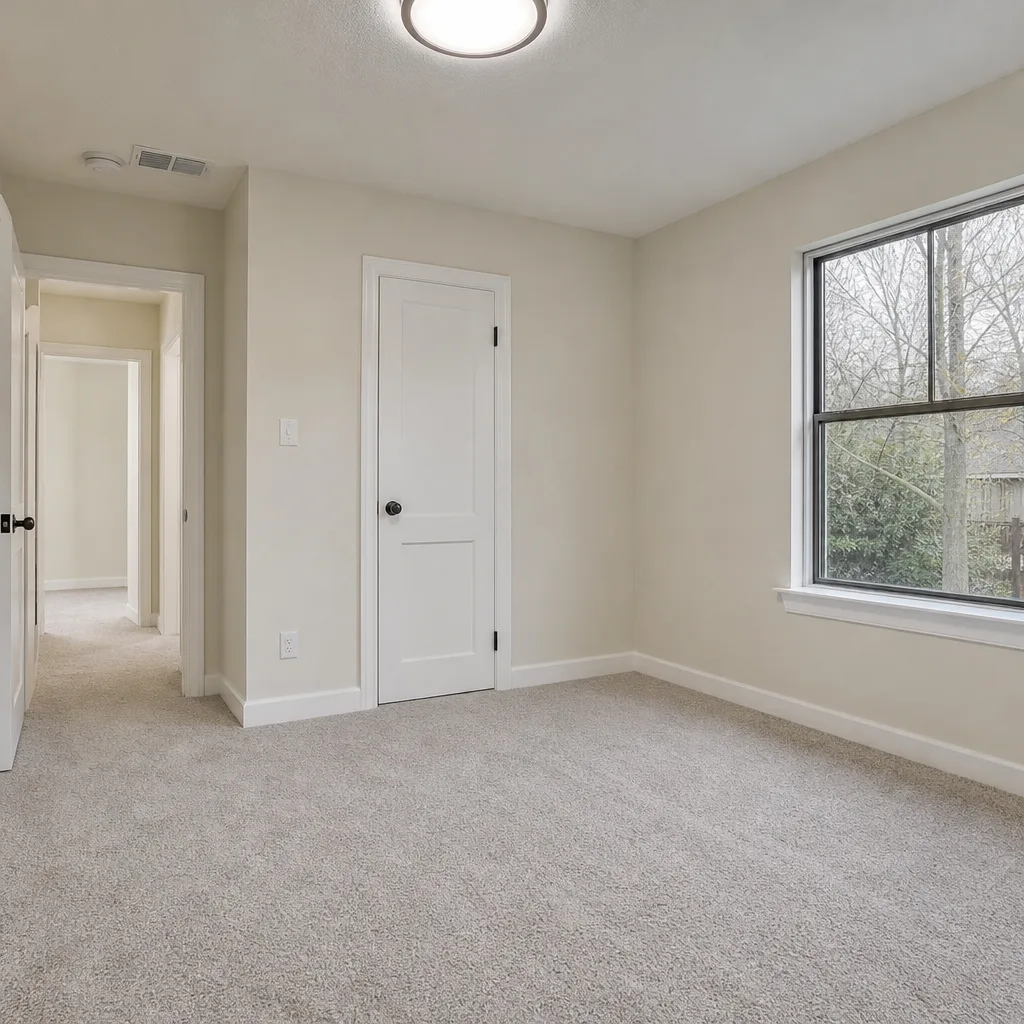 After
AfterHow Much Does Mold Remediation Cost in Dallas?
Mold remediation in Dallas typically costs between $1,800 and $6,500 for most residential jobs, with the citywide average landing around $3,400 in 2026. Small, contained outbreaks – a bathroom ceiling, a closet wall – run closer to $800 to $1,500, while crawl space or whole-attic jobs with structural drying can reach $10,000 or more. The spread comes down to square footage, where the mold is hiding, and whether the water source that fed it is still active.
If you’re reading this because you just found mold, take a breath. You’re not the first Dallas homeowner to open a cabinet or pull back carpet and find something that shouldn’t be there. This guide gives you real numbers, explains how Dallas pricing actually works, and covers what Marsh Water Damage Dallas does differently – starting with the fact that you’ll know exactly who’s coming to your door before they knock.
Key Takeaways:
- Average residential mold remediation in Dallas: $3,400 (range: $800 to $12,000+)
- Bathroom-only jobs: $800 to $1,800
- Crawl spaces and attics: $2,500 to $8,000
- Black mold (Stachybotrys) jobs add $1,000 to $5,000 due to containment and protocol
- Free estimates are standard at reputable Dallas firms – including ours at Marsh Water Damage Dallas
- Most Dallas remediation jobs finish in 2 to 5 days
Mold Remediation Cost Breakdown (2026)
Here’s what a Dallas mold job actually costs, line by line. These numbers come from 20 years of writing estimates in DFW – first at the Threshold Group family level, then in the field across Dallas neighborhoods from Lakewood to Oak Cliff to Far North Dallas.
| Line Item | Typical Dallas Range | Notes |
|---|---|---|
| Inspection & moisture assessment | $150 – $400 | Free with remediation contract at most firms, including Marsh. Standalone inspections run higher if thermal imaging or lab sampling is included. |
| Containment setup | $300 – $1,200 | Plastic sheeting, negative air machines, HEPA-filtered exhaust. Required for anything over ~10 sq. ft. of visible mold. |
| Demolition & removal | $500 – $3,500 | Cutting out drywall, pulling carpet, removing insulation. Cost scales with how much material is contaminated. |
| HEPA sanding & cleaning | $400 – $1,800 | Machine scrubbing of surfaces that can be saved – framing, subfloor, HVAC components. |
| Antimicrobial treatment | $250 – $900 | EPA-registered products applied to kill remaining spores and prevent regrowth. Applied to all affected surfaces and 2 feet beyond the visible boundary. |
| Drying & dehumidification | $350 – $1,500 (3-5 days) | Commercial equipment from Dri-Eaz and Phoenix placed to pull moisture from building materials. In Dallas’s humid spring and fall, this step takes longer than homeowners expect. |
| HEPA air scrubber rental | $200 – $600 | Per-job cost to filter spores from the air during and after work. Usually runs continuously for 48-72 hours post-remediation. |
| Rebuild / drywall repair | $400 – $4,000+ | Not every remediation firm rebuilds. Marsh does – one crew, one written price, no coordination headache between a demo crew and a separate contractor. |
| Post-remediation verification | $250 – $600 | Independent clearance testing or in-house air sampling to document that spore counts returned to normal. Ask for this in writing. |
| Stachybotrys (black mold) protocol | +$1,000 – $5,000 | Stricter containment, PPE, and disposal requirements under Texas Department of State Health Services guidance. Dallas-specific: many insurers now require full protocol documentation before they’ll reimburse. |
Three things push a Dallas mold job from $1,500 to $6,500 faster than anything else: the water source is still active (a slow slab leak under a bathroom, a roof boot that’s been dripping into the attic since last spring), the affected area is hidden (inside a wall cavity, behind a kitchen cabinet run, under a tub surround), or the job includes a crawl space (older East Dallas and Oak Cliff homes with pier-and-beam foundations almost always do).
One more Dallas-specific note: homes built on expansive clay soil – which is most of Dallas County – shift over time. Hairline foundation cracks create pathways for moisture intrusion that feed recurring mold in the same wall or floor, year after year. A good remediation estimate in Dallas includes a conversation about where the water came from, not just a bid to clean up the mold it left behind. At Mold Remediation in Dallas, we won’t write a quote without answering that question first. If the moisture source isn’t found and stopped, you’re paying twice.
What Affects Mold Remediation Pricing in Dallas
- Square footage of the affected area. Mold pricing is driven by the size of the colony, not the size of the house. A 12 sq. ft. bathroom patch costs a fraction of a 200 sq. ft. attic bloom, even in the same 2,400 sq. ft. Highland Park home.
- Where the mold is hiding. Visible mold on drywall is straightforward. Mold inside a wall cavity or under flooring requires demolition just to find the edges. Expect labor hours to double or triple when we’re chasing mold through framing. This is common in Dallas homes with stucco exteriors, which trap moisture behind the finish.
- Type of mold. Common allergenic molds (Cladosporium, Aspergillus) respond to standard protocol. Black mold (Stachybotrys chartarum) triggers stricter containment, full PPE, and specialized disposal under Texas DSHS rules. Lab testing to confirm species costs $75 to $250 per sample and can change the whole job scope.
- Drying time required. Dallas humidity in May through October runs 65-85% indoors without climate control. Materials dry slower. Longer equipment rental means higher line items. Spring and summer jobs routinely run 20-30% higher on drying costs than winter jobs.
- Access difficulty. Crawl spaces under 1940s Lakewood bungalows, attics with 4-foot ridge heights in Richardson, second-story bathroom ceilings over vaulted spaces – the harder the reach, the more labor per square foot. A portable containment that takes 30 minutes in a walk-in closet takes 3 hours in a low crawl.
- Rebuild scope. Does the company stop at remediation (remove, clean, dry) or do they install new drywall, texture, and paint? In Dallas, the split between “remediate only” and “remediate plus rebuild” firms accounts for some of the widest price swings on the market. Quotes that look cheap upfront often end at a bare stud wall.
How Mold Remediation Works: What You’re Actually Paying For
Mold remediation is not “spray bleach and wipe.” Spores are aerodynamic – whenever disturbed, they release into the air and find new, damp surfaces to colonize. Professional remediation is about controlled removal in a sealed environment. Here’s the sequence Marsh follows on every Dallas job:
- Stop the water. If the source is a plumbing leak, roof failure, or condensation problem, we locate it and either fix it or flag it for your plumber or roofer before any mold work starts. No reputable firm remediates around an active leak.
- Contain the area. Six-mil polyethylene sheeting, negative air pressure, and HEPA-filtered exhaust so that when we disturb the mold, spores don’t travel to the rest of your house. This is the line item people question most. It’s also the one that prevents a $2,000 bathroom job from becoming a $15,000 whole-house job.
- Remove contaminated material. Porous material that can’t be fully cleaned – drywall, insulation, carpet pad – gets cut out and bagged. Semi-porous material (wood framing, plywood sheathing) gets HEPA-sanded and treated. Metal and glass get cleaned and disinfected.
- Dry the structure. Commercial-grade dehumidifiers (Dri-Eaz and Phoenix) and air movers pull moisture from remaining materials. We take psychrometric readings – measuring the moisture in the air and the materials – to confirm the space is genuinely dry, not just dry on the surface. In Dallas summers, this phase runs 3 to 5 days. That’s not padding. Wood holds ambient humidity like a sponge.
- Treat with antimicrobials. EPA-registered products are applied to remaining surfaces and 2 feet beyond the visible contamination boundary to kill residual spores and interrupt regrowth.
- Rebuild and finish. New drywall, insulation, texture, and paint as needed. This is where a Marsh job ends with a finished room, not a bare stud and a handoff to a contractor you have to vet separately.
Each of those steps is why mold remediation costs what it costs. The $300 “spray and pray” contractor you might find on a Dallas Facebook group skips containment, skips drying, and leaves you with whitish bleach stains and a mold colony that bounces back after the next spring rain. We’ve been called to clean up after those jobs more times than we can count.
Dallas-Specific Mold Risks That Affect Cost
Dallas isn’t Houston. We don’t get hurricane seasons, and the average homeowner isn’t thinking about mold 12 months a year. But Dallas has its own mold profile, and it shapes what we see in the field:
- Clay soil and slab movement. Expansive soils under most of Dallas County shift with every wet-dry cycle. Micro-cracks in foundations and slab plumbing become pathways for moisture to wick into drywall and carpet. We regularly see mold at baseboard level in houses 15 to 30 years old where no visible water damage ever occurred – the water moved upward through the slab.
- Spring hail and roof claims. Hail season – March through June – drives an annual spike in attic mold. Hail damages shingles and flashing, water enters through roof penetrations, and by the time you notice a ceiling stain in November, the attic sheathing has been hosting mold since July.
- Older home stock in East Dallas, Oak Cliff, and parts of Garland, Mesquite, and Richardson. Pier-and-beam foundations mean crawl spaces. Crawl spaces mean high humidity, standing water, and HVAC duct runs that pull moist crawl-space air into the living area. Crawl space mold remediation in Dallas runs $2,500 to $8,000 because the access is tight, the contamination is often widespread, and drying requires sealing the space first.
- AC condensate in summers. Dallas runs window units and central air hard from May to October. Clogged condensate drains, side-attached evaporator coils, and improperly pitched drain pans send a steady drip into walls and ceilings. We see more mold around closet-mounted and attic-mounted HVAC units than anywhere else in the house.
- Recent freeze events. The 2021 and 2024 freeze-thaw events pushed ice dams into older roof assemblies and burst pipes in uninsulated walls across North Texas. Some of those homes had slow leaks repaired months later. The mold jobs from those events are still showing up on our schedule in 2026.
Mold doesn’t come from nowhere. In Dallas, it comes from slab movement, roof damage, HVAC neglect, and the humidity that sits over this city from April to October. A remediation estimate that doesn’t ask about your roof, your foundation, and your AC unit-and that skips mold inspection & testing-is an estimate from someone who hasn’t worked enough Dallas homes.
Can You Fix Mold Yourself? What Dallas Homeowners Should Know
The Texas Department of State Health Services and the EPA both draw the same line: if the visible mold covers 10 square feet or less and you don’t have underlying health conditions, a homeowner can clean it with soap, water, and proper PPE (N95 respirator, gloves, eye protection). That’s roughly a 3-foot by 3-foot patch.
Beyond that, DIY becomes a judgment call – and here’s the part most YouTube tutorials leave out. Surface mold on drywall is almost never the whole story. Drywall is porous, and what you see is the fruiting body of a colony that extends behind the paper. Wiping face-level mold in a Dallas bathroom doesn’t kill what’s growing in the wall cavity behind the tile backer board. Six weeks later, it’s back.
We also caution strongly against DIY when:
- Mold is present after any kind of black water exposure (sewage backup, flood water, long-standing toilet overflow). That requires full contamination protocol, not just cleaning.
- Anyone in the home has asthma, allergies, or immune suppression. Disturbing mold releases spores in concentrations far above ambient levels.
- The affected area includes insulation, HVAC ducting, or anything inside the air-handling path. Cleaning those wrong spreads mold through the whole house.
- The smell is present but no visible mold. That’s a hidden colony, and you’ll spend more on exploratory demo than on the actual remediation.
If you’re unsure, call (432) 529-4284. We’re a live answer, 24/7, and we’ll tell you over the phone whether a professional inspection is warranted. No pressure, no sales script.
How to Save on Mold Remediation in Dallas
Mold remediation isn’t a discretionary purchase. But Dallas homeowners do have real leverage to control the final number:
- Stop the water before calling. If you know the source – a leaking supply line, a bad wax ring, a roof tear – shut it off or get it patched before the remediation crew arrives. A dry, contained mold job costs less to remediate than a wet one. We quote lower, and the work goes faster.
- Act fast when you see water. Mold colonizes in 24 to 48 hours after moisture exposure. A quick extraction call today is a $500 drying bill; the same leak ignored for two weeks is a $3,000 remediation. The math is unforgiving, and Dallas humidity shortens the clock further.
- Get three written estimates – but compare scope, not just price. Low Dallas quotes often exclude containment, drying, or rebuild. Ask each contractor: “Does this include negative air containment? Does this include drying to a documented moisture standard? Who rebuilds the drywall?” If the scope lines don’t match, the prices don’t compare.
- File the insurance claim before you sign anything. Mold remediation is covered under most Texas homeowners policies when it results from a covered peril – sudden pipe burst, storm damage, appliance failure. Document everything with photos. The Marshall at Marsh will give you a written estimate with line-item detail that holds up in an adjuster review. Most “cheap” contractors won’t.
- Ask for a free estimate and a written price. That means the price you sign is the price you pay. No upcharge after demo, no “we found more than we thought” conversation three days in. At Mold Remediation in Dallas, the written price is a non-negotiable on every job – it’s stamped on the work order, and so is the 365-Day Done Right Promise.
We don’t do estimates that balloon. We don’t start a demo without a signed scope. And if the repair isn’t right within 365 days, we come back and make it right – automatically, at no charge, without you having to argue for it. It’s written on the order.
Insurance and Mold Remediation in Dallas
Most Dallas homeowners only discover the limits of their mold coverage after they file a claim. Here’s what to expect in the 2026 Texas insurance environment:
- Most HO-3 policies cap mold remediation at $5,000 to $10,000, even if the covered water loss that caused it was larger. Texas allows insurers to impose mold sublimits.
- Coverage applies only when mold results from a covered peril. A sudden pipe burst – likely covered. A slow, months-long leak behind a wall – often denied as “maintenance” or “long-term seepage.” Our written reports are worded to document causation clearly for adjusters.
- Some insurers require “protocol” reports before they’ll release mold funds. That means documentation of where mold is, what species, what containment and remediation was performed, and what clearance testing was done. Marsh provides this by default on insurance-backed jobs.
- Deductibles still apply. A $2,500 mold payout minus a $2,000 deductible means $500 toward a $4,000 job. We’ll be straight with you about when filing makes sense and when it doesn’t.
Nobody at Marsh is an insurance adjuster, and we’ll never tell you what your policy covers. What we will do is give you a written scope and line-item estimate that’s accepted by every major Texas carrier, and we’ll document the job thoroughly enough that your claim stands up to review. Tobias Reyner, who leads our Dallas operation, has been through hundreds of insurance-backed mold jobs since 2005 – he knows exactly what adjusters look for and how to document it.
Why Dallas Homeowners Choose Marsh Water Damage Dallas
Mold remediation means opening your home to people you’ve never met. We know that’s a bigger deal than it looks on a quote sheet. A homeowner who’s home alone during the day, a parent with a baby napping in the next room, an older Dallas homeowner who’s been burned by a contractor before – the fear isn’t just about the mold. It’s about the knock at the door.
That’s the problem we built the Threshold Verified standard to solve. Here’s what it means, concretely:
- Every technician is background-checked and identity-verified before they’re ever assigned to your job.
- You get the name and photo of the technician before the visit. You’ll know who’s coming before they ring the bell.
- Every tech shows a photo ID badge at the door. Every time, not just on the first visit.
- Uniforms are standard. No random subcontractors in street clothes walking through your hallway.
- One point of contact from start to finish. The person who wrote your estimate is reachable throughout the job.
Pair that with IICRC, RIA, and IFA credentialed technicians running the same equipment used on large commercial losses – Dri-Eaz dehumidifiers, Phoenix air movers, XPOWER filtration, B-Air and Injectidry systems – and you get a residential mold job treated with commercial-grade rigor. That’s not marketing language. That’s the gear in the truck and the paper trail on the work order.
And because we’ve done this in Dallas for 20 years as part of the Threshold Group family, we’ve seen every mold scenario this city can produce. The Oak Cliff crawl space full of black mold after a broken sewer line. The North Dallas attic colonized after a hailstorm cracked the roof boots. The bathroom wall in Lakewood where the shower pan had been leaking for six years. None of it surprises us anymore. All of it gets fixed with a written price and a written guarantee.
FAQs – Mold Remediation Cost
1. How much does mold remediation cost per square foot in Dallas?
Dallas mold remediation runs $15 to $35 per square foot of affected area, including containment, removal, treatment, drying, and basic rebuild. Small jobs trend toward the higher end because setup costs (containment, air scrubbers) are fixed regardless of size, and larger jobs trend toward the lower end. A 100 sq. ft. bathroom job at $18/sq. ft. is $1,800; the same rate structure puts a 400 sq. ft. attic at roughly $6,500 to $8,000 with protocol work.
2. Is it cheaper to remove mold or replace the drywall?
It’s cheaper to replace the drywall. Drywall is $15 to $25 per 4-by-8 sheet plus labor. Attempting to “clean” mold from drywall costs more in HEPA sanding time and antimicrobial product than cutting it out and hanging new board, and the cleaned surface remains porous. Contractors who quote to clean drywall rather than replace it are costing you more for a worse result. Expect the average Dallas bathroom mold job with drywall replacement to run $1,200 to $2,200 all-in.
3. How much does black mold removal cost in Dallas?
Black mold (Stachybotrys) removal in Dallas runs $2,500 to $12,000 depending on location and spread. The premium over standard mold comes from stricter Texas DSHS protocol: full containment with negative air, upgraded PPE, specialized disposal, and often post-remediation clearance testing that costs $250 to $600. A typical 50 sq. ft. black mold job behind a Dallas shower runs $3,000 to $5,500.
4. Can you remediate mold in one day?
Small, contained jobs – under 25 sq. ft., dry source, no structural contamination – can be removed and treated in one 6-to-8-hour day for $800 to $1,500. But drying and air scrubbing continue for 48 to 72 hours afterward. Most Dallas jobs run 2 to 5 days from setup to final walkthrough. Anyone promising same-day “complete” remediation on a large job is skipping drying or containment.
5. Does homeowners insurance cover mold remediation in Dallas?
It depends on the source, not the mold. Covered perils in Texas – sudden pipe burst, storm damage, appliance malfunction – generally trigger mold coverage up to the policy sublimit, commonly $5,000 to $10,000. Mold from long-term leaks, poor ventilation, or maintenance issues is typically denied. Whatever your policy says, a written scope with documented causation from a credentialed firm gives your claim the best shot. We’ll help you file it correctly.
6. How do I know if I need professional remediation or just a cleaning?
Visible mold over 10 square feet (about a 3-by-3-foot patch), a musty smell with no visible source, mold inside HVAC ducts, or mold following a sewage or flood event – all call for professional remediation in Dallas. Under 10 sq. ft., you can clean it yourself with proper PPE and moisture control, but if it returns within six weeks, the colony is inside the wall and needs professional attention.
Get a Free Mold Remediation Estimate in Dallas
Here’s the part that matters most: you can call us right now and talk to a real person who knows Dallas mold. Not a voicemail. Not a callback queue. A live answer, 24 hours a day, 7 days a week, including holidays – because mold doesn’t wait for business hours, and neither do we.
Call (432) 529-4284 for a free estimate. We’ll ask about what you’re seeing, where the moisture came from if you know, and whether anyone in the home has respiratory concerns. Then we’ll give you a window for when a Threshold Verified technician can be at your door – name and photo sent before the visit.
Every estimate comes with a written price before any work starts. No ballooning. No surprises. Just a printed number, a printed guarantee, and the name of the person who’s going to show up at your door.
Pricing reflects the Dallas market as of 2026. Marsh Water Damage Dallas offers free estimates – call (432) 529-4284.
Written by Tobias Reyner, Owner at Marsh Water Damage Dallas, serving Dallas since 2005.
What Our Customers Say
"Good job overall. Equipment noise was loud at night, but they explained why it was needed. Dried out fully and passed the final reading."
- Carla J."Dishwasher leak had gone under the kitchen floor. They found it with a thermal camera and dried it without ripping up everything."
- Helen B."Clear communication about what insurance would cover and what wouldn't. Never felt pushed."
- Oscar P.