

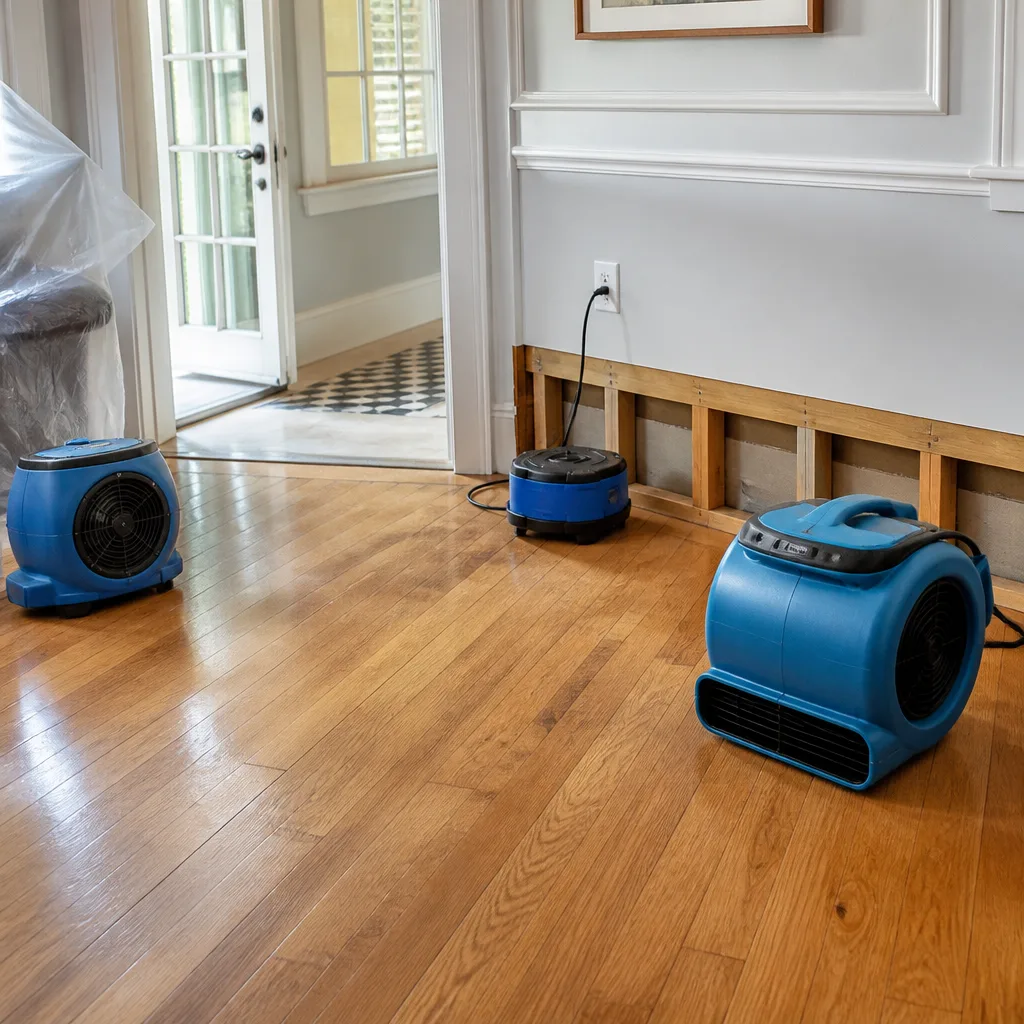
 Water damage drying
 Fire & smoke cleanup
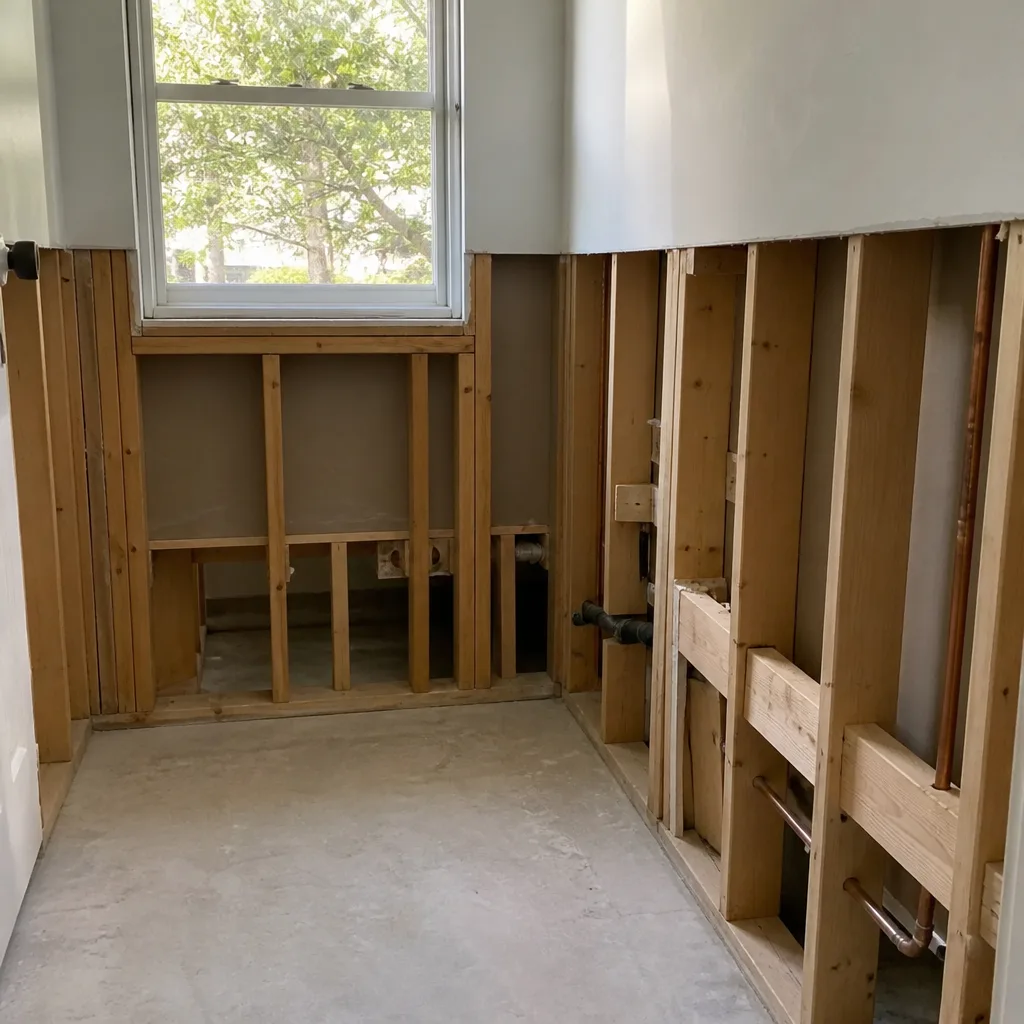 Mold remediation
 Storm response
 Sewage cleanup
 Reconstruction
Free visual inspection and a written scope of work before any mitigation begins - photos, moisture readings, and drying logs go in your claim file
The scope we write is the scope we bill. Anything new gets shown to you, in writing, before we touch it.
Get your free estimateFast, Reliable Storm Damage Restoration Across Seagoville
Storm damage in Seagoville usually means one of three things: roof leaks from a thunderstorm, water pushing through a cracked slab, or flash flooding that finds every low spot around a brick-veneer ranch. We get called because the water is spreading and the drywall is wicking it upward. Our Storm Damage Restoration team serves Seagoville with one-trip extraction and drying, which matters when your house sits on expansive clay and every hour of moisture makes the foundation move a little more. Call (432) 529-4284 and a live person answers, day or night.
Key Takeaways
- A typical storm water extraction in Seagoville runs $450 – $900 before drying equipment is set, depending on square footage and how far water traveled.
- We check for soil movement and foundation cracks as a root cause, not just the visible standing water.
- Every technician is background-checked, identity-verified, and sent to you by name and photo before the knock.
- Written price before any work starts. 365-Day Done Right Promise. Free second visit if the repair fails.
Restoration work we handle
Why Marsh Water Damage Dallas Is Seagoville’s Preferred Storm Damage Restoration Company
Most of the homes we respond to in Seagoville were built in the 1960s through the 1980s: brick-veneer ranches on concrete slabs with cast iron drain lines and copper supply pipes. That construction is solid, but it does not flex when the clay underneath it expands and contracts. We know that, so our technicians walk the slab and check for movement before they set equipment. It is not unusual to find that a “roof leak” in Seagoville actually tracked down a wall and entered through a gap where the slab meets the framing.
Customers around Malloy Bridge Road, the neighborhoods near Seagoville Middle School, and the acreage properties east of Highway 175 tell us the same thing: they wanted someone who would not treat the symptom and miss the cause. Our Storm Damage Restoration crew in Seagoville carries Dri-Eaz and Injectidry equipment, and our technicians hold IICRC, RIA, and IFA credentials. More importantly, they show up with a photo ID badge, introduce themselves by name, and hand you a written scope of work before a single air mover is plugged in. Tobias Reyner, who leads our technical team, insists on that standard for every job, not just the big commercial losses.
We are not the slowest company to call and not the one that will inflate a quote after demo begins. Dispatch is coordinated from our Dallas-Fort Worth office, and our crews drive straight to Seagoville. Response time is typically under a few hours for storm-related water, because the clay in this area does not wait.
Flood Restoration in Seagoville
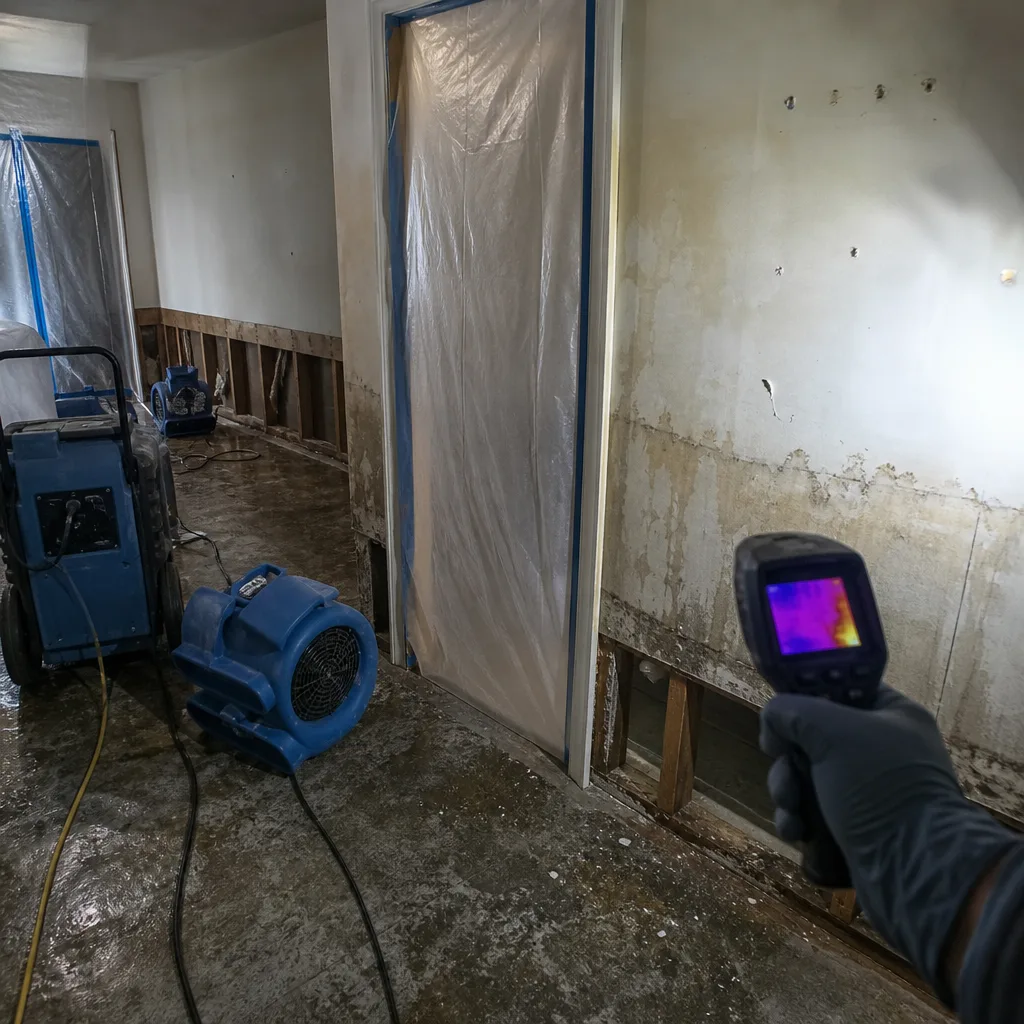
Flood Restoration in Seagoville typically runs $700 – $1,600 for a single-room extraction and drying setup, and the biggest variable is how long water sat against slab-on-grade construction. Because most homes here sit directly on concrete, water does not drain downward the way it would in a pier-and-beam house. It spreads laterally under vinyl plank, tile, and carpet, then wicks into drywall. Our team maps the moisture with a Dri-Eaz meter, sets containment, and runs structural drying with air movers and dehumidifiers. That is the one-trip approach: find the full path, not just the puddle.
Slab water tracking
Storm water in Seagoville follows the slab. Cracks from clay movement act as channels. We check for damp smells coming from vinyl seams or baseboards, which usually means water traveled farther than the visible wet spot.
Rapid extraction and drying
We do not leave a house until psychrometric readings (measuring the moisture in the air) show the structure is genuinely dry, not just dry on the surface. That distinction matters here, because slab moisture hides for days and then blooms into mold smells.
Basement Flood Cleanup in Seagoville
Basement Flood Cleanup in Seagoville is less common than in northern cities, because most homes are slab-on-grade and do not have basements. Where we do see it: older homes with partial basements or converted utility pits, and outbuildings with below-grade entries. When one of those floods, the job usually runs $600 – $1,400, with the higher end reflecting the need to pump standing water and run a dehumidifier longer than a typical slab job. The concrete walls and floors in these spaces are in direct contact with Seagoville’s clay, so we check for seepage points, not just the flooding event.
Below-grade entry flooding
Water finds the low point. In a below-grade entry, that means pumps first, then extraction, then drying. We treat the path the water took, because Seagoville’s clay will push more water through the same seam during the next storm.
Outbuilding and workshop floods
Many Seagoville properties have detached workshops or oversized garages. Those buildings often sit on thinner slabs and are more prone to storm runoff intrusion. We bring the same commercial drying gear to those jobs as we would to a house.
Trusted Brands We Service in Seagoville
We run Dri-Eaz dehumidifiers and air movers, and we use Injectidry for hard-to-reach water behind walls and under cabinetry. These are the same machines large commercial restoration firms rely on, and they handle Seagoville’s slab-on-grade drying challenges without needing multiple trips. We stock common replacement parts for these units and maintain them after every job, so the equipment is ready when the next thunderstorm rolls through. Our technicians are credentialed through IICRC, RIA, and IFA, which means the person running your drying plan has trained on the equipment they are setting in your home.
Common Storm Damage Restoration Problems We See in Seagoville Homes
- Recurring slab leaks from expansive clay. East of Highway 175, the soil shrinks in drought and swells in rain cycles. That movement opens cracks in the slab, and the next storm drives water through them. We treat the path, not just the puddle.
- Moisture trapped under vinyl and tile. Slab-on-grade ranches hide water under finished flooring for days. By the time you smell it, the drying job is bigger and the floor is often damaged beyond saving.
- Cast iron drain backups during heavy rain. Older Seagoville homes have cast iron lines. Storm water infiltration can overwhelm those lines and force water back up through floor drains. We extract first, then check the drain path so the next downpour does not repeat the problem.
- Roof leaks that track along foundation joints. A thunderstorm tears shingles, water follows the truss, and then runs down to the mudsill. In Seagoville, that joint is often cracked from clay movement, so the water enters the wall instead of staying outside. The roof is the visible damage; the wall cavity is the hidden one.
See the difference
 Before
 After
After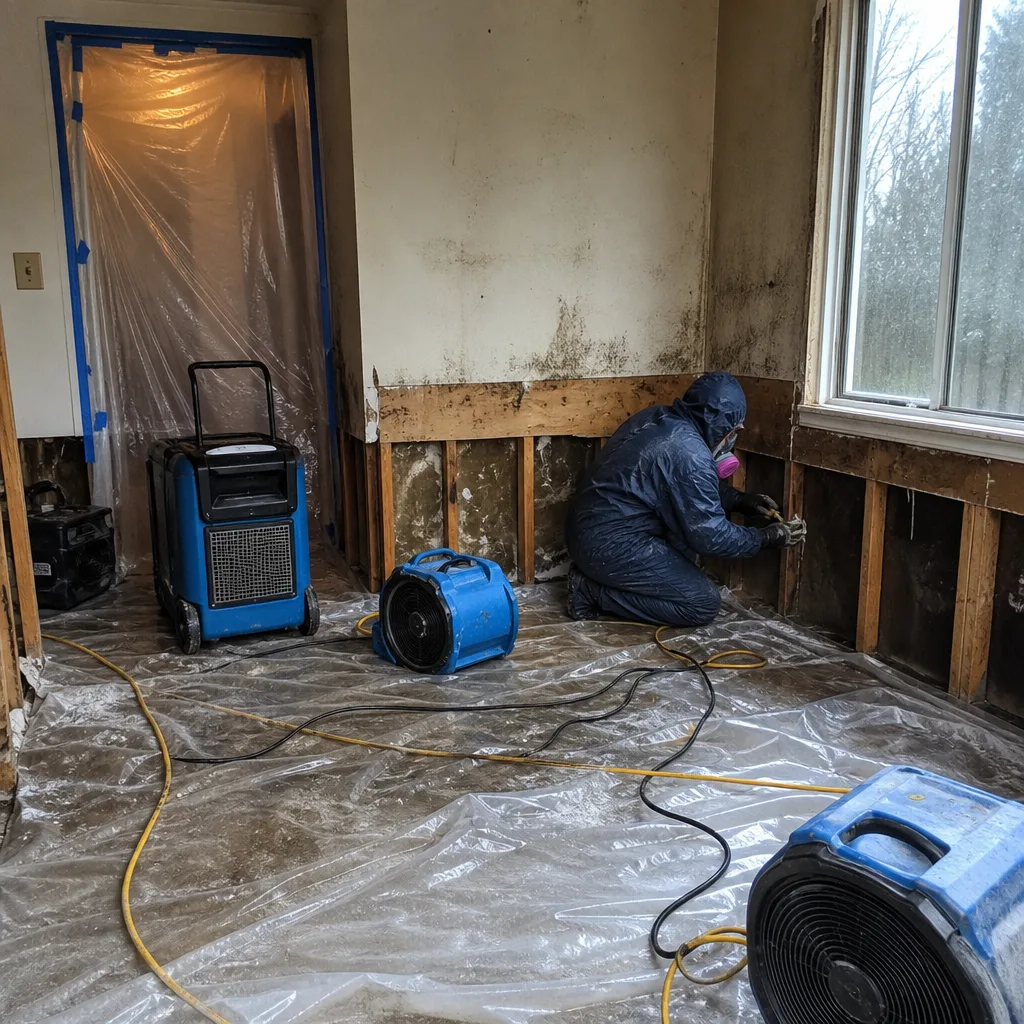 Before
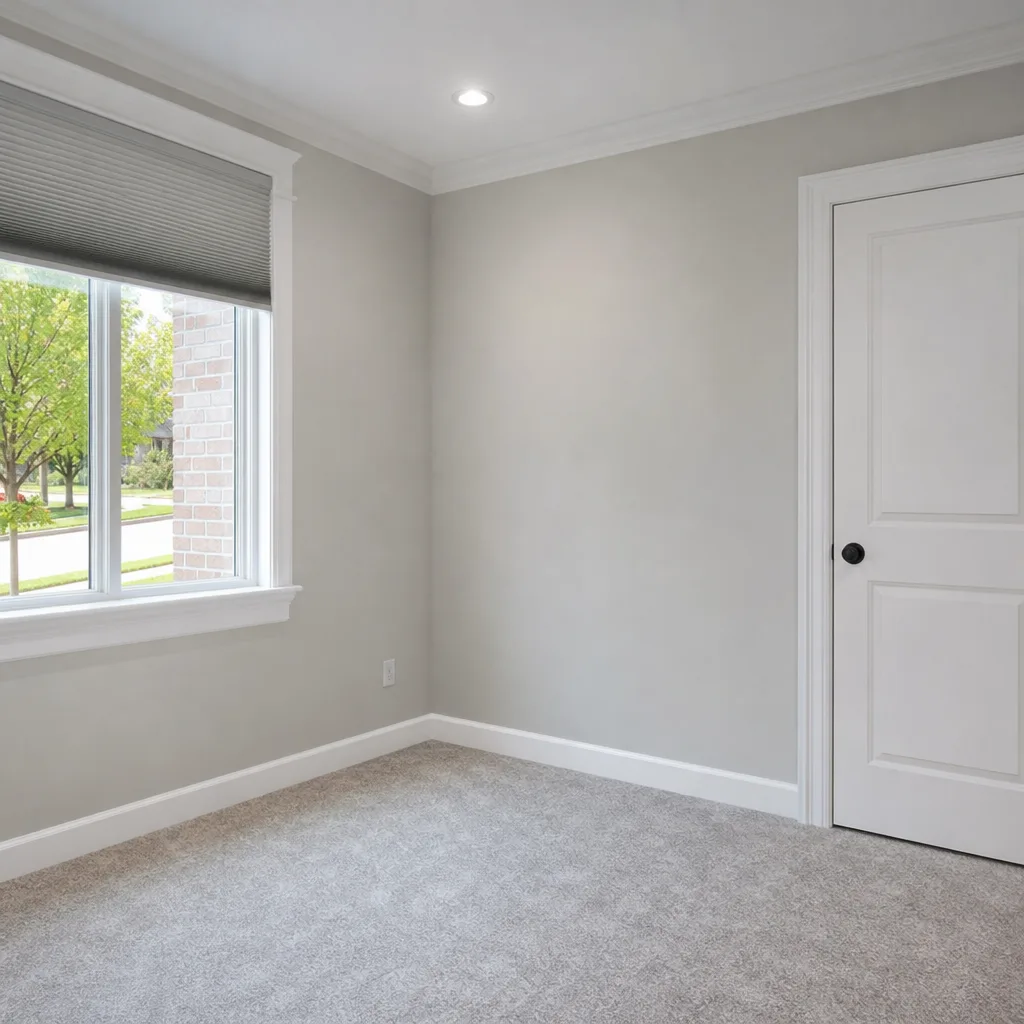 After
After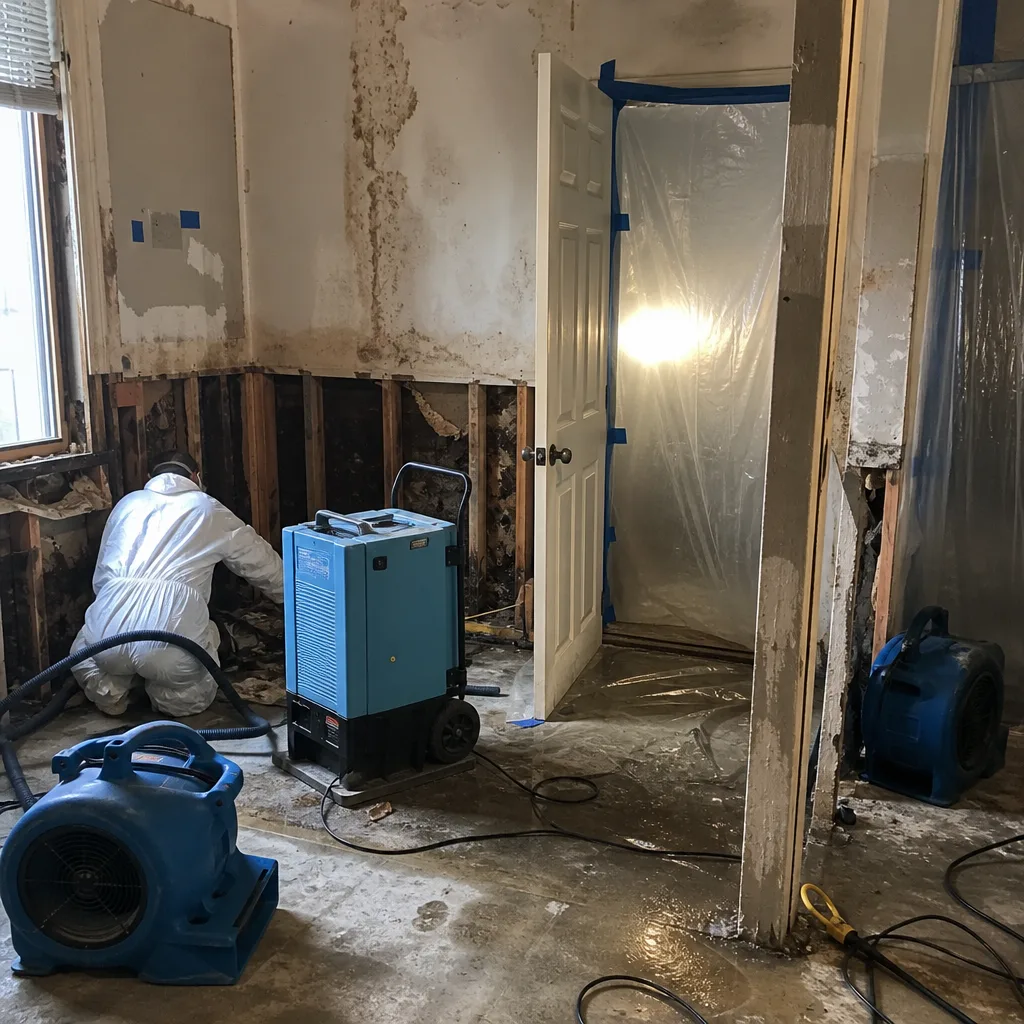 Before
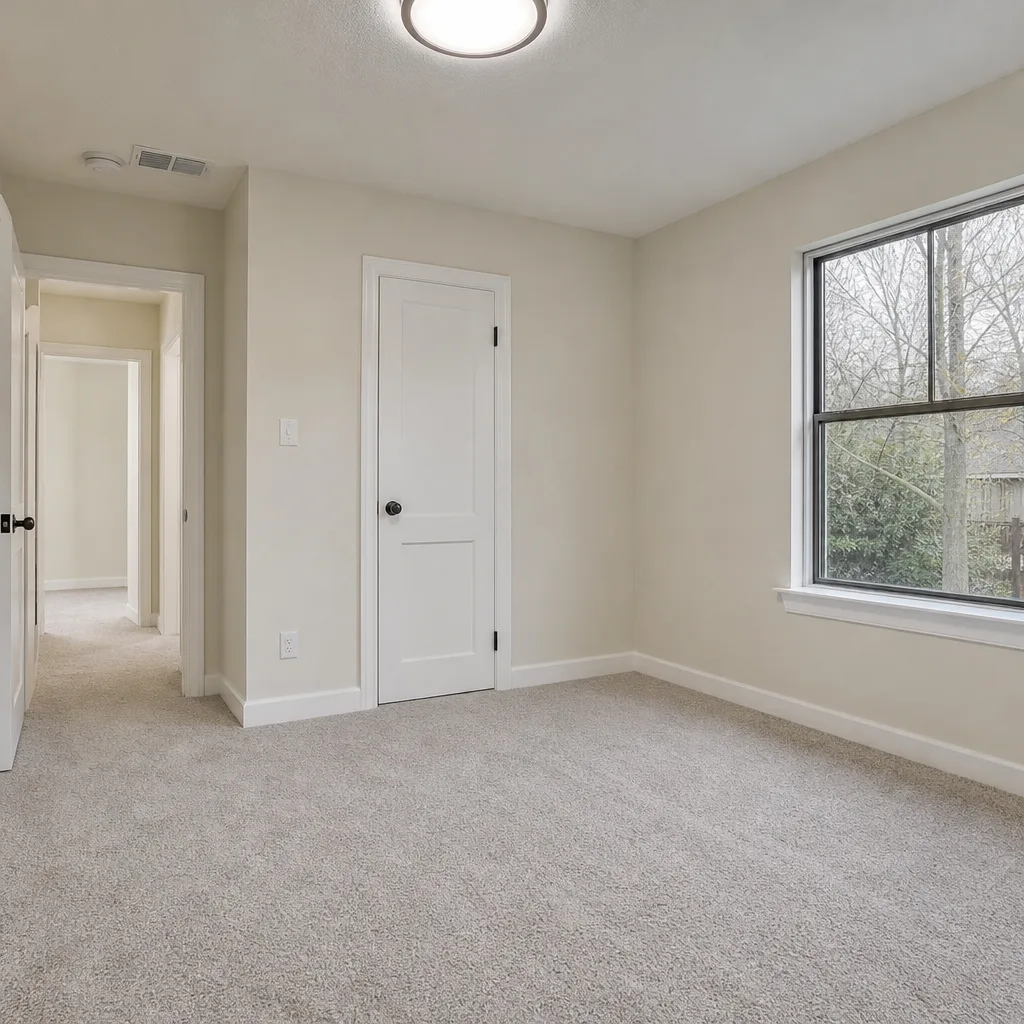 After
AfterPricing for Storm Damage Restoration in Seagoville, TX
Most storm water extractions in Seagoville run between $450 and $1,600. A single-room flood with quick response and no structural repair is on the lower end. A whole-house flash flood with slab water tracking, multiple rooms of drying equipment, and flooring removal can push toward $3,500 – $5,500. The variables: square footage of wet material, how long water sat, whether cast iron drains are involved, and whether clay movement opened the pathway. We give a written price before any work starts, and the price does not change after demo begins unless we find something hidden and bring it to you in writing first. Estimates are free. Call (432) 529-4284 and we will walk through what you are seeing.
We Also Serve Cities Near Seagoville
Our crews run storm damage calls in Seagoville daily, and we regularly serve Balch Springs, Sunnyvale, Irving, and Dallas from the same dispatch desk. If you are on the edge of Seagoville or have family in a neighboring city, the same written-price and Threshold Verified standard applies. Call the office and we will confirm the next available crew.
Serving Seagoville, TX - Our Local Coverage Area
We’re based in the Seagoville area and know this community well. Use the map below to see our service coverage - if you’re nearby, we can almost certainly help.
FAQs About Storm Damage Restoration in Seagoville
Yes, because expansive clay holds moisture against the slab and foundation, which means water re-enters through cracks the dryer already passed. In Seagoville, we check for soil movement at the foundation line before we call the job done. If we skip that check, the same crack leaks again in the next rain cycle. Call (432) 529-4284 for an assessment.
Water tracking through slab cracks caused by expansive clay movement. East of Highway 175, the soil expands and contracts sharply with drought and rain, and storm water follows those concrete seams under flooring and behind walls. That is why our inspections start at the slab, not at the standing water.
Heavy rain can overwhelm cast iron lines, especially if tree roots or age have already narrowed them. The storm water backs up through floor drains or bathtub drains, and you end up with a flood inside the house that did not come from the sky. We extract first, then scope the drain path to see what the water hit.
You want extraction and air movement started within hours, not days. Seagoville’s clay holds water tightly, and slab-on-grade ranches trap moisture under flooring, which is when mold smells start. The faster we get a Dri-Eaz dehumidifier running, the less flooring and drywall you lose. Call (432) 529-4284 the moment the water appears.
No, because a roof leak means water came from above and followed a path through your framing, while a flood comes from ground level. We dry both, but a roof leak in Seagoville often ends at a foundation joint cracked by clay movement, so we check that seam before we say the wall is dry. The drying plan changes based on where the water started.
One Local Insight: Clay, Cracks, and Recurring Storm Leaks
Seagoville’s expansive clay soils east of Highway 175 shrink and swell with drought and rain cycles. That movement opens recurring foundation cracks, and storm water seeps through those cracks into the slab. Which means our storm damage restoration here often starts with checking soil movement as a root cause, not just the leak. A homeowner who patches a wall or replaces wet carpet without addressing the foundation joint is going to repeat the same cleanup next spring. On Malloy Bridge Road, our crew responded when a thunderstorm drove water through a cracked slab in a 1970s brick-veneer ranch. We set up containment, pulled moisture readings with a Dri-Eaz meter, and ran structural drying with air movers and dehumidifiers. Mapping the moisture showed the damp extended along a clay-affected foundation joint, so we treated the path before replacing the damaged flooring. That is the difference between a one-trip fix and a recurring nightmare.
Call Marsh Water Damage Dallas for Storm Damage Restoration in Seagoville
If storm water is in your Seagoville home, call (432) 529-4284. A live person answers. We will send a technician whose name and photo you already have, who will show a photo ID badge at the door, and who will hand you a written price before any work begins. Every job carries the 365-Day Done Right Promise, and the second visit is free if the repair is not right. Tobias Reyner and our whole storm damage team take that seriously. Water in a slab house here does not wait, and neither do we.
Written by Tobias Reyner, Owner at Marsh Water Damage Dallas, serving Seagoville and the surrounding area.