
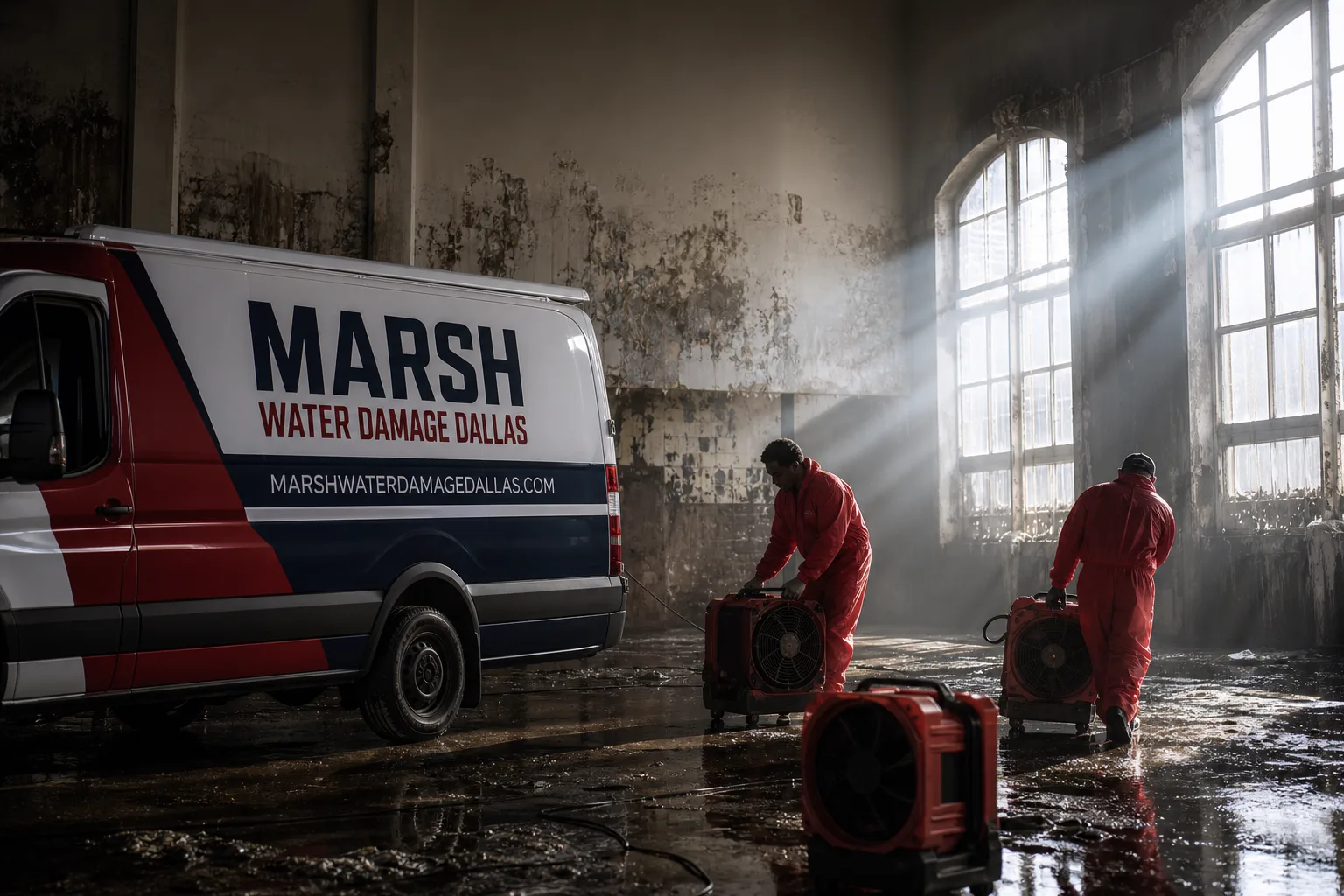
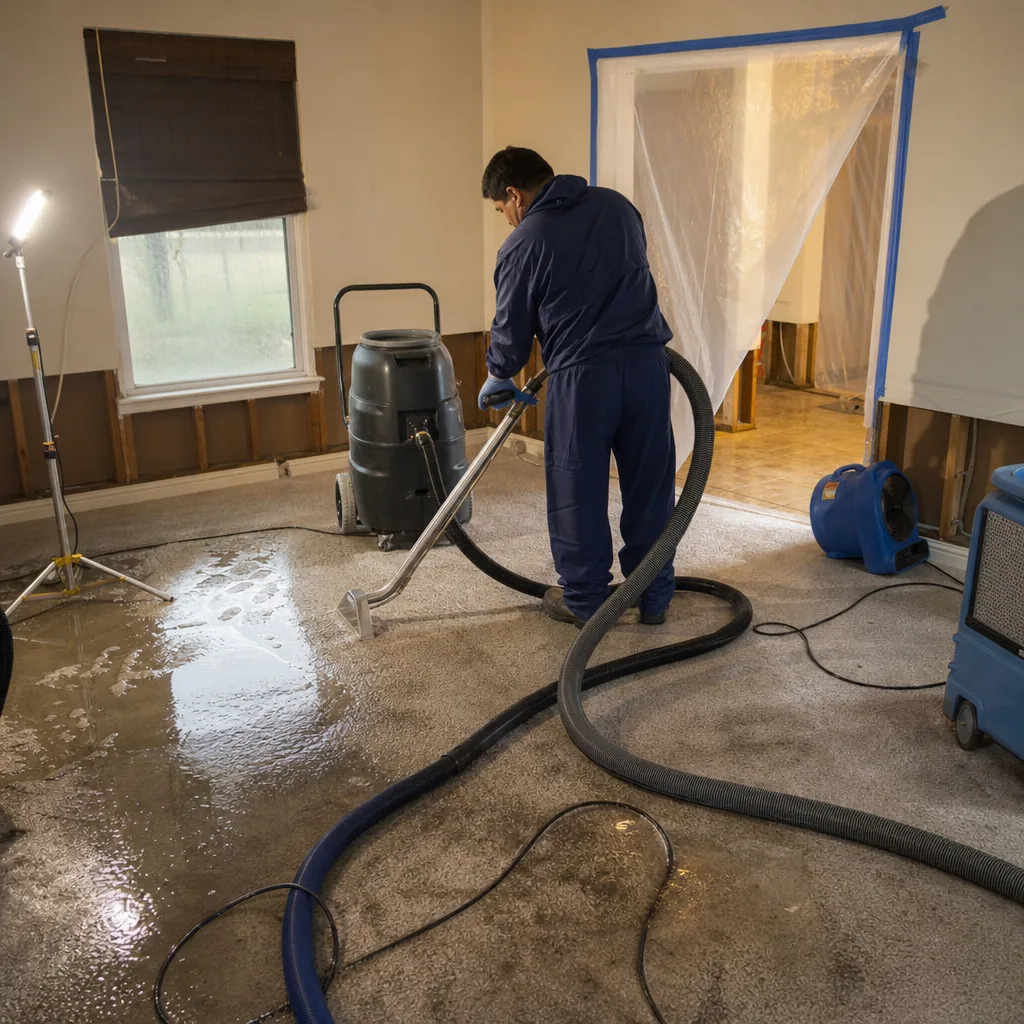
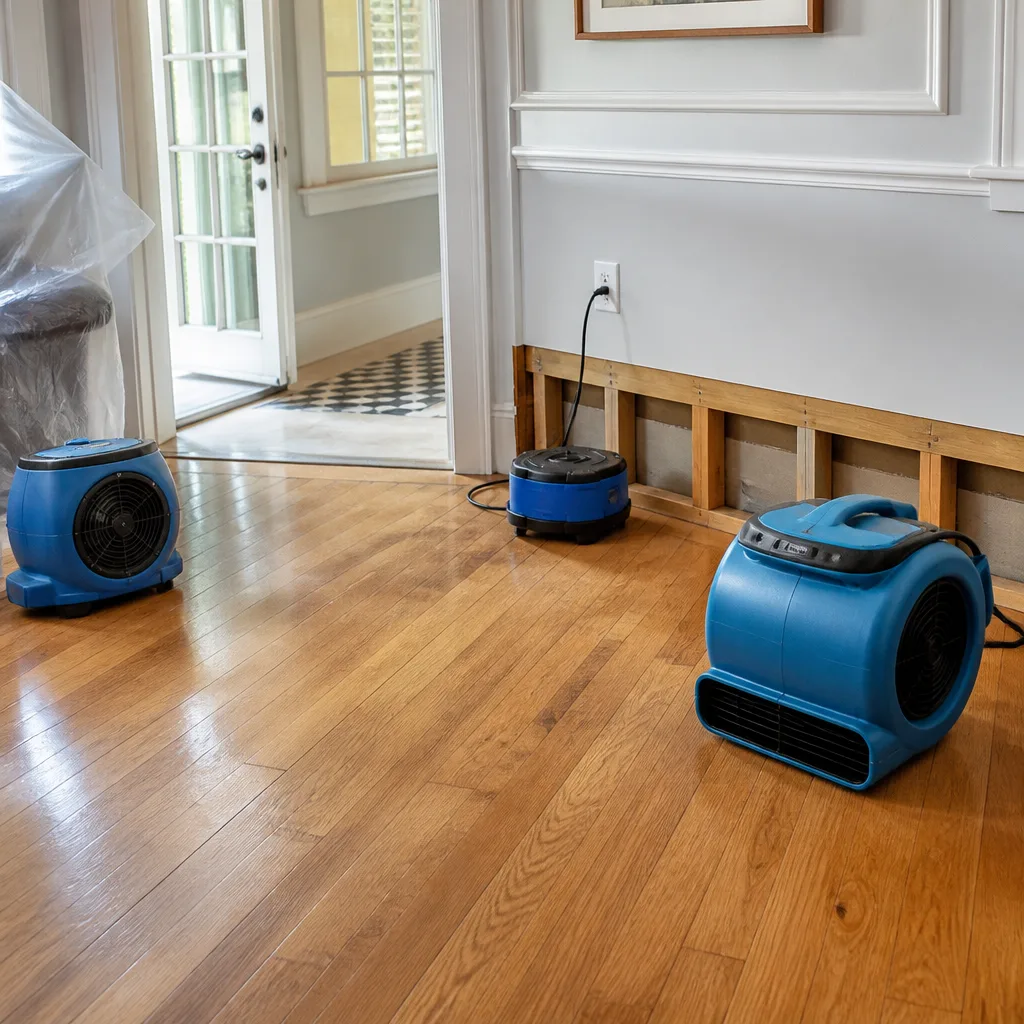
 Water damage drying
 Fire & smoke cleanup
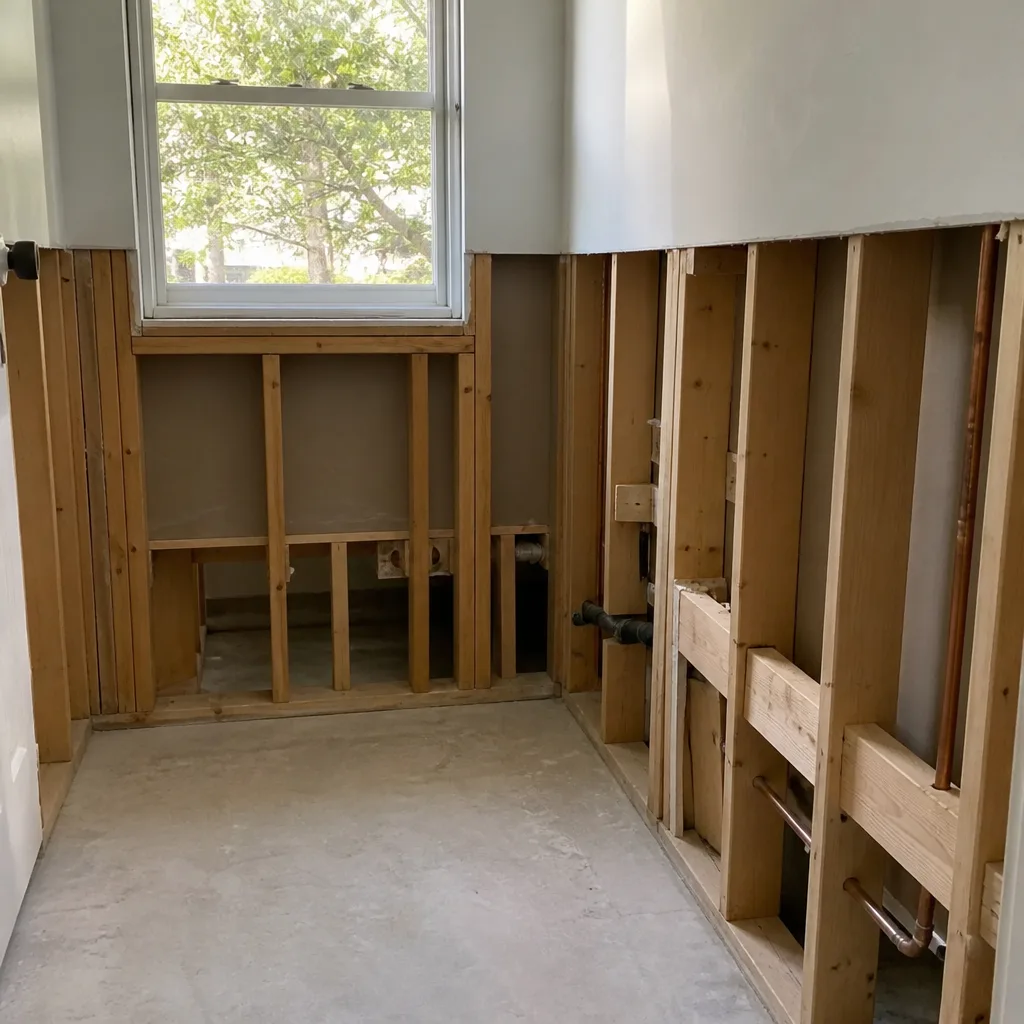 Mold remediation
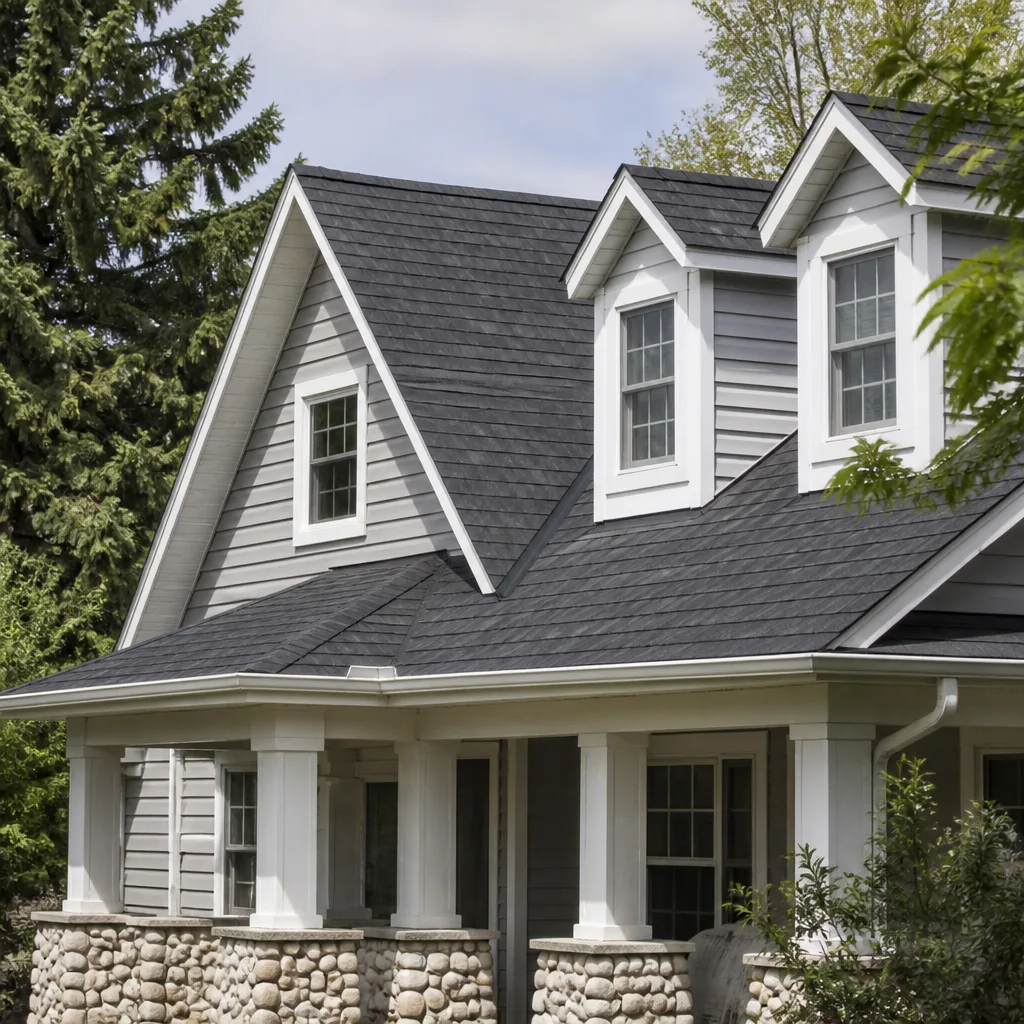 Storm response
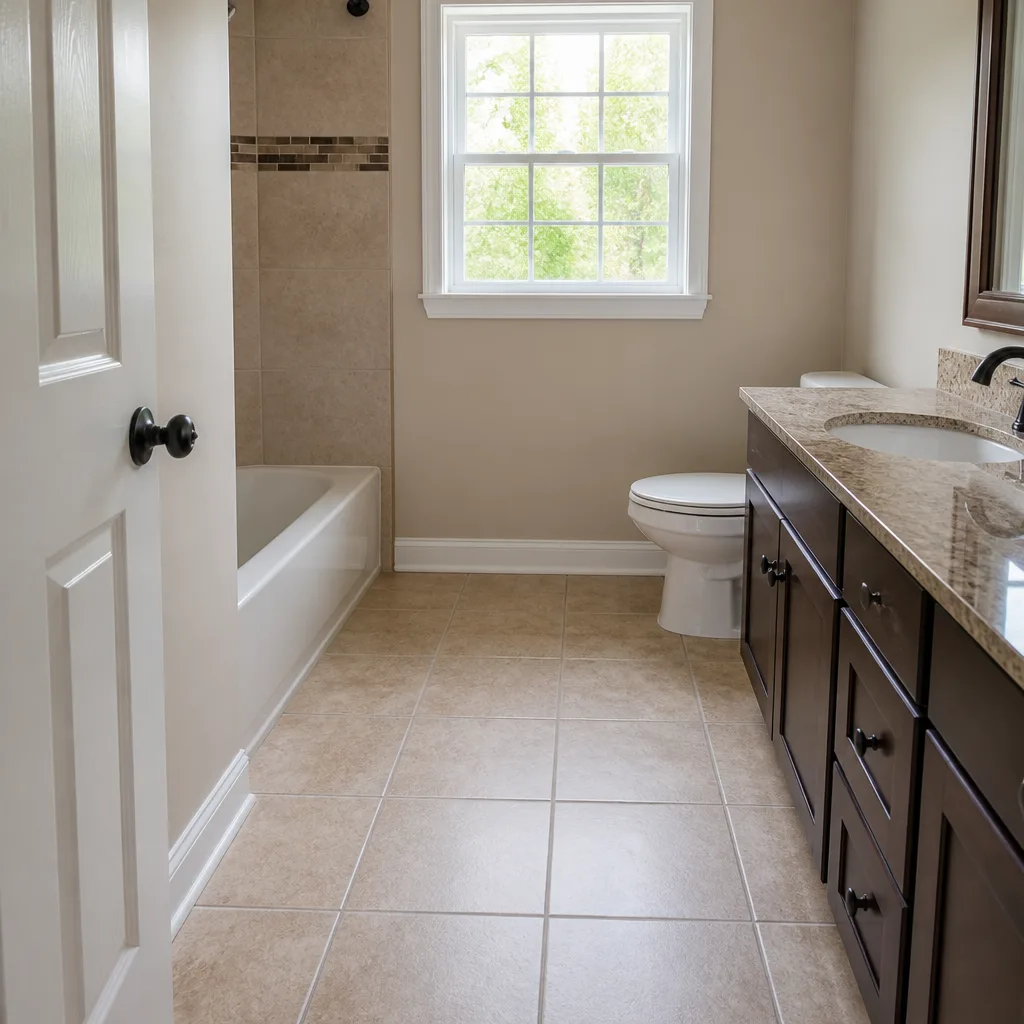 Sewage cleanup
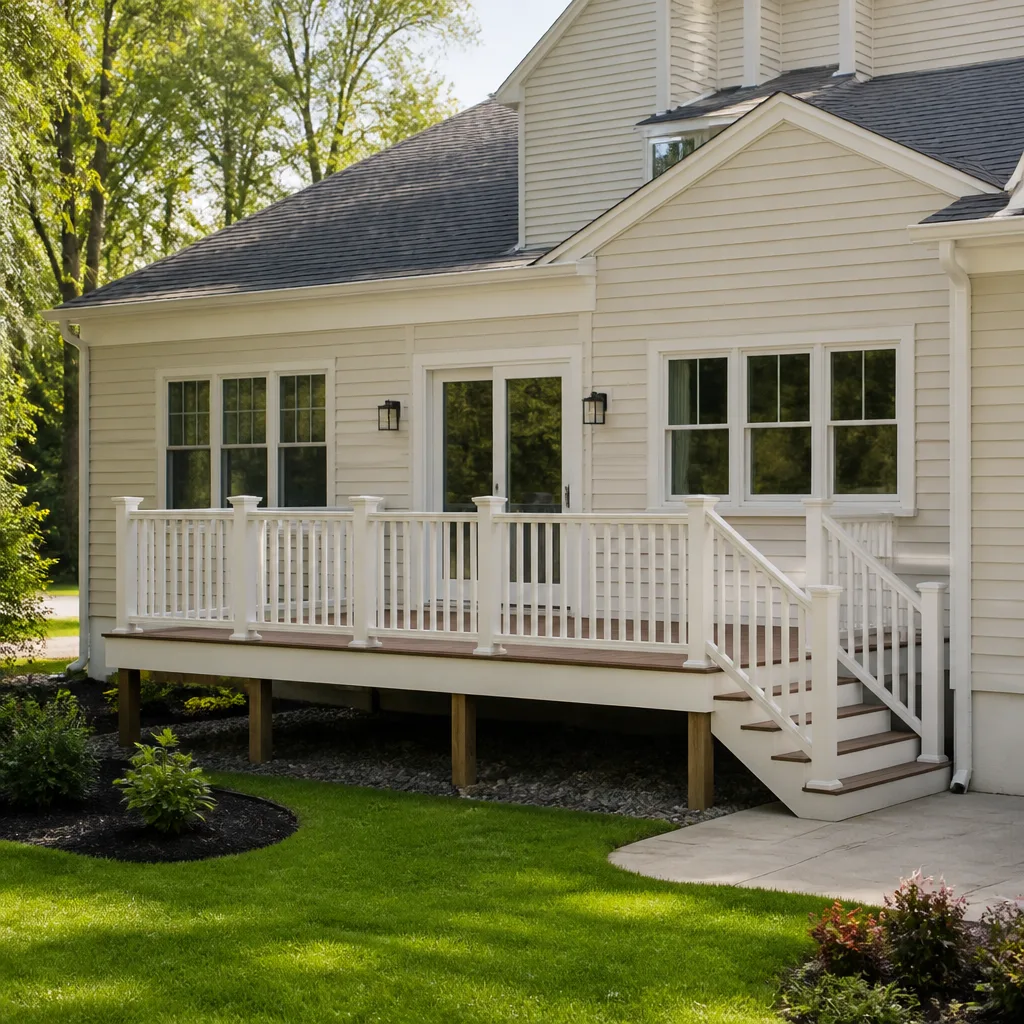 Reconstruction
Free visual inspection and a written scope of work before any mitigation begins - photos, moisture readings, and drying logs go in your claim file
The scope we write is the scope we bill. Anything new gets shown to you, in writing, before we touch it.
Get your free estimateRestoration work we handle
See the difference
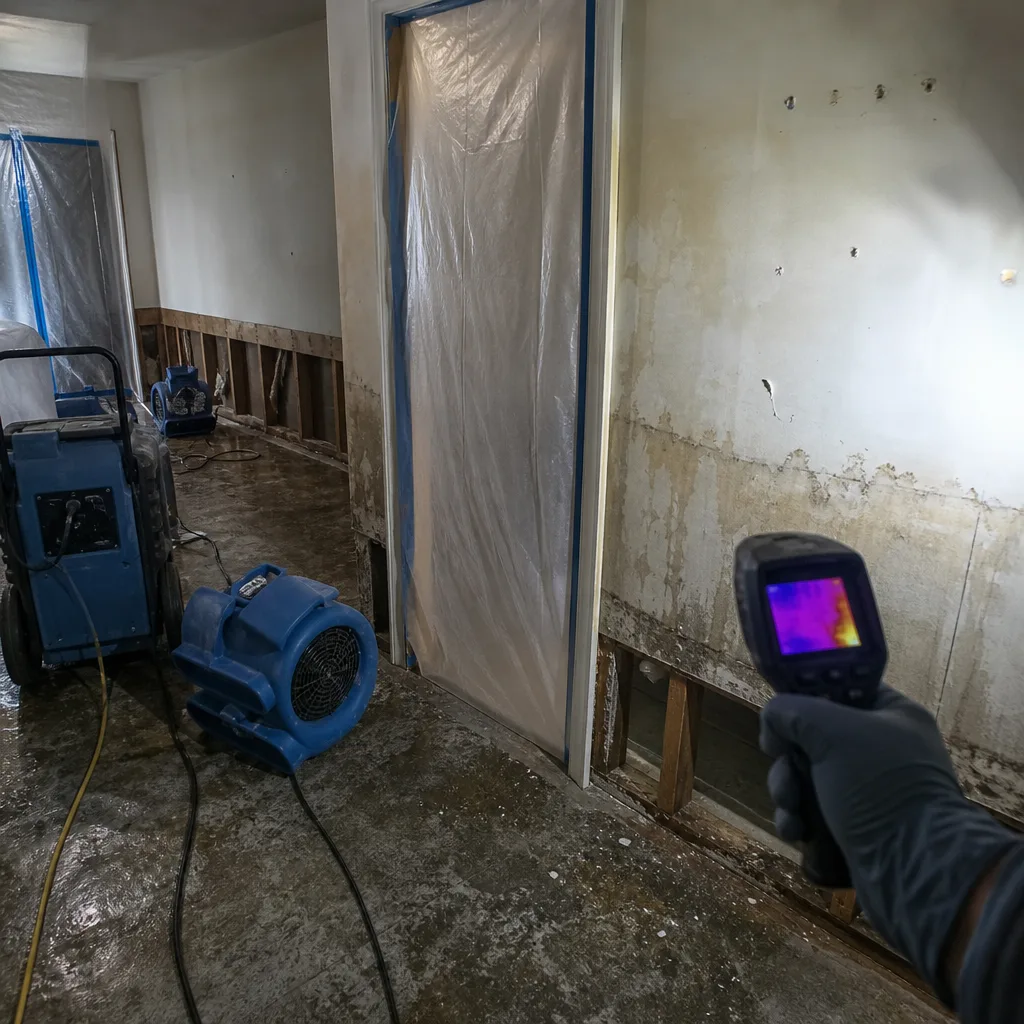 Before
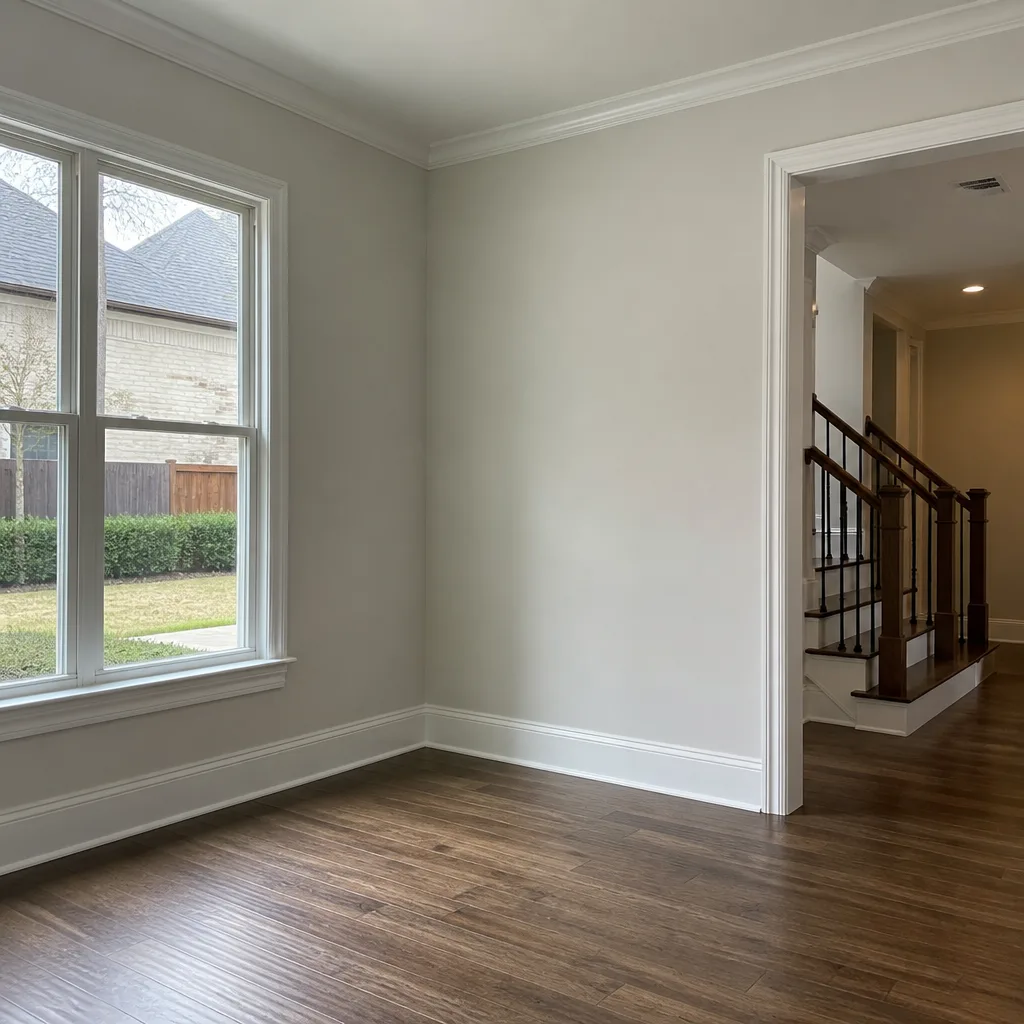 After
After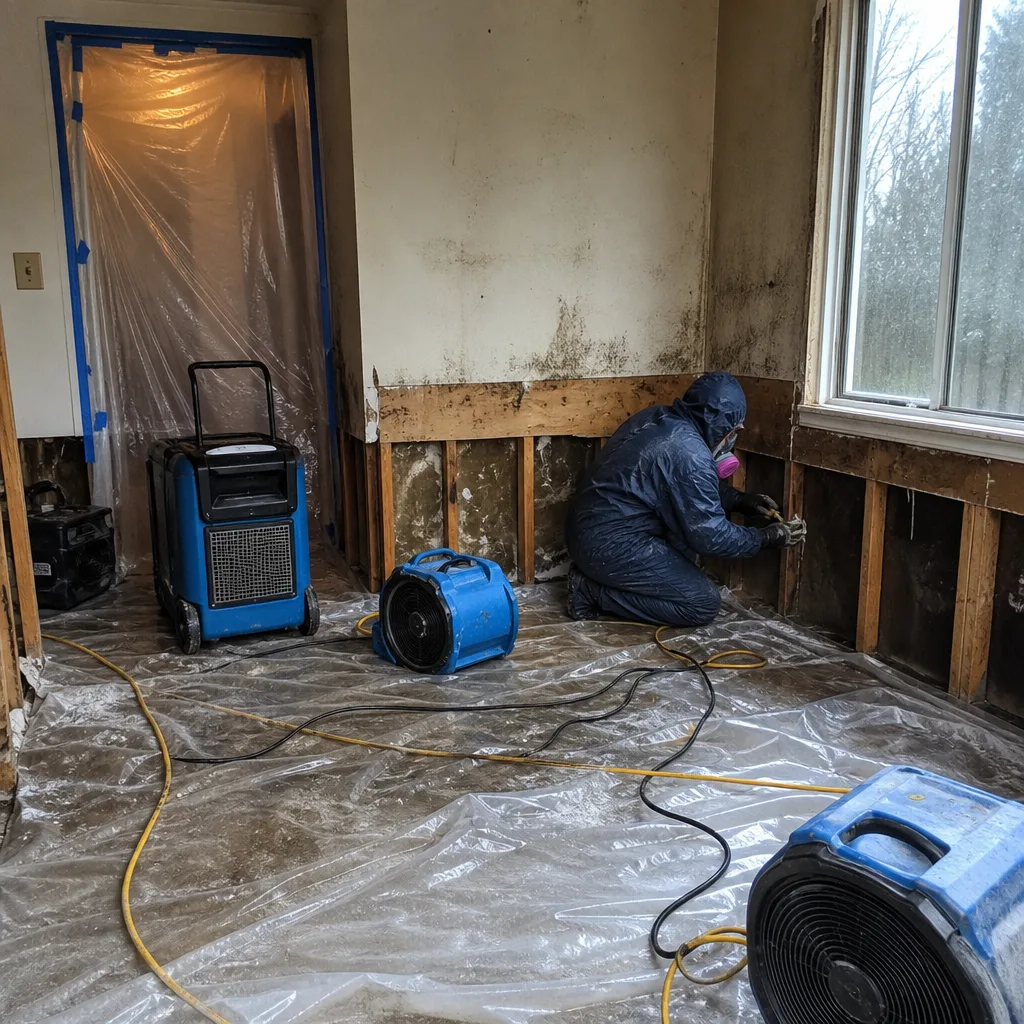 Before
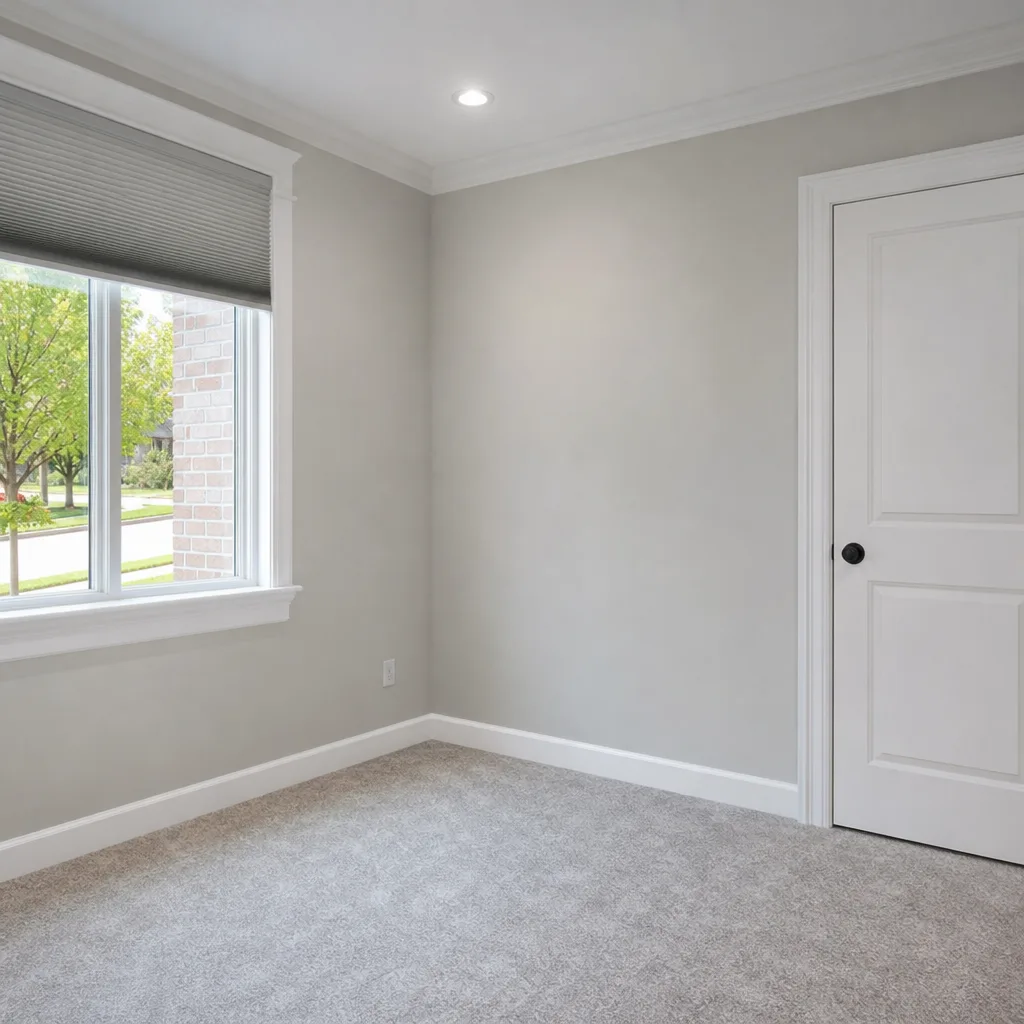 After
After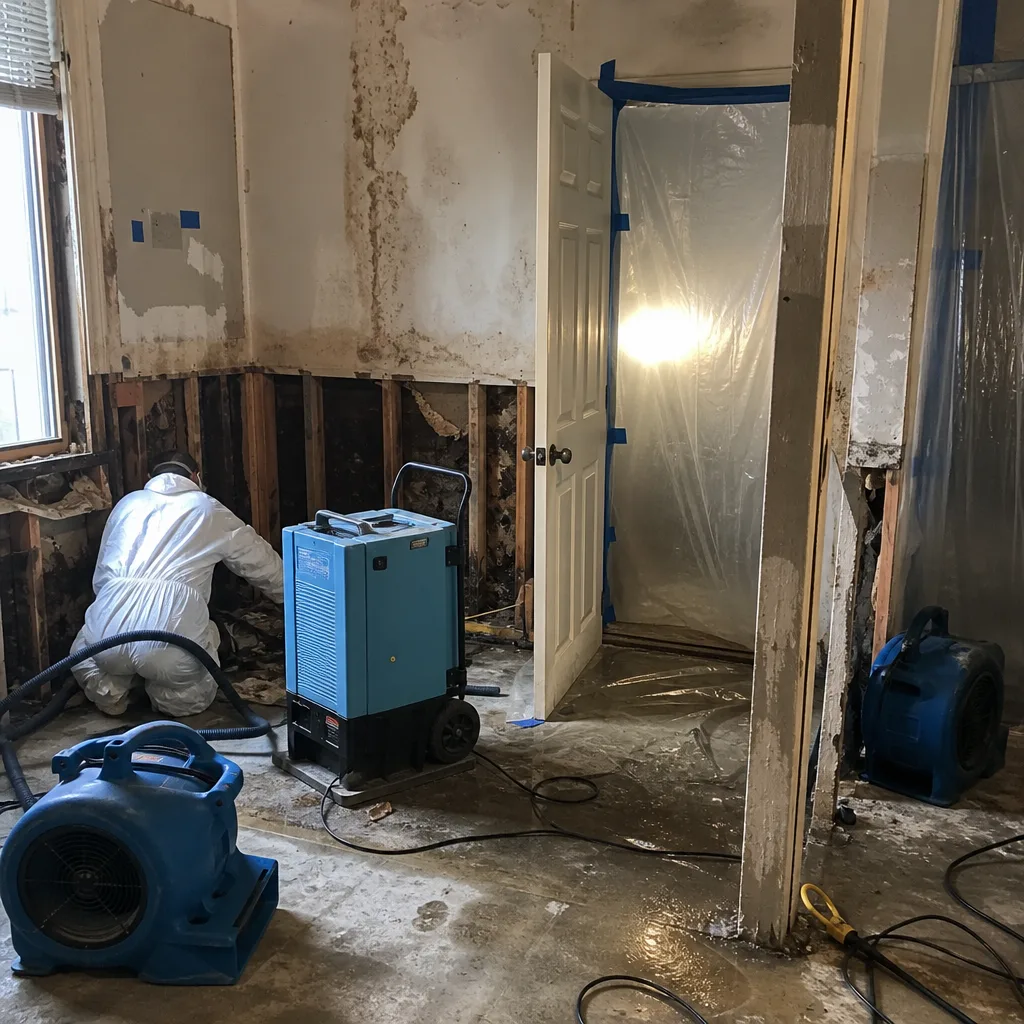 Before
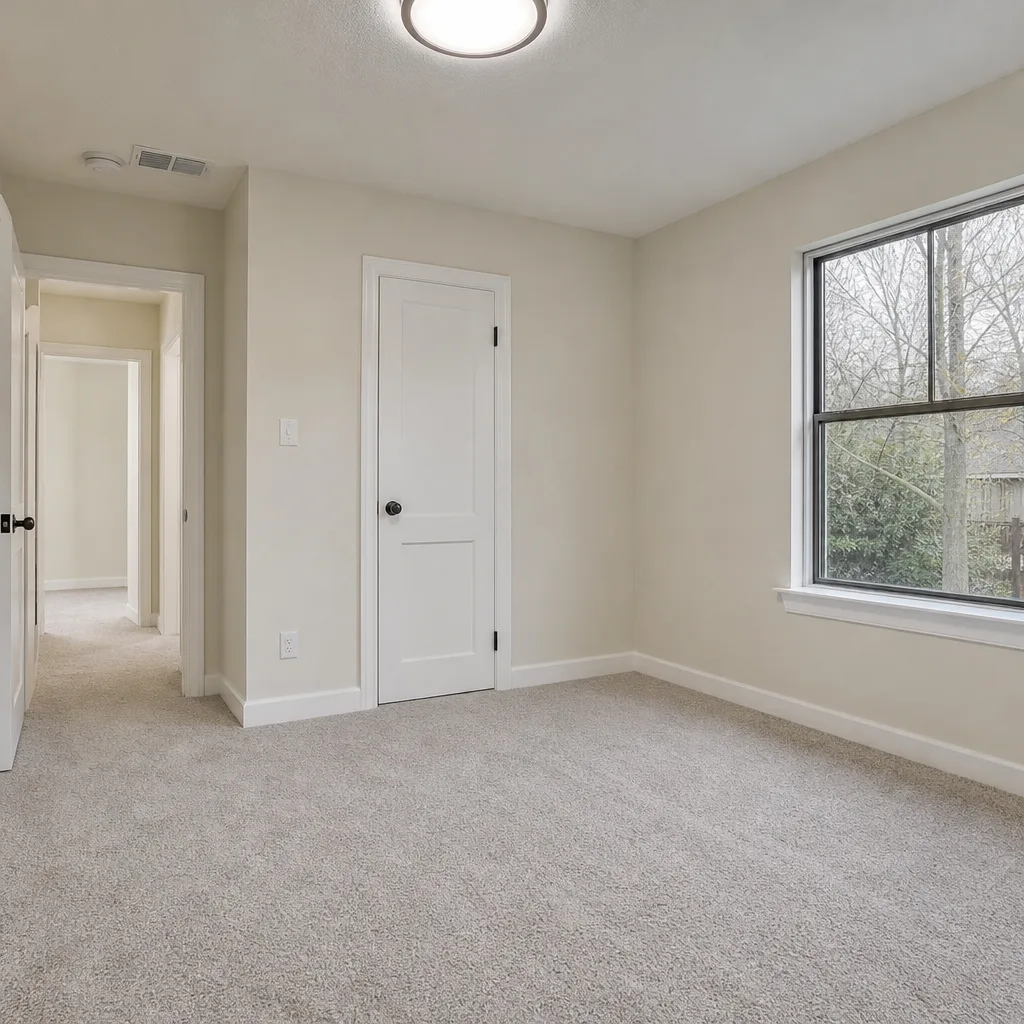 After
AfterHow Much Does Damage Restoration Cost in Dallas?
Most Dallas homeowners pay between $1,800 and $6,500 for water damage restoration, with the typical residential water extraction and dry-out running $2,400 to $4,200 before any rebuild work begins. Mold remediation in Dallas generally runs $1,500 to $6,000 depending on the spread of the colony, and full storm damage restoration with structural repair can reach $15,000 or more on larger homes. These are the numbers we quote every day at Marsh Water Damage Dallas, and we put them in writing before a single piece of equipment comes off the truck.
What you’ll actually pay depends on three things: how much water got in, how long it sat, and what it touched. Water that hits clean drywall in a powder bath is a far smaller job than water that sat for three days in a carpeted upstairs hallway, which is a far smaller job than a roof breach that soaked through two stories into a kitchen ceiling. The cost table below breaks it down by job type so you can see where your situation likely falls.
Damage Restoration Cost Breakdown (2026)
| Service | Typical Dallas Price Range | What’s Included |
|---|---|---|
| Water extraction (single room) | $500 – $1,500 | Standing water removal, initial moisture assessment, equipment setup |
| Structural drying (3 – 5 days) | $1,200 – $3,500 | Air movers, dehumidifiers, daily moisture monitoring, psychrometric readings |
| Full water damage restoration (multi-room) | $3,000 – $8,000 | Extraction, drying, demo of unsalvageable material, antimicrobial treatment, minor rebuild |
| Mold remediation (contained area, under 30 sq ft) | $1,500 – $3,000 | Containment, HEPA air scrubber, removal of affected material, treatment, clearance testing |
| Mold remediation (spread across multiple rooms or HVAC) | $4,000 – $10,000+ | Full containment, negative air pressure, drywall and flooring removal, HVAC cleaning, post-remediation verification |
| Storm damage restoration (roof leak through interior) | $2,500 – $15,000+ | Water extraction, structural drying, ceiling and drywall repair, paint, flooring replacement as needed |
| Sewage backup cleanup | $3,000 – $12,000 | Contaminated water removal, disposal of affected porous materials, full disinfection, drying |
These ranges reflect what we’ve seen across Dallas neighborhoods in 2026, from Lakewood bungalows to Preston Hollow two-stories to Rowlett split-levels. The single biggest cost driver is category of water. Clean water from a supply line is cheapest to handle. Grey water from a washing machine overflow costs more because it carries detergent and possible bacteria. Black water from a sewage backup is the most expensive because everything it touches that’s porous – carpet, pad, drywall, insulation – typically gets cut out and disposed of rather than dried. The second-biggest driver is time. Water that’s caught and extracted within an hour leaves a different bill than water that soaked into baseboards and subfloor overnight.
We give a written price before any work starts. Not a range that balloons. Not a verbal ballpark that becomes a surprise. The number on the work order is the number you approve, and it’s the number we stick to unless we discover something behind the drywall that no one could have seen before demo – in which case we stop, show you what we found, and get your written approval before proceeding. That’s the way Marsh Water Damage Dallas has operated since 2005, and the 365-Day Done Right Promise is printed on every work order we hand out.
What Affects Damage Restoration Pricing in Dallas
- How long the water sat before extraction started. A slab leak caught the same day is an extraction-and-dry job, often under $2,500. That same leak left for four days becomes a demo-and-rebuild job, often over $6,000. The difference is what the water had time to touch. In Dallas summers, when indoor temperatures climb past 85°F in an unoccupied house, microbial growth starts within 48 hours, which means porous materials that would have been dryable on day one are cut-and-replace by day three.
- Category of water. Clean water (Category 1) from a busted supply line is the cheapest to mitigate. Grey water (Category 2) from a dishwasher overflow or washing machine leak costs more because of detergent, food particles, and bacteria. Black water (Category 3) from sewage or floodwater is the most expensive: we’re cutting out drywall, pulling carpet and pad, and doing full antimicrobial disinfection before drying even begins.
- What got wet. Wet tile on a slab foundation is a mop-and-air-mover job. Wet hardwood in a pier-and-beam house, common in East Dallas and Oak Cliff, means pulling boards, drying the crawlspace, and often replacing the floor entirely. Wet drywall always gets cut at least to the water line. Wet insulation in walls comes out. The material matters as much as the water.
- Access and layout. A water heater in an attached garage with a floor drain is a straightforward job. A water heater in an attic with no walkway, or a leak behind a tiled shower on a second floor, adds labor hours. Dallas homes built before 1980 often have plaster walls instead of drywall, which dries more slowly and costs more to cut and patch.
- Mold presence and spread. If visible mold has already appeared, or if moisture mapping shows elevated moisture behind walls, the job shifts from water damage restoration to mold remediation, which requires containment, negative air pressure, HEPA air scrubbers, and licensed remediation protocols. That adds $1,500 to $4,000 or more to the job, depending on the square footage affected.
- HVAC involvement. Water that enters a return air vent or soaks through a ceiling into the ductwork means the system may need cleaning or replacement. In Dallas, where AC runs six months out of the year, a wet HVAC system can push a $3,000 water job into a $7,000 job by the time the ducts are handled and the air handler is inspected.
Dallas Neighborhood Cost Realities
We work all over the metroplex, and we see patterns. In older neighborhoods like Casa View, Lake Highlands, and parts of Garland, pier-and-beam foundations mean water that hits the floor ends up in the crawlspace, extending drying time and adding a day or two of equipment rental. In newer construction like Frisco, McKinney, and Little Elm, the challenges shift to cheap builder-grade drywall that wicks water quickly and falls apart fast, plus second-floor laundry rooms where a failed hose floods the ceiling below. In slab-on-grade neighborhoods across Plano, Richardson, and Carrollton, the biggest cost factor is often what’s hiding behind the walls: water travels along the top plate and down the studs, which means we’re cutting more drywall than the visible stain suggests.
The Dallas climate plays a role too. Our humidity in spring and fall – when the dew point sits in the 60s – slows natural evaporation, which means drying equipment runs longer and the bill reflects that. In winter, when cold snaps and freeze-thaw cycles burst exterior pipes, we see a wave of simultaneous calls across North Texas, and response speed matters. A frozen pipe that thaws and floods a Dallas home on a Tuesday night during an ice storm is a different job than a slab leak on a quiet Saturday. We answer the phone 24/7 with a live person, not a voicemail tree, because we know the clock starts running the minute you discover the water.
Is It Cheaper to Repair or Replace After Water Damage?
For drywall, trim, and baseboards, repair is almost always cheaper, generally $400 to $1,200 per affected room in Dallas. For carpet and pad that absorbed Category 2 or Category 3 water, replacement is usually cheaper and safer: a full bedroom of new carpet runs $800 to $1,500, while repeated drying attempts, pad replacement, and delamination repair can cost more than that and still leave you with a compromised floor. For hardwood, the answer depends on how long the wood sat wet. Cupped boards caught within 24 to 48 hours can often be saved with drying and sanding, which costs less than replacement at roughly $15 to $30 per square foot in the Dallas market. Boards that sat wet for a week or absorbed sewage water get replaced, not salvaged.
If you want a direct answer for your situation rather than a general one, call (432) 529-4284. We’ll give you an honest read over the phone, and if we need to see it, the estimate is free.
Should You File an Insurance Claim for Damage Restoration in Dallas?
Most Dallas homeowners with a standard HO-3 policy are covered for sudden and accidental water damage from burst pipes, water heater failures, or storm-driven roof leaks. The deductible, typically $1,000 to $2,500 for most metroplex policies, is your out-of-pocket floor. If the damage is small enough that the total restoration cost sits near or below your deductible, paying out of pocket often makes more sense than filing a claim, which can affect your premium at renewal. For anything where the restoration cost exceeds your deductible by $1,500 or more, filing usually makes financial sense.
We photograph everything, document every moisture reading, and provide the detailed line-item paperwork insurers expect. We know what Dallas adjusters require and how to document a claim so it doesn’t stall.
How Much Does Mold Remediation Cost in Dallas?
Mold remediation in Dallas runs $1,500 to $3,000 for a contained area of 30 square feet or less – a bathroom ceiling, a closet wall, the space under a sink. Spread across multiple rooms or into an HVAC system, the job typically runs $4,000 to $10,000 or more, because we’re not just wiping surfaces: we’re building containment chambers, running negative air pressure, removing affected drywall and insulation, treating the remaining structure, and verifying clearance with third-party testing. The Dallas market’s humid shoulder seasons mean we see more mold jobs in March through May and again in September through November, when overnight humidity is high and ventilation is low.
A note on the term: mold remediation means removing the mold and the material it feeds on, not just killing surface spores with a spray. That’s the difference between a $500 handyman “mold treatment” that lasts three months and a real remediation that keeps the colony from returning. We’re credentialed through IICRC, RIA, and IFA, and our techs know the difference because they’ve been doing this for years, not days.
How to Save on Damage Restoration in Dallas
The biggest savings come from two words: act fast. A water leak caught in the first hour is a $500 extraction. That same leak after a weekend away is a $5,000 demo-and-dry job. Do these things and you’ll see the difference on the work order:
- Shut off the water at the source or the main. The sooner water stops flowing, the smaller the job. Know where your main shutoff is before you need it, not after.
- Move salvageable items out of the water. Furniture, rugs, boxes – anything porous that’s sitting in standing water. The less that gets wet, the less that gets thrown away.
- Don’t wait to call. Every hour of delay means broader water spread, deeper saturation, and more equipment run-time. Marsh Water Damage Dallas answers the phone 24/7 with a live person. The call takes two minutes and could save you thousands.
- Don’t set box fans on it and hope. A box fan dries the surface and hides the real moisture in the subfloor and baseplates. Six weeks later, you’ve got mold, and now you’re paying for water and mold remediation instead of one clean water job. We use Dri-Eaz, Phoenix, XPOWER, B-Air, and Injectidry equipment to dry the structure, not just the surface.
- Get a written price before work starts. At Marsh, that’s not a tip – it’s how we work. Every job gets a written estimate that covers the full scope. No estimate that balloons after demo starts. You’ll also get our free estimate, so call (432) 529-4284 and you’ll know exactly what you’re walking into before anyone shows up.
How the Restoration Process Works (Step by Step)
Here’s what you can expect when we arrive at your home. We follow this sequence on every job, and we’ll tell you the price at step two before any work begins.
Step 1: Assessment and moisture mapping
We start by finding every place the water went, using moisture meters, thermal imaging, and psychrometric readings (measuring the moisture in the air) to map the damage. We’ll show you what we find and explain what it means in plain English. This assessment is part of the free estimate.
Step 2: Written price and scope
Before any work starts, we put the full scope and a hard price on paper. You read it, you sign it, and that’s the price. If we discover additional damage during the job, we stop, show you, and get written approval before using a single additional hour of labor.
Step 3: Water extraction
Standing water comes out first, using truck-mounted extraction equipment that pulls far more water than a shop vac. If we’re in a slab home in Richardson or Plano, this also means pulling water from baseboards and floor seams that a mop will never reach.
Step 4: Structural drying
We set air movers and dehumidifiers, and monitor daily. Drying takes three to five days in most Dallas homes, and we check moisture levels daily to confirm we’re hitting the target. We don’t pull equipment until psychrometric readings confirm the structure is dry, not just dry on the surface.
Step 5: Antimicrobial treatment and demo (if needed)
We treat affected areas to prevent microbial growth, and if material can’t be salvaged – saturated drywall, compromised insulation, Category 3 carpet – we cut it out and haul it away. In Dallas, we follow local disposal requirements for construction and contaminated material.
Step 6: Rebuild and finish
We replace what was removed, prime and paint, and get your home back to where it was before the water. We’re not done until you walk the job and agree it’s right. And because of our 365-Day Done Right Promise, if something isn’t right within a full year, we make it right – free second visit included, automatically, never something you have to argue for.
Why Marsh Water Damage Dallas Prices Differ from a Handyman
You can find someone on a Dallas neighborhood app who’ll extract water for $300. What that person won’t have is a moisture meter. Most handyman extractions pull the standing water and call it done; the water in the baseplates, the subfloor, and the wall cavities stays put. Six weeks later, the baseboards are black, the tile is popping, and the real remediation bill is twice what the insurance would have paid if the job had been done right the first time.
Our pricing includes industrial drying equipment from Dri-Eaz, Phoenix, XPOWER, B-Air, and Injectidry, the same gear used on large commercial losses. It includes daily monitoring and documentation. It includes a written price before any work starts, a written guarantee on every repair, and the 365-Day Done Right Promise: if the repair is not right within a full year, we make it right. That’s not a sales line. It’s printed on every work order we hand out, dated and time-stamped.
How Much Does Emergency Storm Damage Restoration Cost in Dallas?
Roof leaks, hail damage, and wind-driven rain during Dallas storm season – March through June – bring a flood of calls to us, and the cost to restore a storm-damaged interior usually lands between $2,500 and $8,000 depending on how much of the ceiling, walls, and flooring got saturated. A single failed shingle that lets water into an attic and ruins a section of drywall is on the lower end. Hail that punctures the roof deck and lets water into multiple rooms is on the higher end. Add floor replacement in a big kitchen or living room and you’re looking at $10,000 to $15,000 by the time the dry-in, dry-out, and rebuild are done.
One of the most important things you can do during Dallas storm season: photograph the damage on day one, before temporary repairs, and call us before moisture soaks into structure. We’ll work directly with your insurance adjuster. And if you’re in a situation where the roof is open and rain is still coming, call us at (432) 529-4284 – a live person answers, day or night.
FAQs – Damage Restoration Cost
Does insurance cover water damage restoration in Dallas?
Yes, most Dallas homeowners policies cover sudden and accidental water damage from burst pipes, water heater failures, storm damage, and appliance malfunctions. Gradual leaks that have been seeping for weeks may be denied. Your out-of-pocket is your deductible, typically $1,000 to $2,500 in the metroplex. For a free estimate and help with your insurance claim, call (432) 529-4284.
How much does water extraction cost in Dallas for a single room?
Water extraction for a single room in Dallas, such as a burst supply line under a kitchen sink, typically costs $450 to $1,200 including equipment setup for drying. Natural drying without a professional moisture meter often leaves moisture behind and leads to a mold problem that costs more than the extraction did.
What does a sewer backup cleanup cost in Dallas?
A sewage backup cleanup in Dallas typically costs $3,000 to $12,000 depending on the spread and what material was contaminated. Sewage is Category 3 water, and anything porous it touches – carpet, pad, drywall, insulation – must be cut out and disposed of, not dried. Call (432) 529-4284 for a free estimate.
How much does mold remediation cost per square foot in Dallas?
Mold remediation in Dallas averages $15 to $35 per square foot for contained areas, with the total job often starting around $1,500 for small spots and going up from there. The price includes containment, removal, treatment, and clearance verification, not just wiping surfaces.
Can you fix water damage the same day in Dallas?
Yes, in most cases we can extract standing water and set drying equipment on the same day you call. Marsh Water Damage Dallas has crews on call 24/7, and a live person answers the phone day or night. The earlier we get water out, the less the total restoration costs.
Pricing reflects the Dallas market as of 2026. Marsh Water Damage Dallas offers free estimates – call (432) 529-4284.
Written by Tobias Reyner, Owner at Marsh Water Damage Dallas, serving Dallas since 2005.
What Our Customers Say
"Mold test came back clean after their drying. Peace of mind for us."
- Lydia F."Pipe broke under the sink and soaked the cabinet and floor. They extracted the water, removed the wet flooring, and documented everything for the insurance."
- Judith L."Basement seepage after a storm. They pumped it out, treated for mold spores, and installed a dehumidifier for the week. Smell is gone."
- Walter D.