
Last updated October 16, 2026
 Water damage drying
 Fire & smoke cleanup
 Mold remediation
 Storm response
 Sewage cleanup
 Reconstruction
Free visual inspection and a written scope of work before any mitigation begins - photos, moisture readings, and drying logs go in your claim file
The scope we write is the scope we bill. Anything new gets shown to you, in writing, before we touch it.
Get your free estimateSeasonal Damage Restoration Care for Dallas: Year-Round Homeowner’s Guide
The February 2021 freeze caused an estimated $200 billion in Texas property damage, much of it concentrated in North Texas. But here’s what surprised restoration crews working Dallas neighborhoods in the weeks after: many of the worst pipe-burst losses happened in homes that had been correctly winterized for years. The problem wasn’t neglect. It was soil. Dallas sits on expansive clay that shifts constantly, and that movement had quietly stressed supply lines in ways no faucet cover could prevent. This guide walks through the four seasons of Dallas water risk, what actually protects a home here versus generic cold-climate advice, and the specific habits that catch problems before they become restoration jobs.
Quick Answer
Dallas doesn’t have four equal seasons. It has two high-risk water damage windows: winter freeze events (December through February) and late-spring severe storms (March through May), with a long summer in between that bakes hidden moisture into visible damage by fall. Seasonal care here means hardening your home before each window, using summer as a diagnostic season, and maintaining a quarterly photo walk-through so you have timestamped records when insurance gets involved.
Restoration work we handle
Table of Contents
- Winter Freeze Prep That Works in Dallas Clay Soil
- Spring Hail and Storm Assessment: The March-May Tornado Micro-Season
- Summer’s Hidden Moisture Signals: What Blistering Paint and Musty Vents Tell You
- Fall Pre-Rain Inspection: Why November Is Your Last Low-Risk Window
- The 10-Minute Quarterly Walk-Through: Your Insurance File Habit
- Common Mistakes to Avoid
- When to Call a Professional
- Frequently Asked Questions
Winter Freeze Prep That Works in Dallas Clay Soil
Most winterization advice written for northern homes misses what actually fails in Dallas. We’re not dealing with six feet of frost. We’re dealing with two specific vulnerabilities: shallow-buried pipes and soil movement.
Dallas building codes allow water supply lines to be buried shallower than in Minnesota or Michigan, because the region historically saw fewer deep freeze days. That was a reasonable calculation for decades. It is less reasonable now, as winter storm frequency has increased.
The bigger issue is the soil itself. Dallas sits on the Eagle Ford Shale and Taylor Marl formations, both of which contain expansive clay. This clay swells when wet and shrinks when dry. Over years of wet-dry cycles, the ground under a slab foundation can shift enough to put new tension on copper and PVC supply lines, especially where they enter the slab. A pipe that withstood a freeze in 2018 may have been micro-stressed by soil movement since then.
Here’s what matters for Dallas homeowners specifically:
- Cover outdoor faucets, but don’t stop there. Faucet covers help, but the failure point is often the 12-18 inches of pipe between the ground and the faucet, where soil expansion has already stressed the connection.
- Inspect the point where supply lines enter the slab. Walk the exterior perimeter and look for the copper or PEX lines coming out of the foundation. Cracks in the surrounding concrete or visible rust on copper fittings are signs of stress. If you see a gap between the pipe and the slab edge, caulk it before February.
- Know where your main shutoff is and test it twice a year. In a freeze event, the difference between a burst pipe and a flooded room is the time it takes to turn the water off. In many Dallas homes, the street-side shutoff requires a special tool. Buy one in October, not during the freeze.
- Drip interior faucets on exterior walls. A trickle of water through a pipe reduces freeze risk, but only if the water is moving through the vulnerable section. Run both hot and cold lines at a pencil-thin stream.
- Open cabinet doors under kitchen and bath sinks. This lets heated interior air reach pipes that are otherwise insulated against it by the cabinetry.
One more Dallas-specific note: homes with pier-and-beam foundations, common in older East Dallas and Oak Cliff neighborhoods, have crawl space pipes that are directly exposed to ambient air. If your home sits on piers, check the crawl space access panel before winter and make sure it’s sealed, and consider adding pipe insulation to any exposed copper or CPVC runs. We’ve seen crawl space pipe bursts cause $15,000-$25,000 in damage before homeowners even noticed the water running.
Our Water Damage Restoration in Dallas page covers what emergency response looks like if a pipe does let go, but the goal here is preventing that call.
Spring Hail and Storm Assessment: The March-May Tornado Micro-Season
Dallas has a tornado season, and it is not theoretical. The National Weather Service’s Fort Worth office records an average of 15-20 tornadoes per year across the Dallas-Fort Worth metro area, with the highest concentration from March through May. Severe thunderstorm warnings with hail are even more common, and hail is the single most common cause of roof damage claims in North Texas.
The danger pattern is specific: storm systems move through in lines, often at night, and homeowners wake up to find shingle granules in their gutters, dents on the AC condenser, and water stains on ceilings they never noticed before. The damage from hail is rarely a single dramatic event. It’s a weakening of the roof’s protective surface that then allows water ingress over the following weeks.
Here’s how we recommend homeowners in Dallas approach post-storm assessment, in order:
- Do a visual roof check from the ground with binoculars. You’re looking for missing or shifted shingles, exposed underlayment, or any area where the roofline looks different from before the storm. Don’t get on a ladder after a storm unless you’re confident and have someone spotting you.
- Walk the gutter line. Hail that is large enough to damage a roof often leaves evidence at the gutter downspouts: asphalt granules, small shingle pieces, or dents on the metal gutter itself. A pile of granules at a downspout is a signal that the roof above it shed surface material.
- Check window seals and exterior door frames. Hail can crack caulking around window frames and door thresholds, creating water entry points that don’t reveal themselves until the next rain. Run a finger along the exterior caulk lines; if it’s brittle or cracked, it’s time to re-caulk.
- Inspect attic spaces after the next rain. This is the single most valuable post-storm check we can recommend, and almost nobody does it. After any spring storm with hail, wait for the next rain, then go into your attic with a flashlight when it’s raining and look for any water entering at the roof deck or around vents and chimneys.
- Document everything before you call insurance. Take photos from the ground, photos of the gutters, photos of anything you can reach without risk. The adjuster will want evidence, and a dated photo file is far more persuasive than a written description.
The window between a hail event and the next storm is often only days in Dallas. That’s why the post-storm assessment needs to happen immediately, not “when you get around to it.” A roof that survived hail but lost surface granules may still keep water out for a few weeks, until the next heavy rain reveals the compromised spots. At that point, the interior water damage is already happening.
For storm-related water intrusion, our Storm Damage Restoration in Dallas page details what emergency extraction and structural drying looks like, and what you can expect from start to finish.
Summer’s Hidden Moisture Signals: What Blistering Paint and Musty Vents Tell You
July and August in Dallas are not high-risk months for new water damage in the way February and April are. There are no freezes. There are few severe storms. What summer does, however, is reveal problems that started months earlier and have been quietly developing behind walls, under floors, and inside HVAC systems.
Dallas summers routinely hit 100°F for weeks at a time, with humidity that makes interiors feel punishing. That heat and humidity combination accelerates three diagnostic signals:
- Blistering or bubbling paint on walls and ceilings. If you see paint lifting in a bubble pattern on an interior wall, especially near the floor or in a room that shares a wall with a bathroom or laundry room, there is almost certainly trapped moisture behind that surface. The heat of summer causes the moisture to expand and push against the paint film. It’s a slower version of what happens when a pot of water boils over.
- Cupped or buckled wood and laminate flooring. Wood expands when it absorbs moisture. In a Dallas summer, interior humidity alone doesn’t usually cause buckling; what causes buckling is a water source that has been feeding the subfloor for weeks or months. A floor that was flat in March and buckled by August is telling you there’s a leak, not just a humid room.
- A musty odor from HVAC registers. Central air conditioning in Dallas runs hard from June through September, and the constant cycling through the evaporator coil creates a lot of condensation. If the condensate drain line is partially clogged or the drain pan is cracked, that moisture gets into the duct system or the air handler cabinet. The smell is usually the first sign, followed by visible mold around the supply registers.
Each of these signals is worth investigating. None of them resolves on its own, and summer’s heat actively worsens all of them by increasing interior vapor pressure. A small roof leak from a spring hail event becomes a visible ceiling stain. A slow drain pan leak becomes a mold colony in the air handler.
From our experience across Dallas neighborhoods, from Richardson to Duncanville to Garland, the summer months are when homeowners call us about problems whose origin they can trace back to the spring storm season. The damage didn’t start in July. It just became impossible to ignore in July.
Fall Pre-Rain Inspection: Why November Is Your Last Low-Risk Window
Dallas’s primary rainy season runs from March through June, with a secondary peak in October and November. By the time December arrives, cold fronts start mixing with moisture, and the risk profile shifts toward freeze damage. That leaves a specific window in November, after the first real cold snap but before the ground has fully dried out, when you can still inspect and address deferred roof, drainage, and exterior sealing work.
November is the right month for three reasons:
- Temperatures are still workable for sealants and roofing materials. Most exterior caulks, roof patching compounds, and masonry sealants require surface temperatures above 50°F to cure properly. In a typical Dallas November, daytime highs still reach the low 60s. By December, the lows near freezing at night create curing problems, even if the afternoon is warm.
- The rainy season has just ended, so you can see the full picture. Any roof leak, drainage failure, or gutter overflow that happened during the spring and summer storms has now revealed itself. You’re assessing revealed damage, not guessing about potential damage.
- There’s time to schedule work before the winter freeze window. Roofing and restoration contractors in Dallas book up in late fall as homeowners scramble to address issues before winter. Starting your inspection in November means you’re ahead of the rush, not part of it.
- Take a photo of the same 10 spots every quarter. These are your diagnostic points: the main water shutoff, the water heater, the AC drain pan and condensate line, the underside of bathroom sinks, the ceiling under any upstairs bathroom, the roofline from two angles, the gutter downspouts on all four corners, the crawl space access if you have one, and the exterior hose bibs.
- Email the photos to yourself with a subject line that includes the date and the quarter. This creates a timestamped record that’s stored off-site, which matters if your phone is ever lost or damaged in the same event you’re claiming for.
- Note any change you see. A crack in the slab that was the width of a pencil in June and the width of a finger in September is worth paying attention to. Photos you take now become the baseline for the next quarter.
- Store HVAC filter replacement dates in the same file. When an adjuster asks when you last changed the air filter, having the answer in the documentation file is worth more than a verbal estimate.
- Treating Dallas winterization like a Northern checklist. Wrapping pipes in foam insulation matters less here than checking the slab entry points, because the failure mode is different. Soil movement, not sustained deep cold, is the greater risk in Dallas.
- Skipping the attic check after a hail event. The roof might look fine from the ground while the underlayment is compromised and water is entering with every rain. The attic check is the only way to know for certain.
- Ignoring musty HVAC smells in summer. That smell is not “humidity.” It’s condensate water pooling where it shouldn’t be, and by September it can turn into mold growth inside the air handler, a $3,000-$6,000 problem that started with a $50 drain line.
- Waiting until December to do exterior sealing work. Caulk and sealants need warm surface temperatures to cure. By the time you notice the drafts and the water stains in January, the weather window for a proper fix has closed.
- Not knowing where your water shutoff is. In a burst pipe emergency, the minutes you spend searching for the shutoff valve are minutes of water flowing through your walls. Know where it is, and test it in the fall.
- Filing an insurance claim before documenting. The insurance company will ask for photos. If you’re filing a claim after you’ve already started cleanup, the adjuster has less to work with and the process takes longer. Document first, then claim.
- Assuming mold dies in winter. It doesn’t. It goes dormant and comes back stronger in spring. Address mold as soon as you see it, regardless of the season.
Walk the perimeter and check for: cracked or peeling caulk around windows and doors, any gaps where the foundation meets the exterior wall, clogged downspouts that overflowed during fall rains, and shingles that look loose or curled after the summer heat. Summer heat can cause shingle curling on roofs that were already compromised, and the first strong winter wind will remove them entirely.
If you find evidence of water intrusion that you can’t explain, or if you see mold growth, don’t wait. Mold colonies that establish themselves during the damp fall months will not die off over winter. They’ll go dormant and then reactivate in the spring when temperatures and humidity rise again. Our Mold Remediation in Dallas page explains how professional remediation actually works, including the containment and drying steps that prevent regrowth.
The 10-Minute Quarterly Walk-Through: Your Insurance File Habit
Insurance claims for water damage succeed or fail on documentation. The homeowners who can produce a dated photo showing what a wall looked like before the leak, what the gutter line looked like before the storm, and what the ceiling looked like before the stain have a faster, smoother claims process. The homeowners who can’t are often fighting the adjuster’s timeline and the insurance company’s default assumptions.
Here’s the habit we recommend: a 10-minute walk-through every quarter, on the same months each year. March, June, September, and December. Do it with your phone, and be systematic.
This habit takes less than an hour per year and creates a documented history of your home’s condition. When you do need to file a claim, you’re not reconstructing the past from memory; you’re providing evidence that was captured before the damage happened.
Common Mistakes to Avoid
When to Call a Professional
Some seasonal care tasks are doable for a careful homeowner: caulking window frames, cleaning gutters, testing the shutoff valve, taking photos. Other situations need equipment and training that aren’t reasonable to expect a homeowner to have. Call a restoration professional when you see water actively entering the home from any source; when you smell mold or see visible growth larger than a dinner plate; when a ceiling stain is expanding, especially after a storm; when flooring is buckling or cupping; or when a freeze event caused a pipe to burst and water has reached walls or flooring. In these situations, time is working against you, and professional drying equipment (air movers, dehumidifiers, and moisture meters) makes the difference between a clean restoration and long-term structural and microbial problems. Marsh Water Damage Dallas offers free estimates in Dallas, call (432) 529-4284, and our team can tell you whether the situation needs professional response or if a careful homeowner can manage it.
Frequently Asked Questions
What is the most common water damage season in Dallas?
The two highest-risk periods are winter freeze events (December through February) and late-spring severe storms (March through May). Winter losses tend to be pipe bursts from shallow-buried supply lines and slab entry points; spring losses tend to be roof and window damage from hail and high winds.
How do I know if my roof was damaged by hail even if it looks fine from the ground?
Check the ground around your downspouts for asphalt granules, look for dents on metal gutters and AC condenser housing, and inspect the attic during the next rain for any water entry around roof penetrations or at the roof deck. A roof can lose surface protection without visible shingle loss.
Can I prevent soil movement from stressing my pipes in Dallas?
You cannot stop clay soil from expanding and contracting, but you can reduce the effect by maintaining consistent moisture levels around the foundation during dry months. Foundation watering is controversial; the more important prevention step is inspecting the point where supply lines enter the slab and monitoring for new cracks or gaps each quarter.
Is the musty smell coming from my AC vents a sign of water damage?
Almost certainly. The smell is caused by condensation that is not draining properly from the HVAC system, often because the condensate drain line is partially clogged or the drain pan is cracked. Over time, that standing water supports mold growth inside the air handler. This is worth professional inspection, especially in Dallas summers when the system runs constantly.
What should I photograph for insurance purposes?
Photograph the same ten diagnostic points every quarter: main shutoff, water heater, AC drain pan, undersides of sinks, ceilings under upstairs bathrooms, roofline from two angles, gutter downspouts at all four corners, crawl space access, and exterior hose bibs. Email the photos to yourself with the date as the subject line so you have an off-site timestamped record.
How fast can someone actually get to my house if I have a burst pipe in Dallas?
Marsh Water Damage Dallas answers calls with a live person 24/7, and a burst pipe is an emergency that warrants immediate response to stop the water flow and begin extraction. The team arrives with commercial-grade drying equipment from Dri-Eaz, Phoenix, and XPOWER, and starts with a written price before any work begins, so you know the scope and cost before equipment goes in. Call (432) 529-4284 and a live person will answer, including holidays.
The Bottom Line
Dallas rewards homeowners who think in seasons and act on the calendar. Winter is for hardening the slab entry points and testing the shutoff. Spring is for post-storm inspection and the attic check. Summer is for reading the diagnostic signals: blistering paint, buckling floors, musty vents. Fall is the window to complete exterior work before the freeze cycle resets. The common thread through all of it is attention: the quarterly photo walk, the note when something changes, the call when something is wrong and you know you cannot fix it alone. Water damage at Marsh Water Damage Dallas home starts on the schedule nature sets. A homeowner who understands that schedule is not surprised by it. That understanding, more than any product or tool, is what prevents restoration jobs before they start.
Written by Tobias Reyner, Owner at Marsh Water Damage Dallas, serving Dallas since 2005.
See the difference
 Before
 After
After Before
 After
After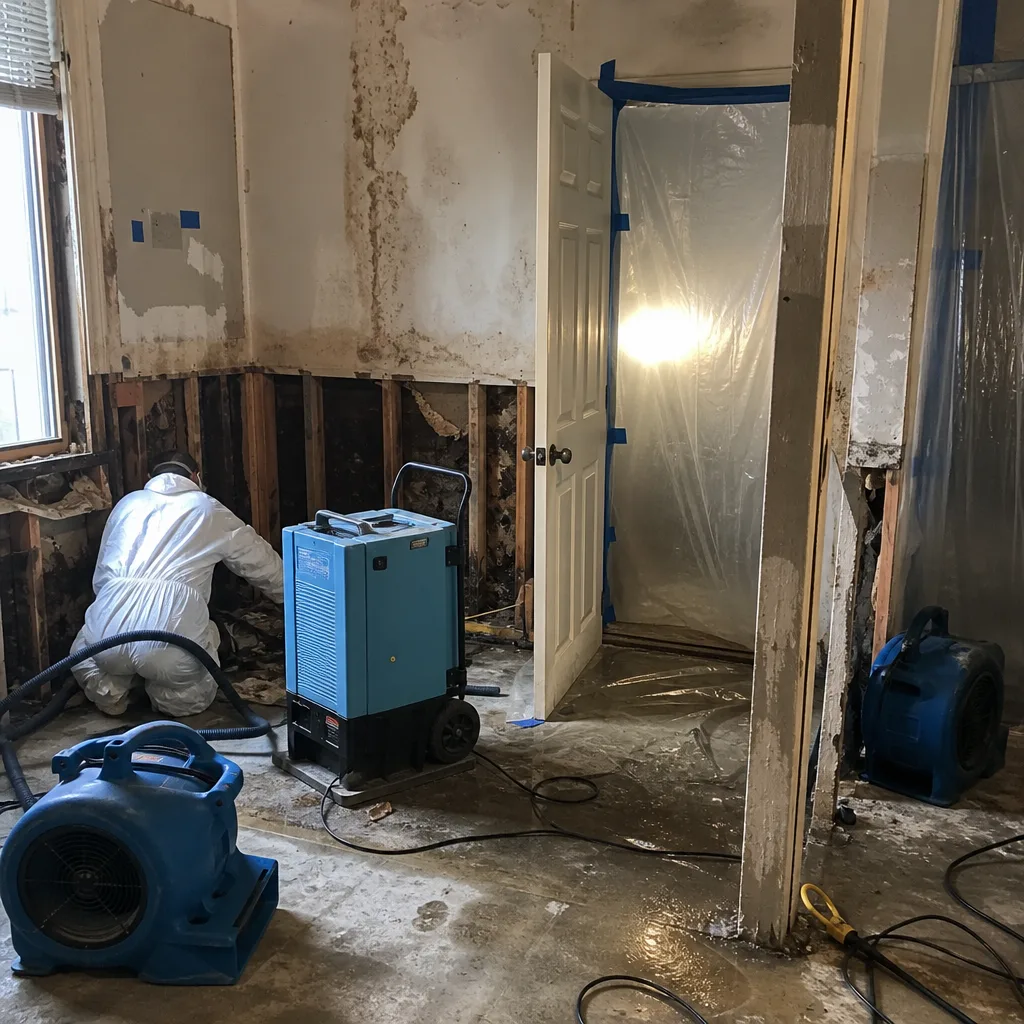 Before
 After
After